
Observations From Florence
An Urbanist Walk In The Capital Of The Renaissance

I’ve had the great joy of spending the last few days in Florence, a city of awe-inspiring beauty. Resisting the indulgence of travel commentary platitudes like ‘walking these streets is more than just retracing the steps of the Renaissance’ or noting how ‘the Gelato really is that good’, there’s not much I can add to the many volumes that have been written on the city’s power, architecture, and impact on the world.
But I think there is something to be said about how Florence can improve certain aspects of itself, while still celebrating what makes it excellent. This is a city that does nothing so well, after all, as reminding one of the power of sustained reinvestment over centuries. The Medicis, Strozzis, and Rucellais wouldn’t accept freezing their city at an arbitrary point of progress, and neither should we.
As I sit in this mercifully air conditioned train heading towards Siena (and editing on a less air conditioned train to Switzerland), I’m thankful to escape the punishing Tuscan heat, and wishing America handled regional land use fractionally as well as Italy. There is, as ever, always more that could be done to build a better world!
The Good
Florence’s historic core of around 2 square miles was designated a World Heritage Site by UNESCO in 1982 (with some subsequent extensions). It is nearly uniformly beautiful. Unlike many American cities, or even other European gems, there are scarcely any structures or vacant lots that diminish the composition. There are a handful (and only a handful) of not-so-attractive buildings like the Black Cube and Palazzo Degli Affari, but because the lots are small and the city is so walkable, they mostly escape notice. Some can even be interesting (if not always compelling) given how discordant they are. Over centuries, the city has methodically improved itself to the point where out of many thousands of structures, a dozen or so (maybe less?) can be singled out as unworthy of the standard. And even these are better than much of what we have in the States. This point can’t be emphasized enough.
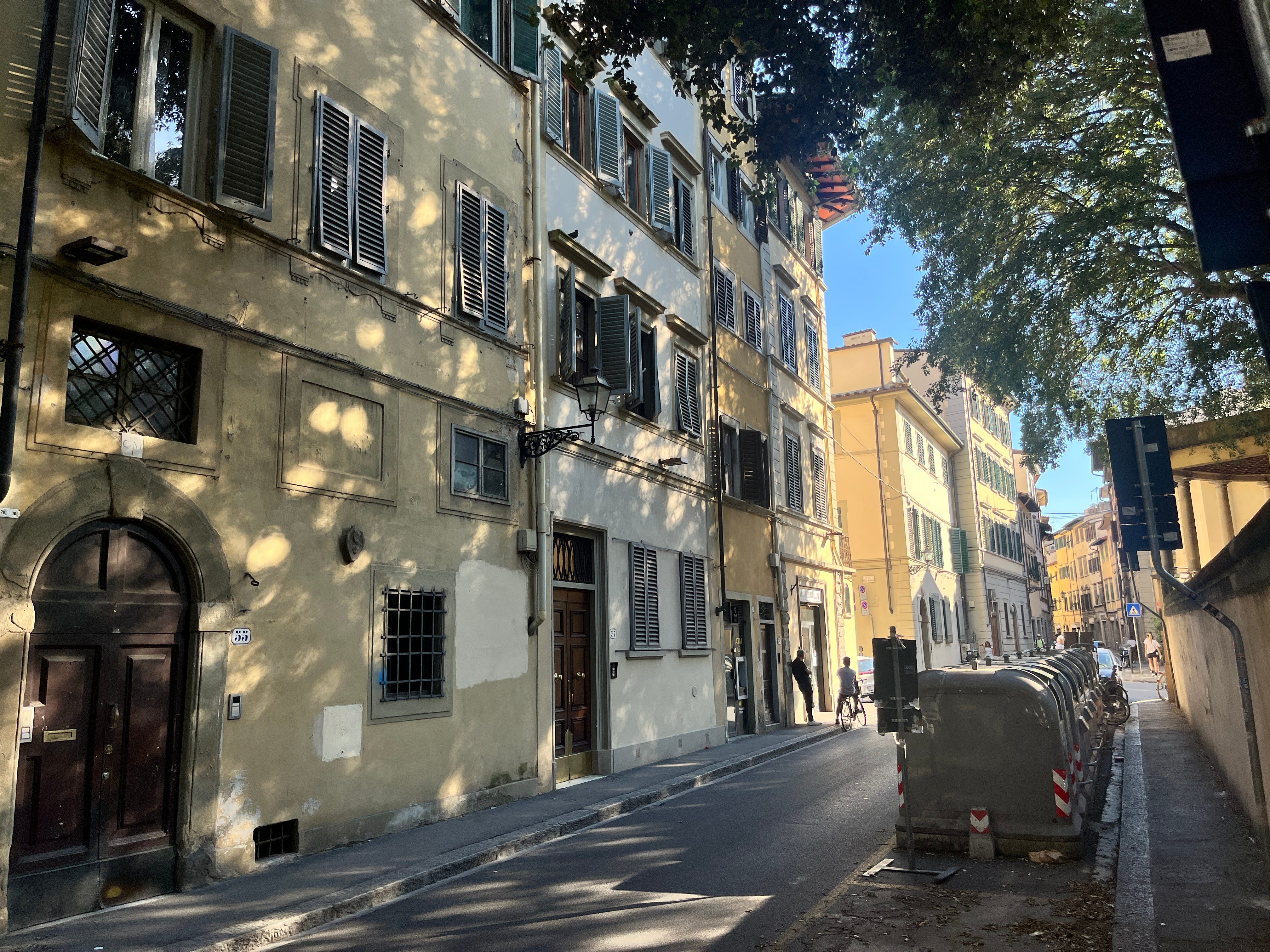
Such concentrated excellence is almost overwhelming to take in. On every corner stands a building that would be a celebrated monument of another city. But here, it’s something one shuffles by. Even the “average” mid-block buildings are excellent, their plainness accentuated by masterfully carved wooden doors, colorful shutters, or deep hanging cornices.


Doors have a special place in my heart, and Florence has caused it to flutter with almost every passage I pass by. Some of the doors are so large they’re rarely opened, holding smaller doors within their volumes. Others are small, with charming wood carving and pops of color. Most are framed, drawing greater attention to themselves, recessed into the structure allowing depth to signify prominence. The carving, knockers, and patina add more delight.


It is, as referenced above, mercilessly hot in the summer here. Arcades and loggias offer some relief from the rays, if not the heat. Seeking them out is both a necessity, and a sort of game as one hunts for them across town.
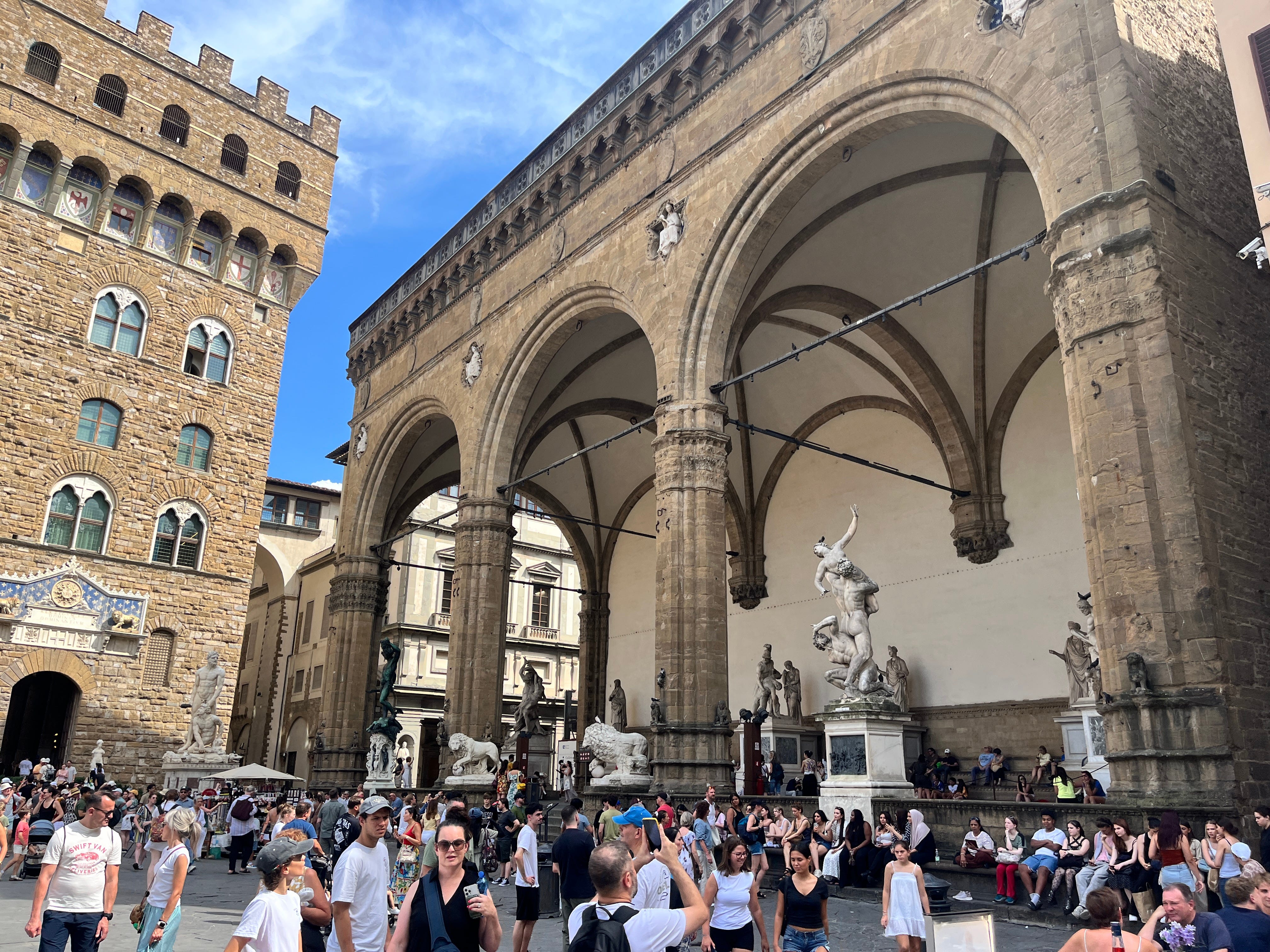
The most famous is the Loggia dei Lanzi. Completed in ~1382 by Benci di Cione and Simone di Francesco Talenti, it is, quite literally, an open air museum. Few buildings have awed me so much in my travels. I’ve spent much time admiring its robust columns, soaring vaults, and deftly executed craftsmanship. What has struck me most finely, however, is that this 650 year old structure is completely open to the elements, and more amazingly, the public, who are invited to sit on its benches at all hours. I can’t imagine such a place, or its constituent parts, surviving long in an American city. During the day, all are welcomed to inspect the statues, some of which are nearly 2 millennia old. “Newer” additions are still half a millennium old. And they are magnificent. Perseus with the Head of Medusa, to single one out, is transfixing.
In sum, a place is created that doesn’t seem quite real, for how could something so graceful ever be shaped by the hand of man? It is, to me, one of history’s great constructions. That it’s bordered by the Uffizi and the Palazzo Vecchio only adds to its credit.
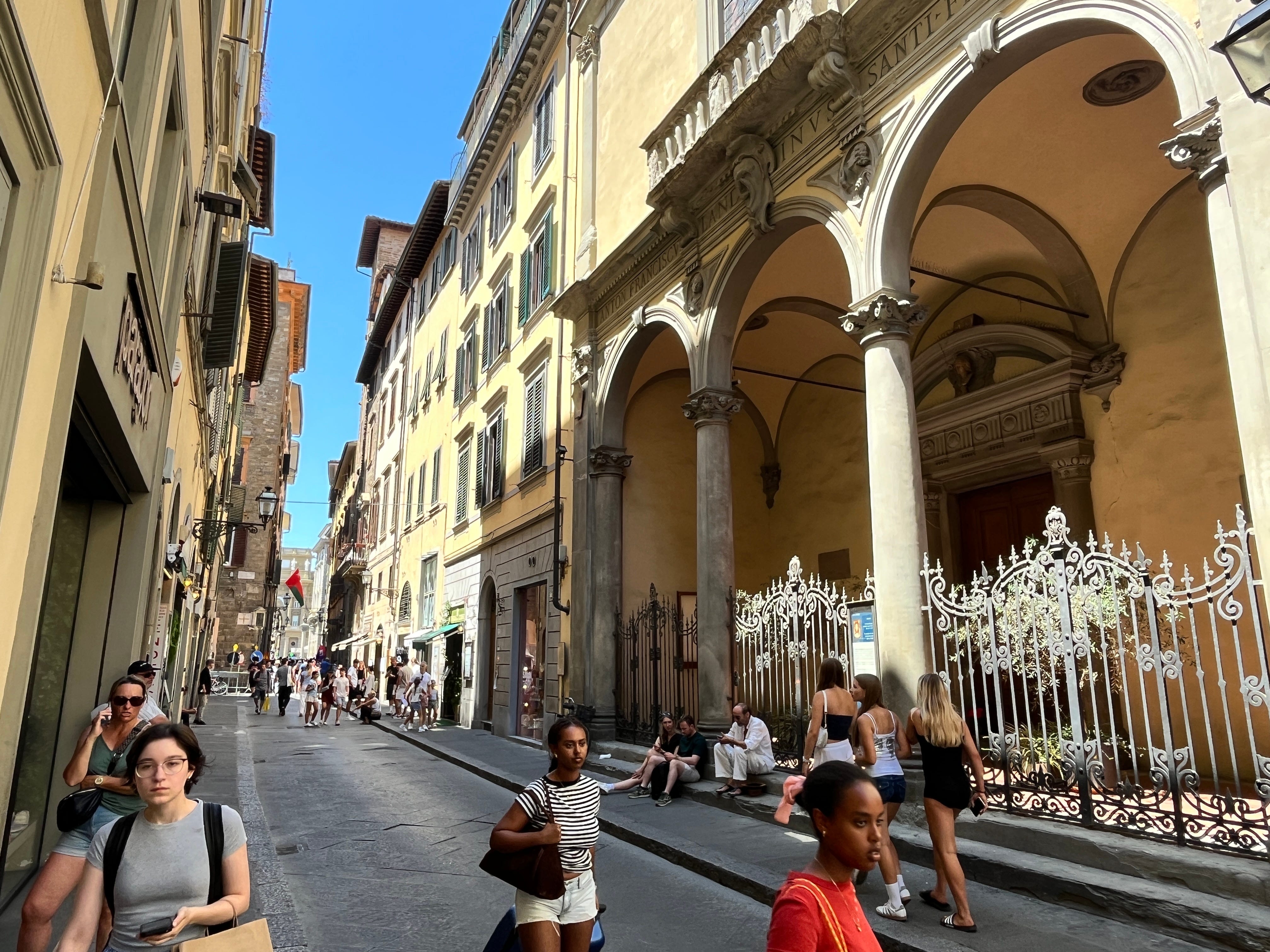
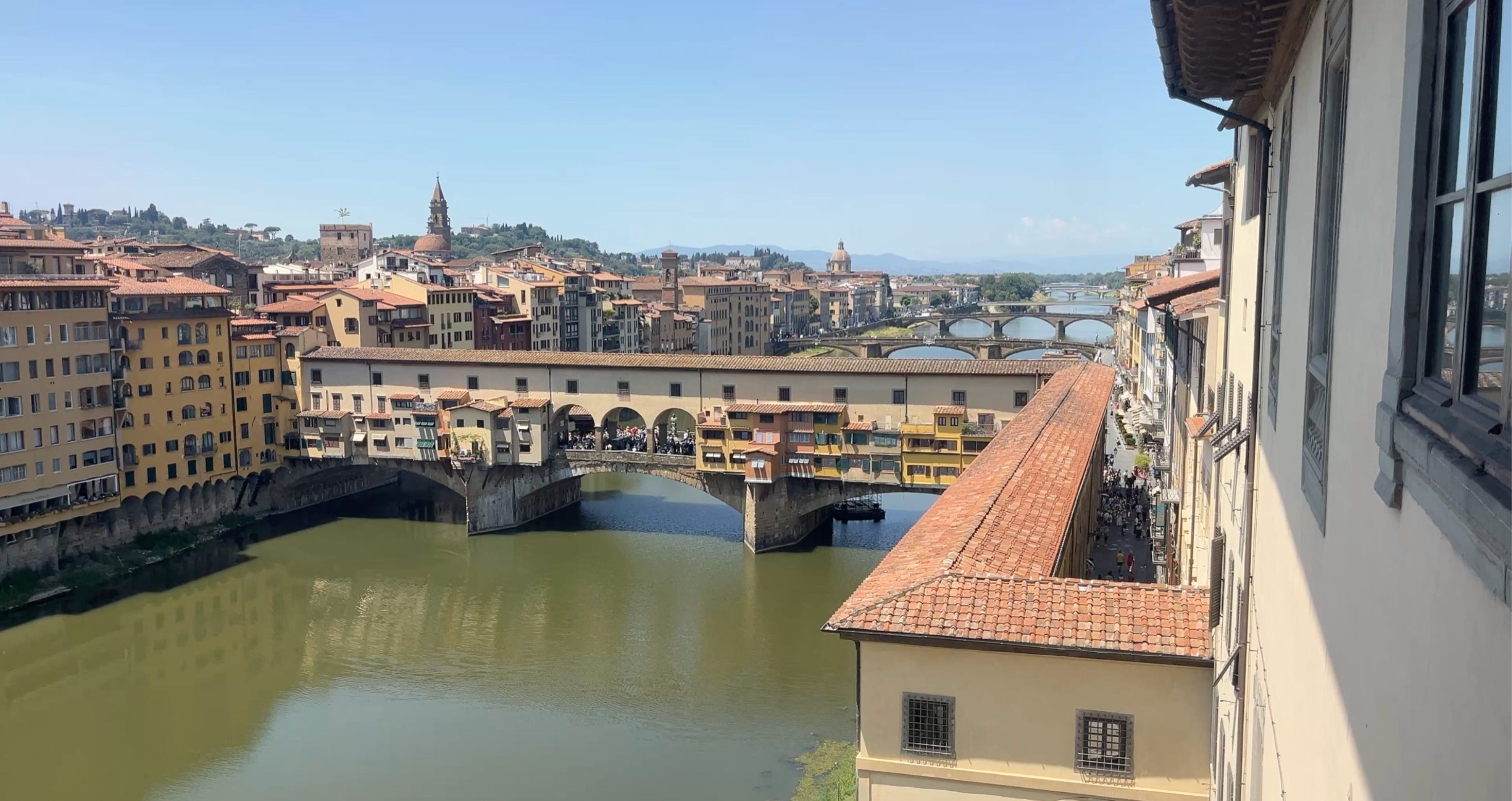
Continuing through the core, one is welcomed by more of these extraordinary public monuments. There’s the Loggia del Mercato Nuovo, with its playful Porcellino Fountain (another very old bronze), the Loggia del Grano which now houses a vibrant restaurant. Loggia del Bigallo, Loggia degli Innocenti, Loggia dell’Ospedale di San Paolo, and the glassed in Loggia Rucellai are only a few blocks away. Arcades are scattered throughout the city. Some others favorites are those at the Palazzo dell’Arcone di Piazza, Piazza della Libertà, and below the Vasari Corridor perpendicular to the Ponte Vecchio running parallel to the Arno.


In mid-blocks, designers sometimes use loggia to setback from the street, offering a bit of space and air in the narrowness of the lanes.
As with most cities, curiosity delivers the greatest prizes. And many of those rewards can be found outside the UNESCO centro storico. It’s not unlike many European cities in this way. To single one out, the 19th century Amsterdam neighborhoods of De Pijp and Plantage seem better places to live in than the Centrum canals, more rich with the tapestry and imperfection of everyday life, if not so grippingly beautiful, they’re still immensely attractive neighborhoods.
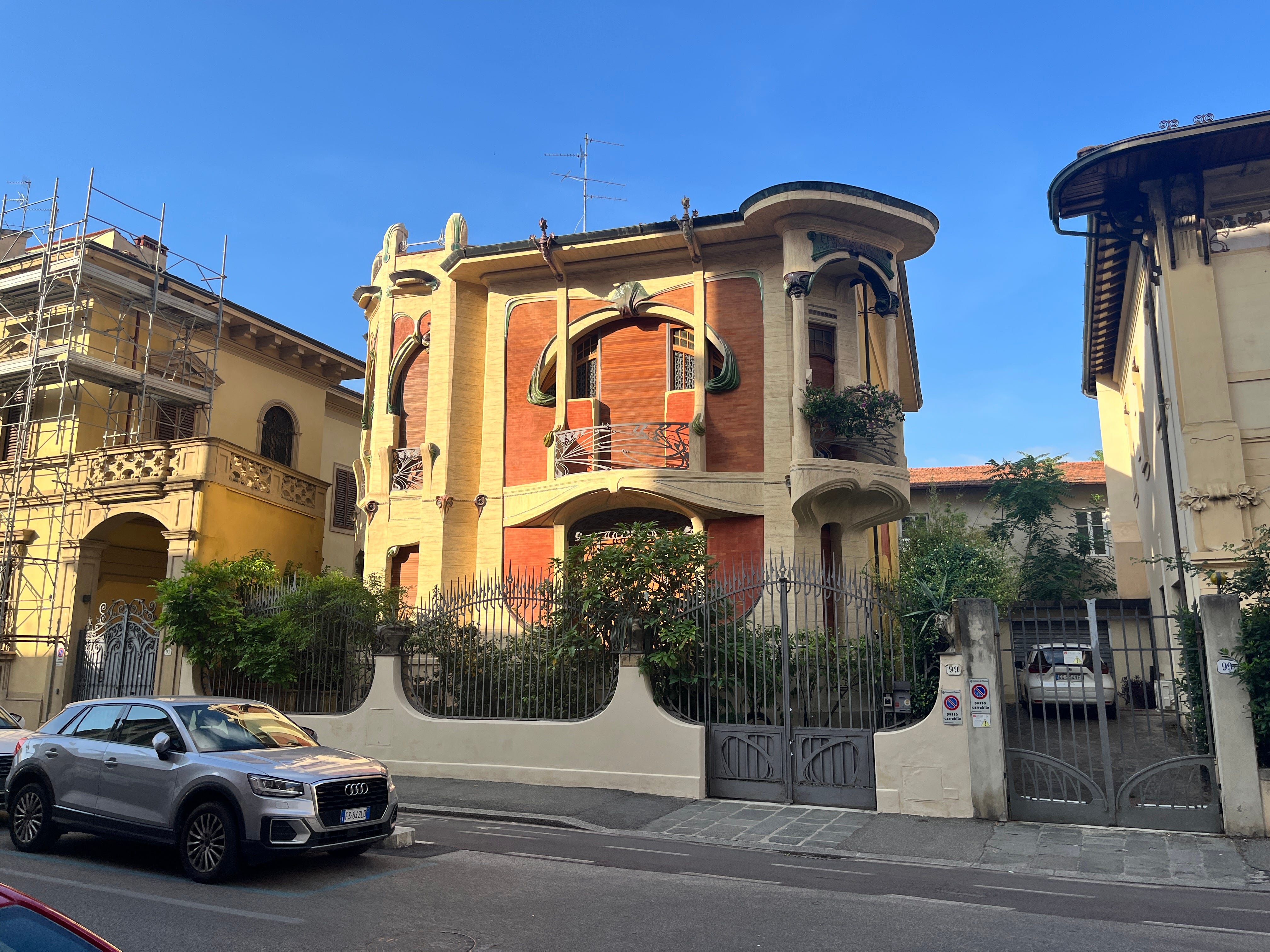
Walking these peripheral Florentine neighborhoods, I was guided by a sense of intuition as much as anything else. Turning a corner because some as of yet unknown thing was calling out. Sometimes, this sense yielded a cute small mixed-use building on the corner. Another turn led me to a real treat—one of the few Art Nouveau buildings in the city. This is a style that’s exceedingly rare in the US, with even fewer that come close to hitting the Belgian, French, or Baltic peaks. Happening upon it was like seeing a white tiger. Tigers, being rare enough, are exciting. (When viewed at a safe distance). But to see such a unique variant?
Standing with protective setbacks on either side, Il Villino Broggi was designed by Giovanni Michelazzi. It’s well worth a detour.
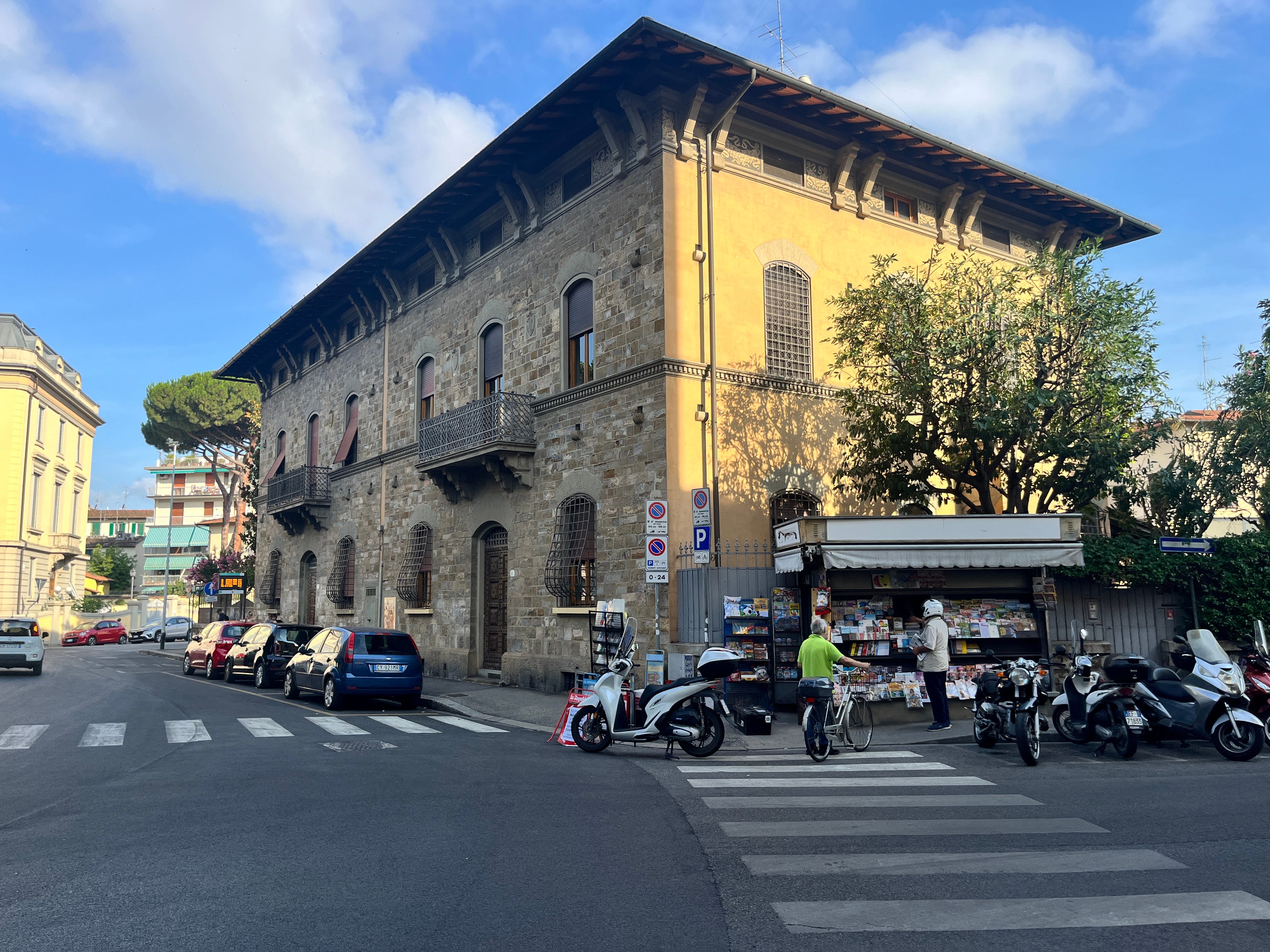
It’s also indicative of the quality of Florence’s fabric outside its old walls. For as magical as Siena is, there’s no mistaking when one is outside the historic city. It’s a shame, as it does take away from the experience. The train station is pretty far from the core, requiring a long walk through a dreary square, shopping mall, and wide car-dominated roads before getting to Porta Camollia. This isn’t just catering to the whims of tourists, though. Why should the most desirable places be withheld from those who live in the city? While not everyone wants to live in a Renaissance or Medieval core, land prices signal that many do. So we should expand to meet this demand!
And while it’s still true that there are many areas of Florence, especially Novoli, that respond to the call of the criticism above, there’s still much good to take from these areas. And it doesn’t last very long. Most of the city’s edges transition rather abruptly from beautiful walkability to the serene tranquility of the Tuscan countryside—all just a few minute walk away, without the jarring in between.
What else is good about Florence? Too much to mention, surely, but I’ll highlight a few areas briefly.
First, underground containerized trash systems. They’re exactly what they sound like, and they’re completely amazing. This might strike readers as strange, as the mundanities of municipal waste collection are very rarely heralded. But remember, I live in New York, a city overrun by bags-on-streets and rats that are attracted to those street-bags. A capable strategy that keeps streets bag-and-rat free is worthy of celebration.
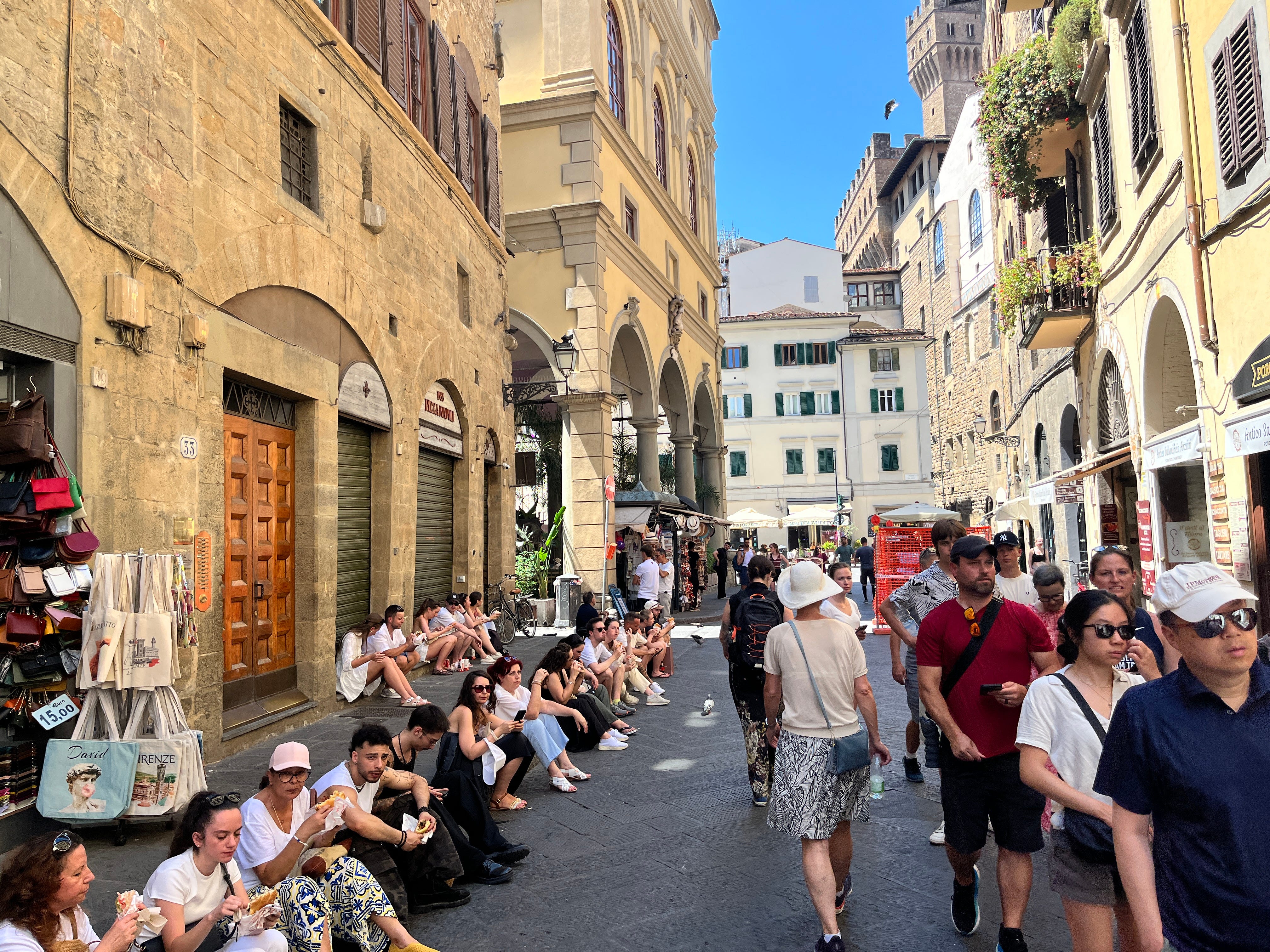
And what do a lot of those streets look like? In many places, they’re stone. Imagine, a city so wealthy that it can pave its streets in materials others would struggle to adorn its buildings and monuments in? It’s an immensely pleasing tactile experience. Aesthetically, there’s little match for it. They’re scored with little notches that provide varied texture so people don’t slip on the slick surface in the rain, and are similarly roughly arranged on the ground. There’s something ineffably superior to the organic layout of these stones than the highly controlled, precise landscaping of backyards and restaurant patios in the US.
ZTLs (zona traffico limitatos) that restrict vehicle access are quite good. Florence is of course more walkable as people don’t have to compete with cars for road space. It’s also quieter, and safer. While some cars are let in, they’re often more cautious because the city isn’t oriented around them
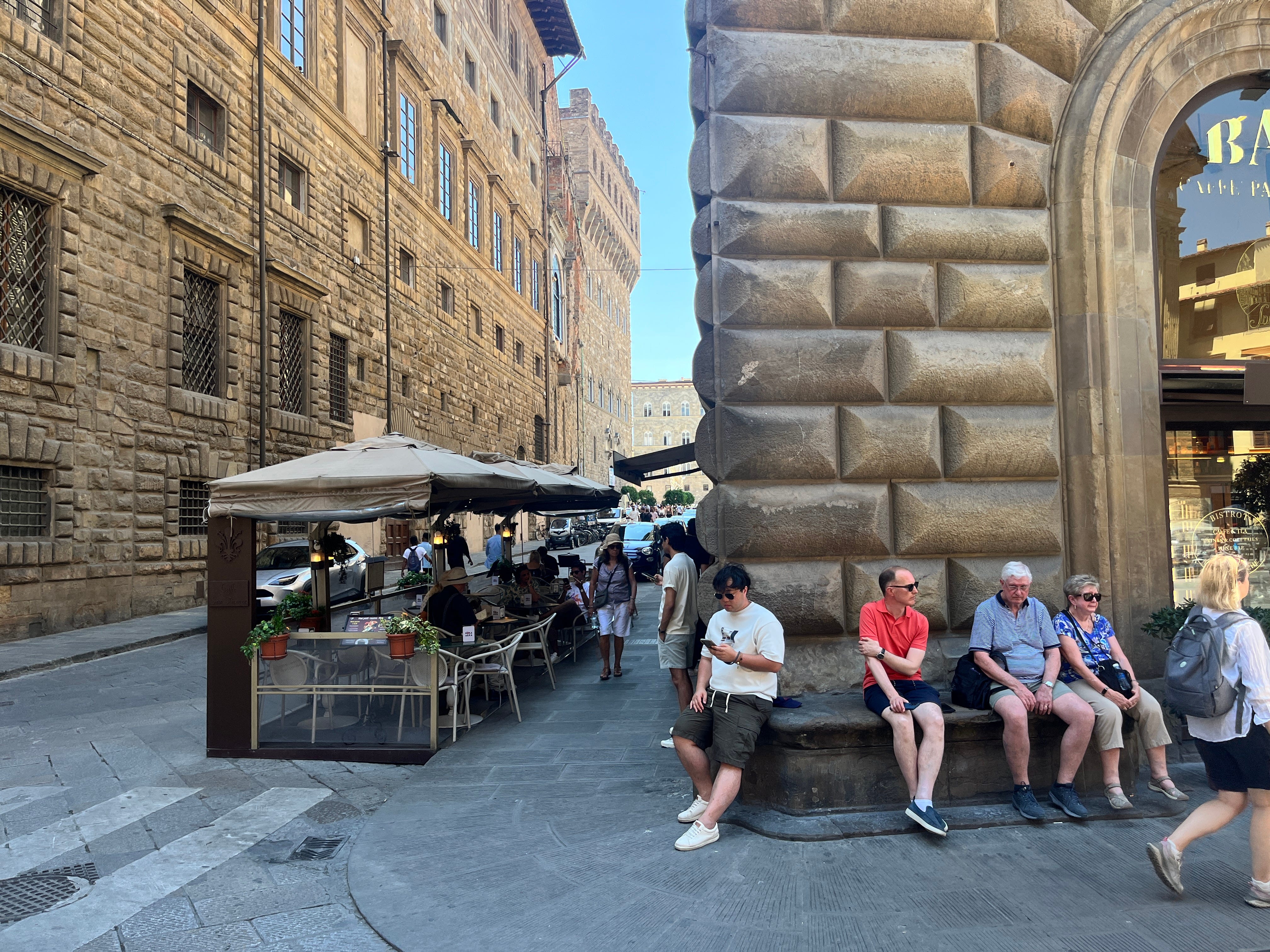
Finally, the presence of benches attached to the bottom of buildings, or raised from the sidewalk high enough to permit sitting in, is one of those small design details that makes a world of difference when the toll of a day of walking is weighing heavy on the legs.
Areas of Improvement
Florence is great. But everyone who knows the city already knows that. How can it be made even better?
Trees
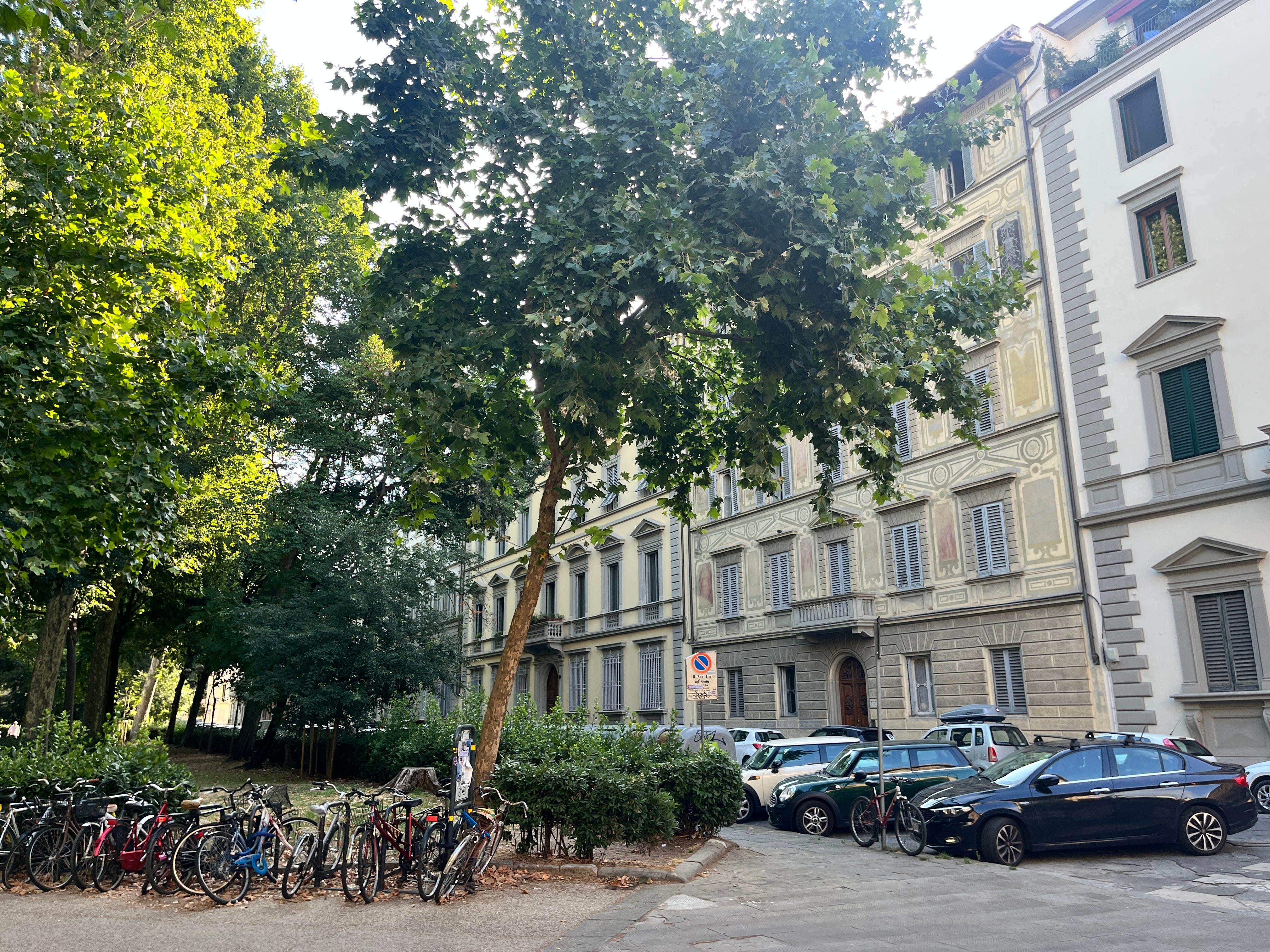
The first is by planting more trees. A lot of them. This simple proposal set off to a minor international incident. Scusa. I couldn’t help but comment on the paucity of greenery in some of the city’s most prominent public spaces, though. As referenced in the tweet below, it’s punishingly hot in Tuscany in the summer. Temperatures hit triple digits, and the sun’s rays are quite strong. People don’t spend time in unshaded squares, opting to stay inside, seek out shade, or as I’ve been told by many, leave the city entirely for a few months. This forfeiture seems like it could easily and cheaply be avoided.
Summer conditions didn’t feel quite so bad in loggias, walking in the shade of tight lanes, or, in those rare instances, when a tree could be found. So, it stands to reason (reason is confirmed by studies on the urban heat island effect), planting more trees will provide more shade and make the city more enjoyable.


Apparently, this was the wrong observation. You don’t understand silly American, the commenters commented, we can’t plant trees in old cities, there’s too much history below. Hmm, that’s strange. If true, does that mean the trees in parks just a few steps from Piazza di Santa Croce are not real trees? How were they planted? No, you see, planting trees will ruing vistas towards monuments. A fair objection, though not an insurmountable one. Trees can be planted in any number of ways, including in rows that force perspectives towards a given view, potentially augmenting sightlines by guiding eyes to the perfect spot.
The most reasonable pushback I received is that this square, specifically, is where Calcio Storico is set, the brutal annual proto-soccer match that pits Florentine neighborhoods against one another. Planting trees would remove this game from its centuries old context. Well that’s fair enough, but it, too, is solvable.
Trees can be put in planters, and moved around for the one time a year a big event takes place. When markets pop up, these planters are less of a concern, because stalls can be put up anywhere, and so too can the planters. Rather than these magnificent squares being empty for three months a year, they can meet the potential that their historic structures demand. By increasing the time people can spend in this or any square, more joy, more opportunities for commerce, and more funds to reinvest into further improvement projects can be achieved. It’s a win-win-win.
What of the other 9 months? Trees deliver extraordinary benefit beyond temperature reduction. They filter air, reduce energy demands (reason alone in Europe!), improve health outcomes by reducing risks of heat exhaustion, cardiovascular / nervous stresses, and increase livability generally. Refusing to do so is a strange status quo where no one—not the residents, the environment, the businesses, and yes, the tourists—are made better off. It is one of the lowest-hanging fruits to pick to deliver outsized returns.
Storefronts
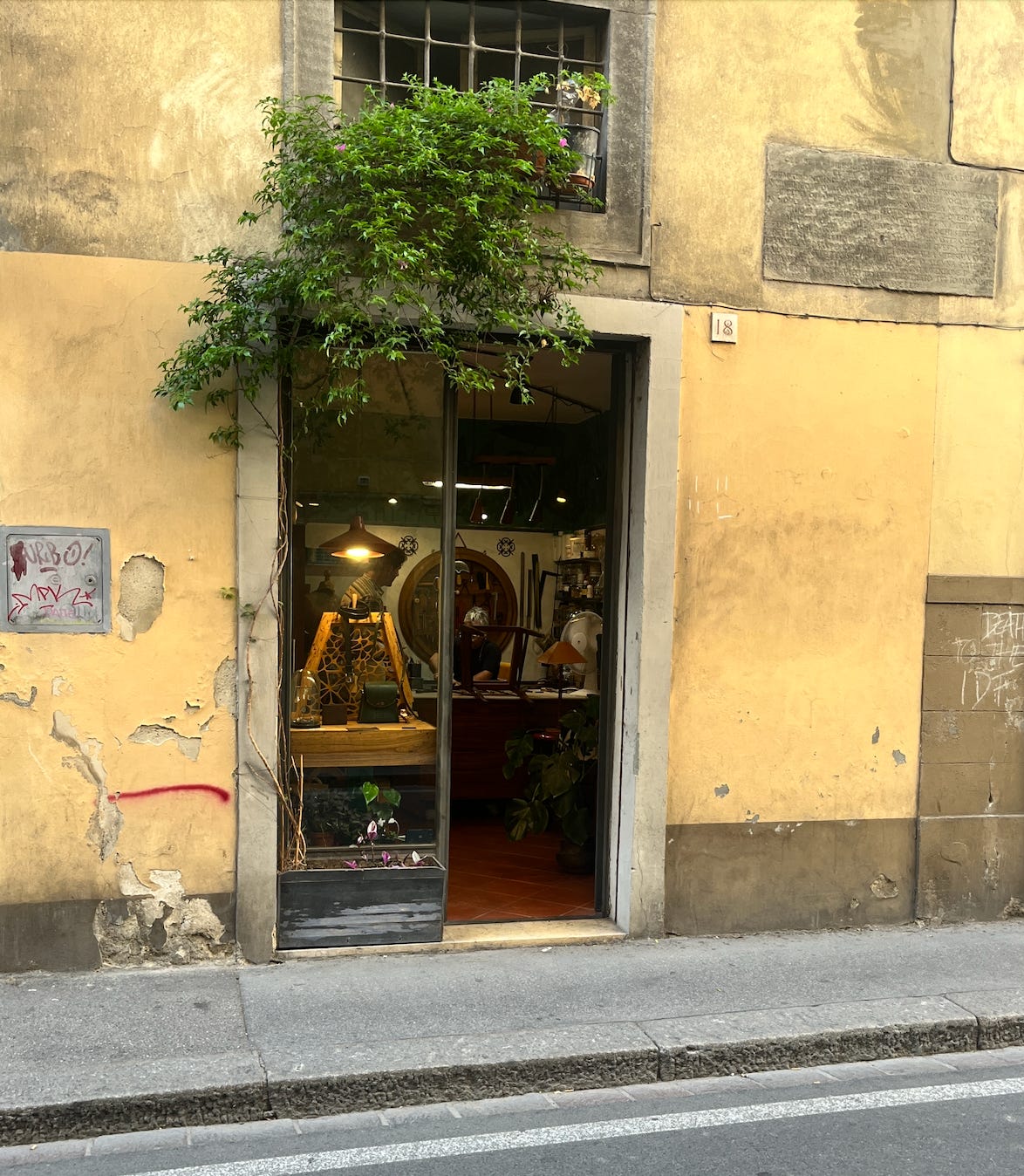
For a city whose buildings and front doors are so beautiful, it’s surprising how little attention has been paid to how storefronts meet the street. Most are harsh, unwelcoming to the patrons one would imagine they’d like to attract. Large plate glass frontages offer no delight, no mystery, as to what might be held within. Or when they are obscured, it’s rather cheaply, further repelling the passerby. How much good a few bulkheads, lintels, and would do!!
The view from the inside is only softened when some other portal is in view.
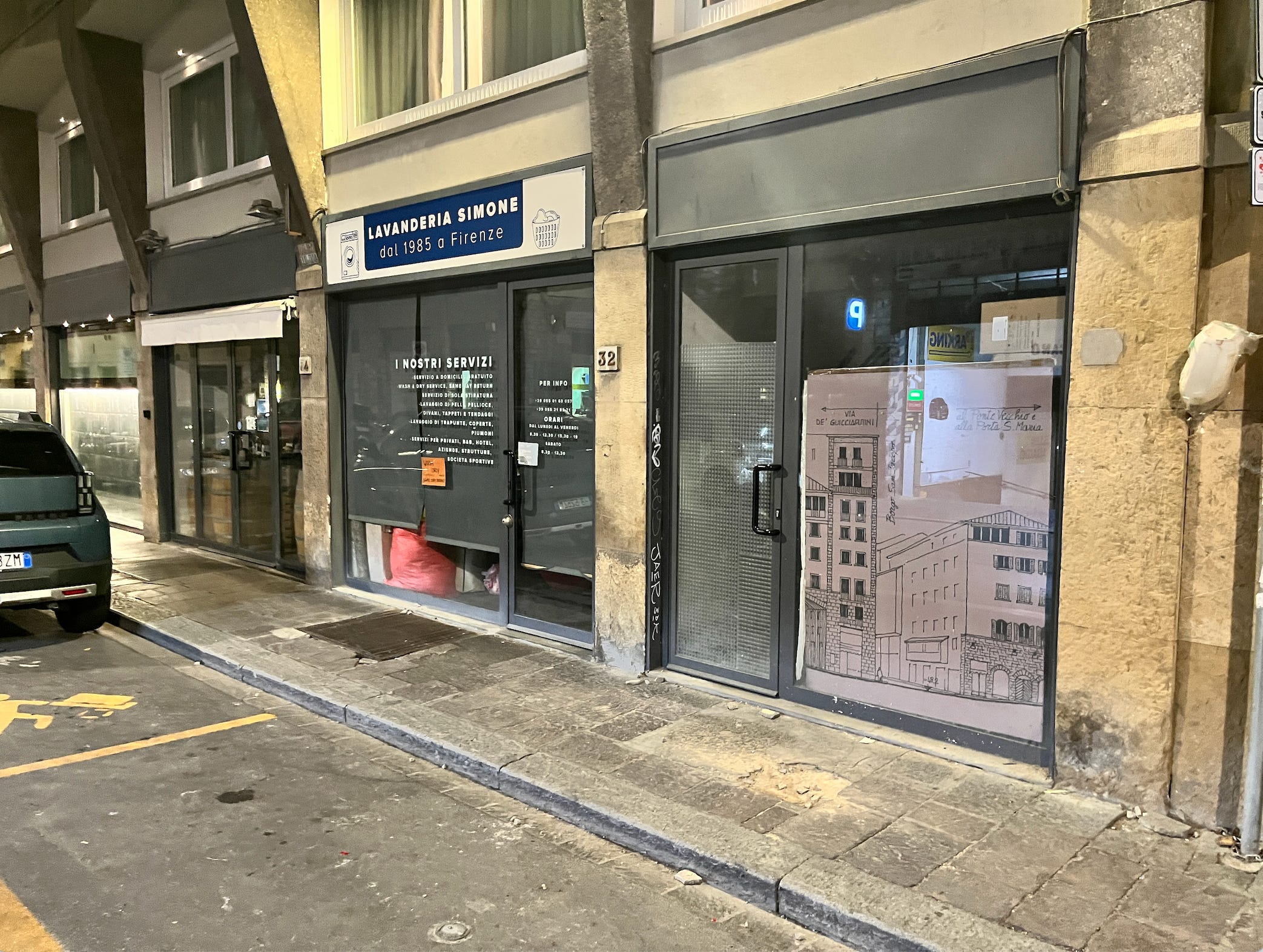
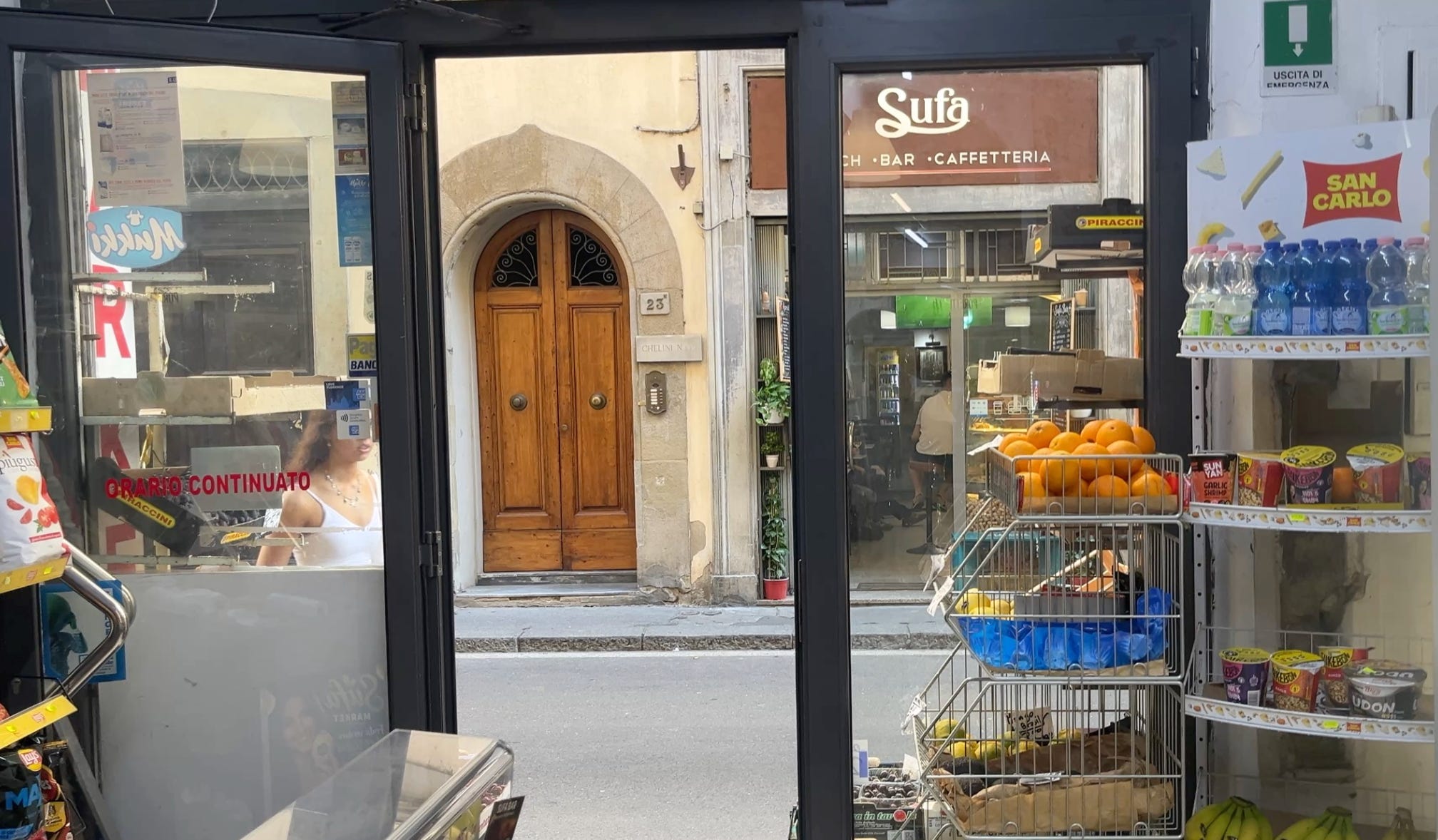
Even lovely shops lose some of their enchantment, so unceremoniously are they presented to the street.
I thought of including parking lots in the “areas to improve” section, but in truth, it’s not so big of a deal. The few parking lots that one can find throughout the city are often lined with trees. It’s not reasonable to expect that all cars should be removed from the core, as deliveries must be made and emergencies demand swift access that can’t be offered by public transportation or bike-ambulances. To my fellow urbanists, it’s okay for people to have cars, too, for whatever needs they have.
There are some instances where below-grade garages would do much good, like beneath some of the peripheral, capacious squares. But these are expensive undertakings that deserve their own article. For now, I say this is a longer term goal, but not one that needs our urgent improving,
Concluding Thoughts
Florence is a spectacular city; humbling in ways that an American mind cannot fully comprehend, it’s true. When comparing it to North American cities, focusing on critiques can seem hypocritical. We have so much to improve at home. But that’s not the standard we should apply. Florence must be compared to the previous heights it set for itself. Or else it will sink into becoming a facsimile of what it once was, a haunting reminder of a place that forgot what made it great in the first place. And on that front, there’s always more that could be done. Greatness knows no ceiling.
So, let us never rest on our laurels. Let us keep improving every city—even the most extraordinary—every neighborhood, every block, and every lot. And so much the better if we do so with an outstanding slice of pizza at 7am as we fail to beat jetlag.
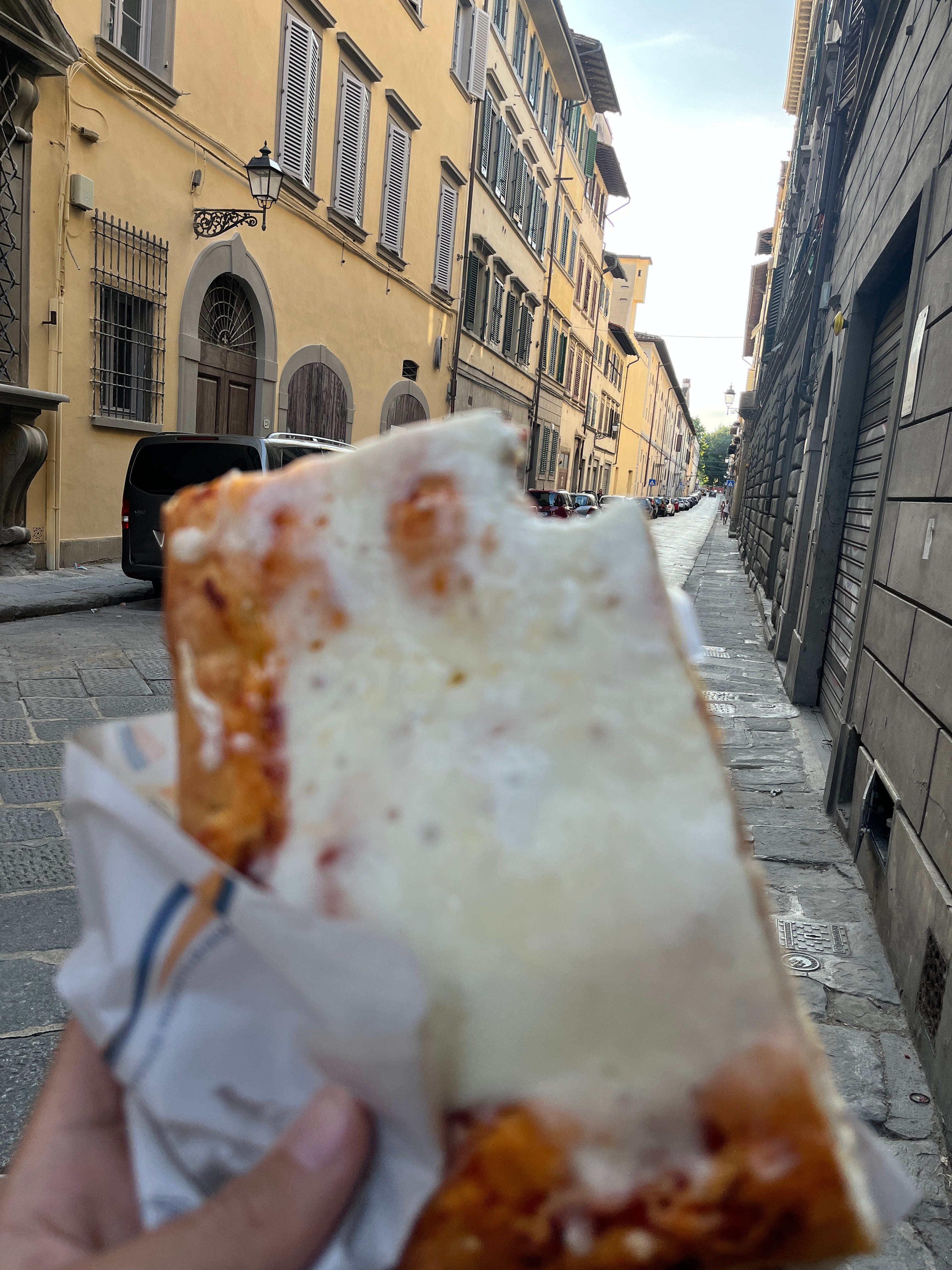
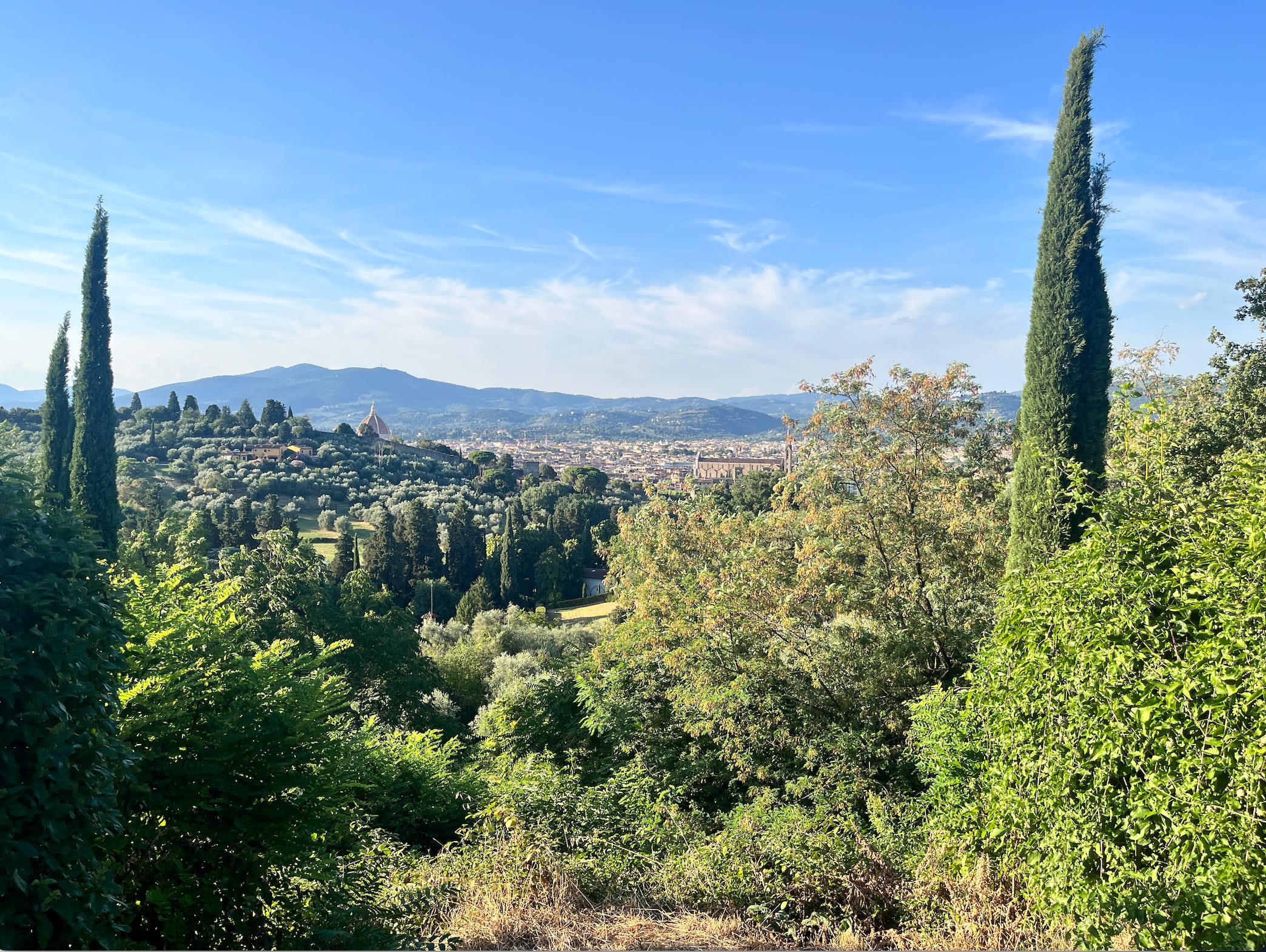
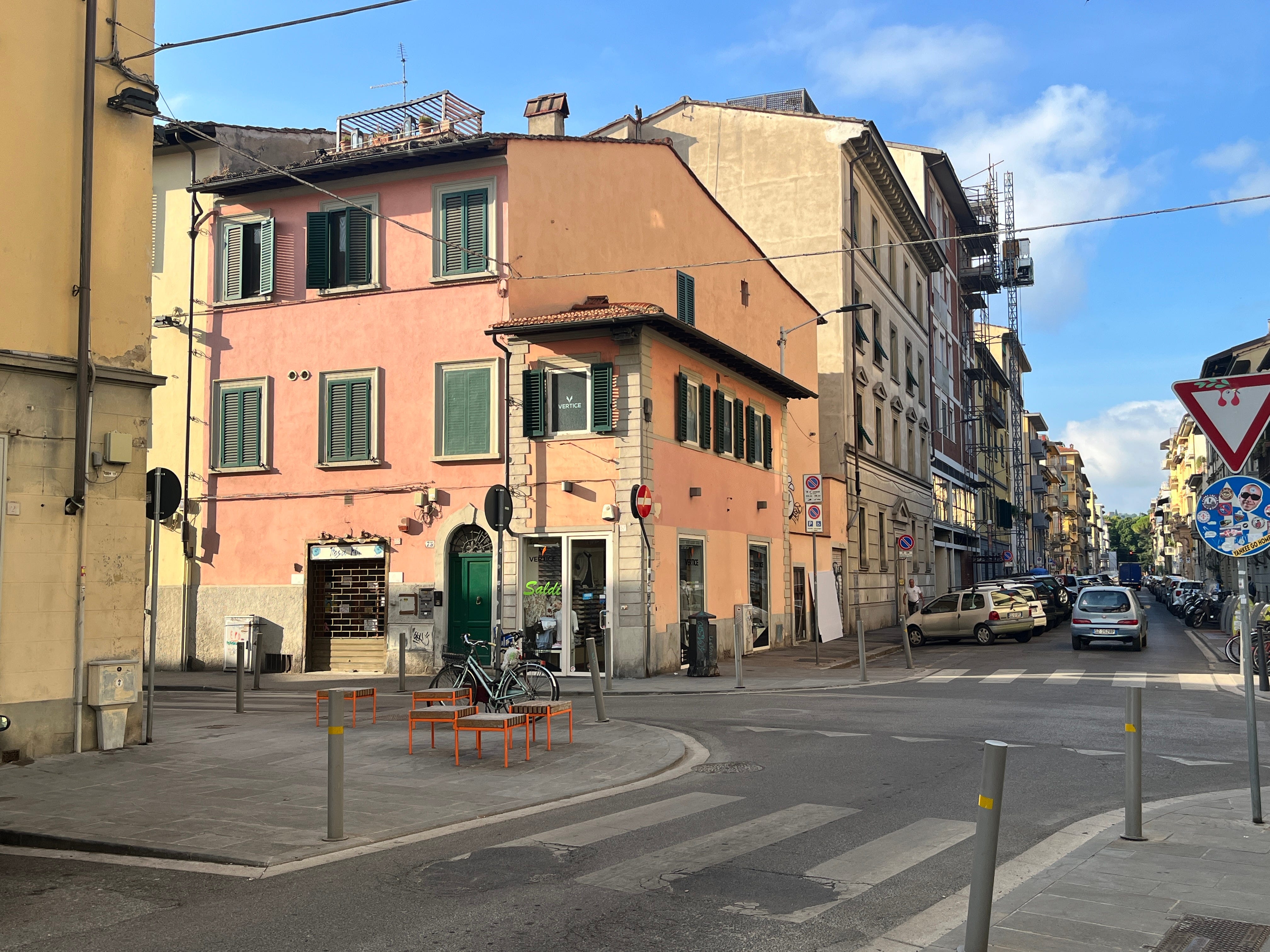
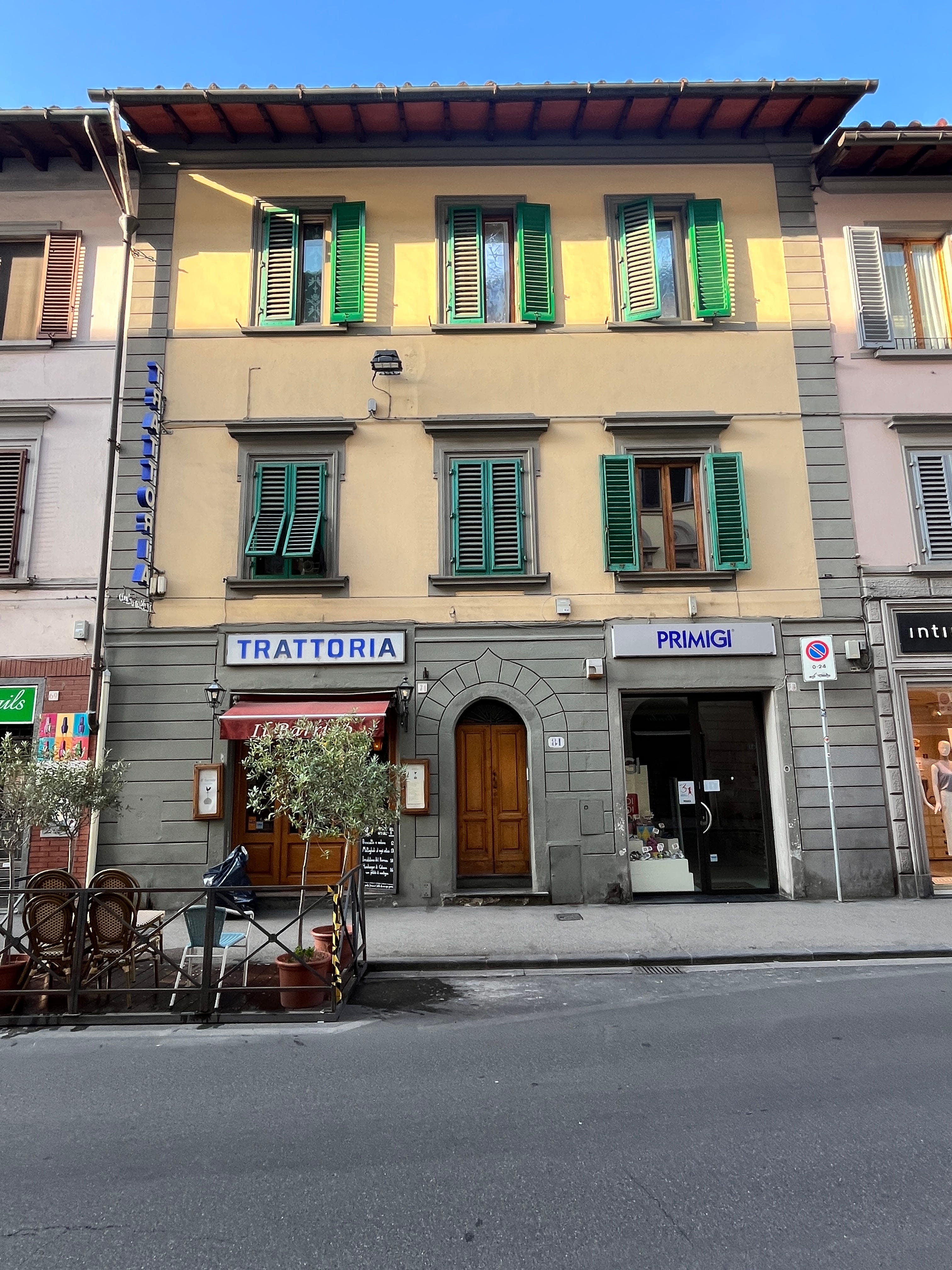
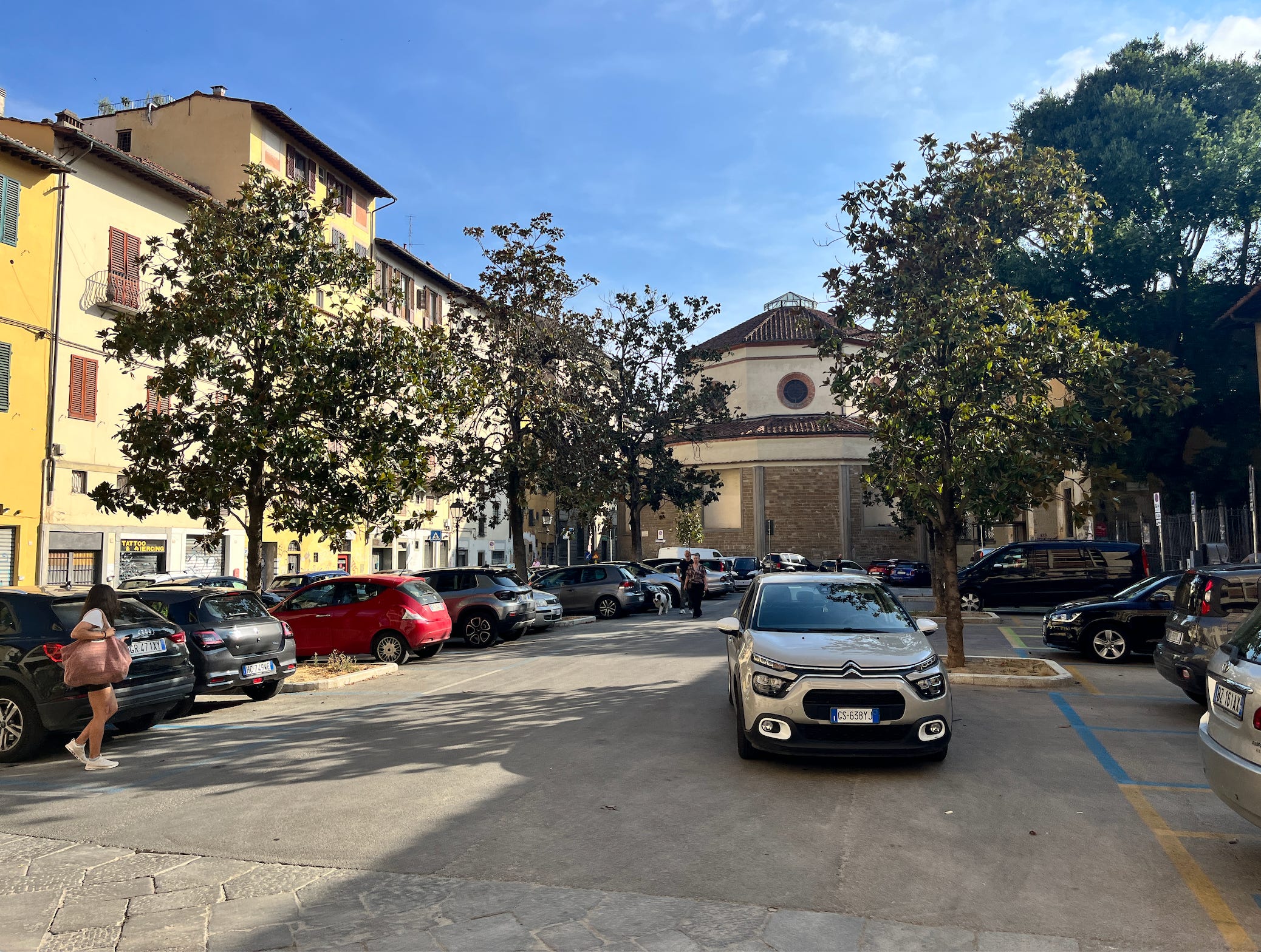
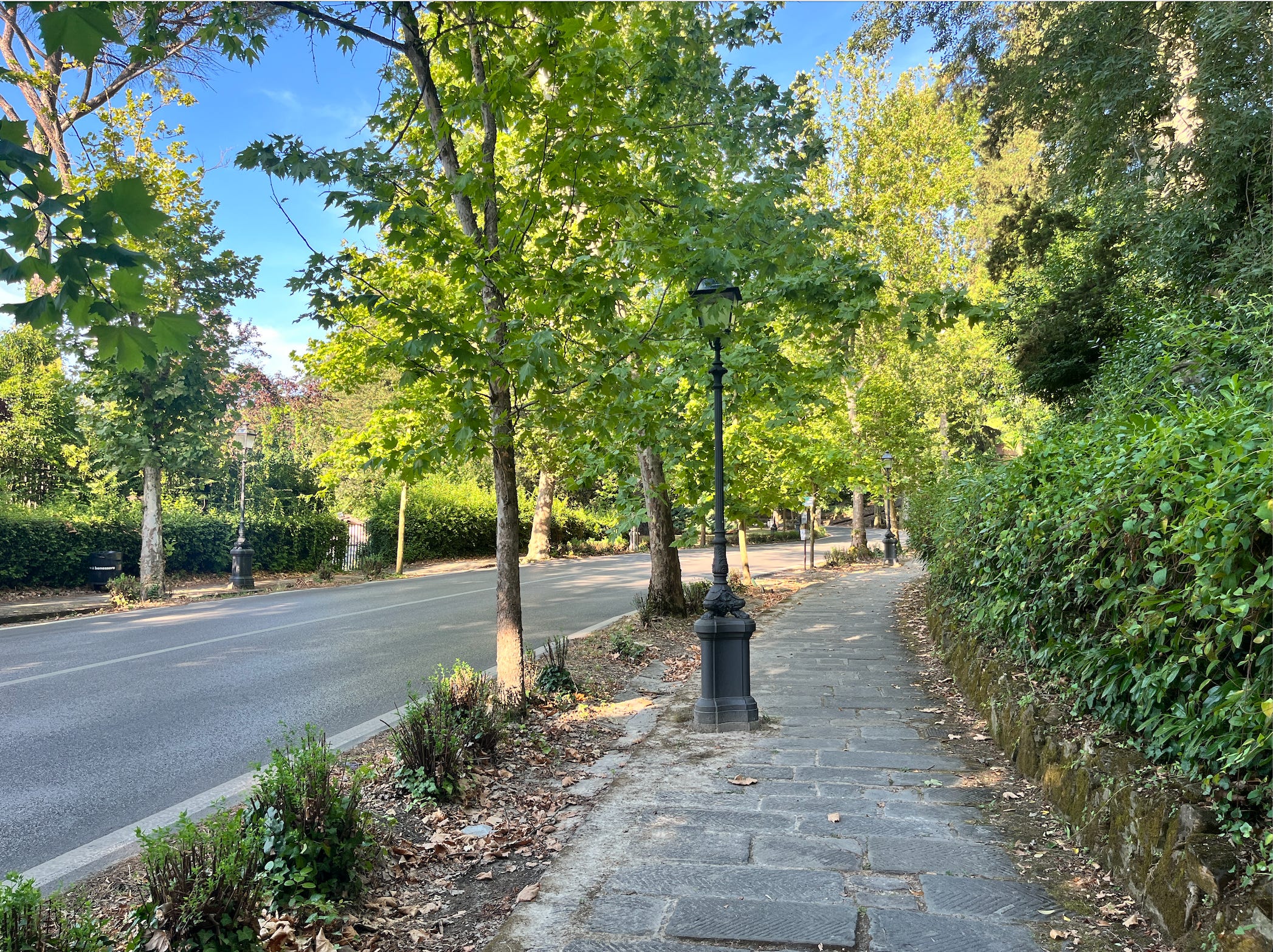
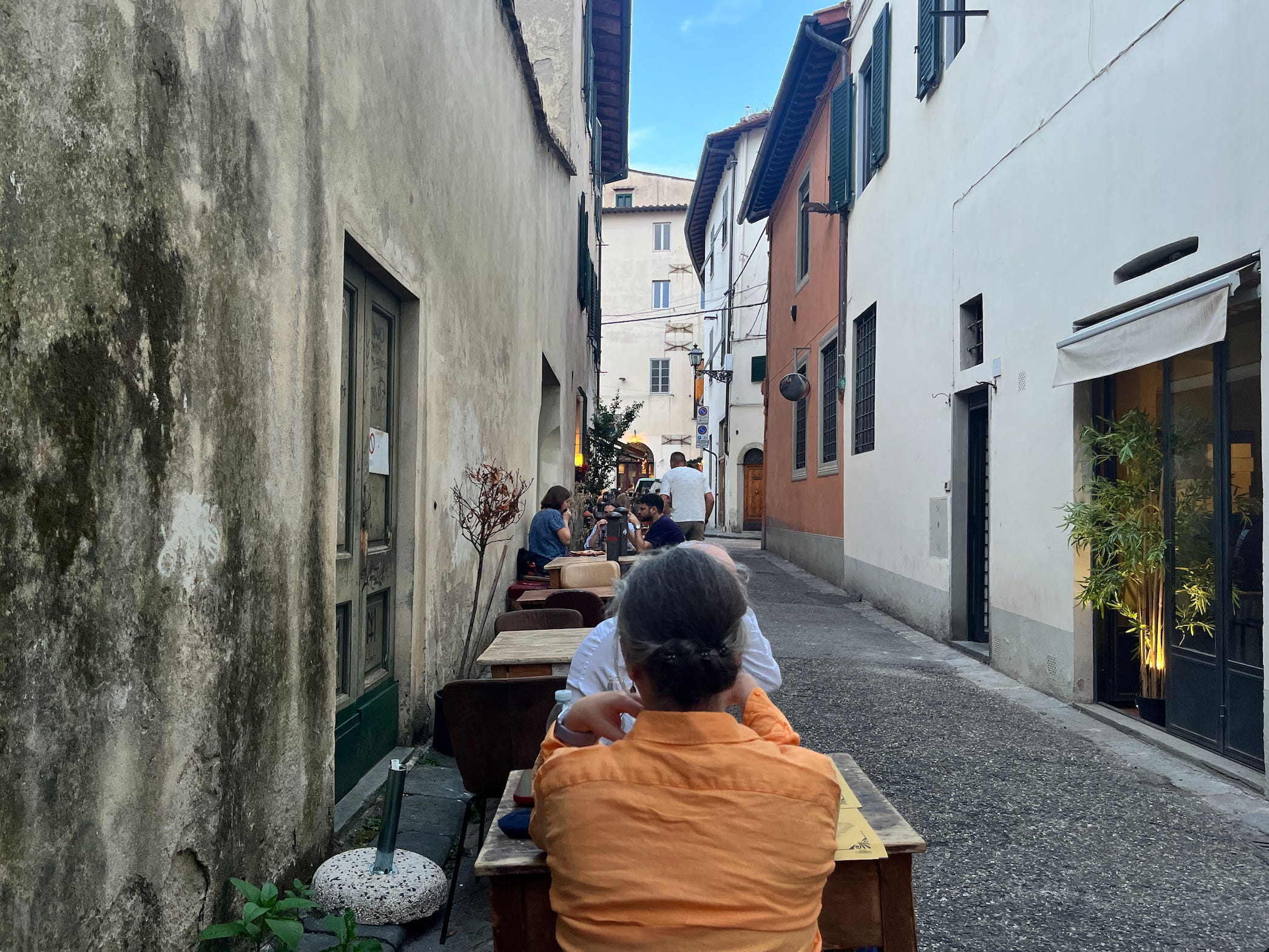
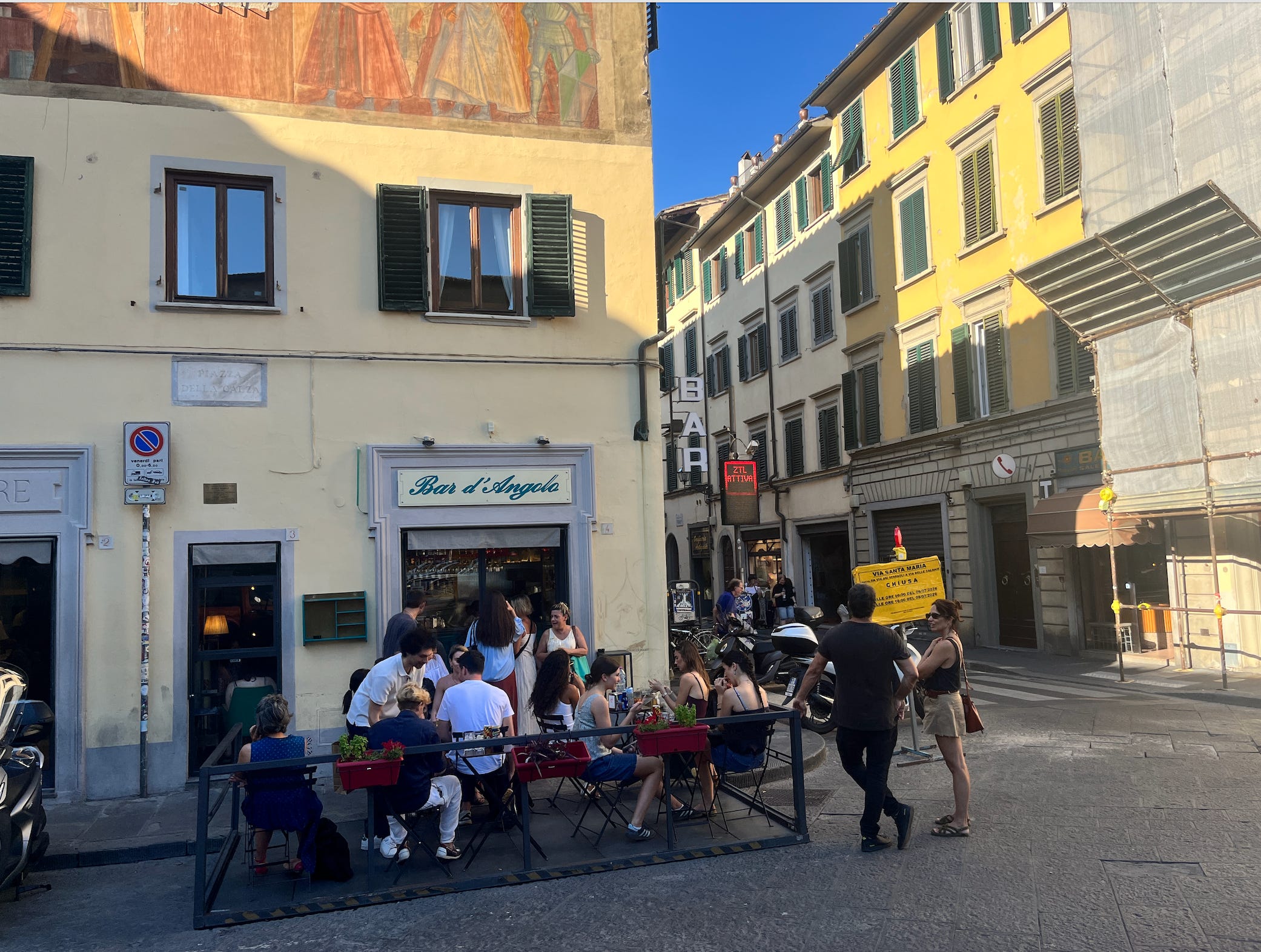
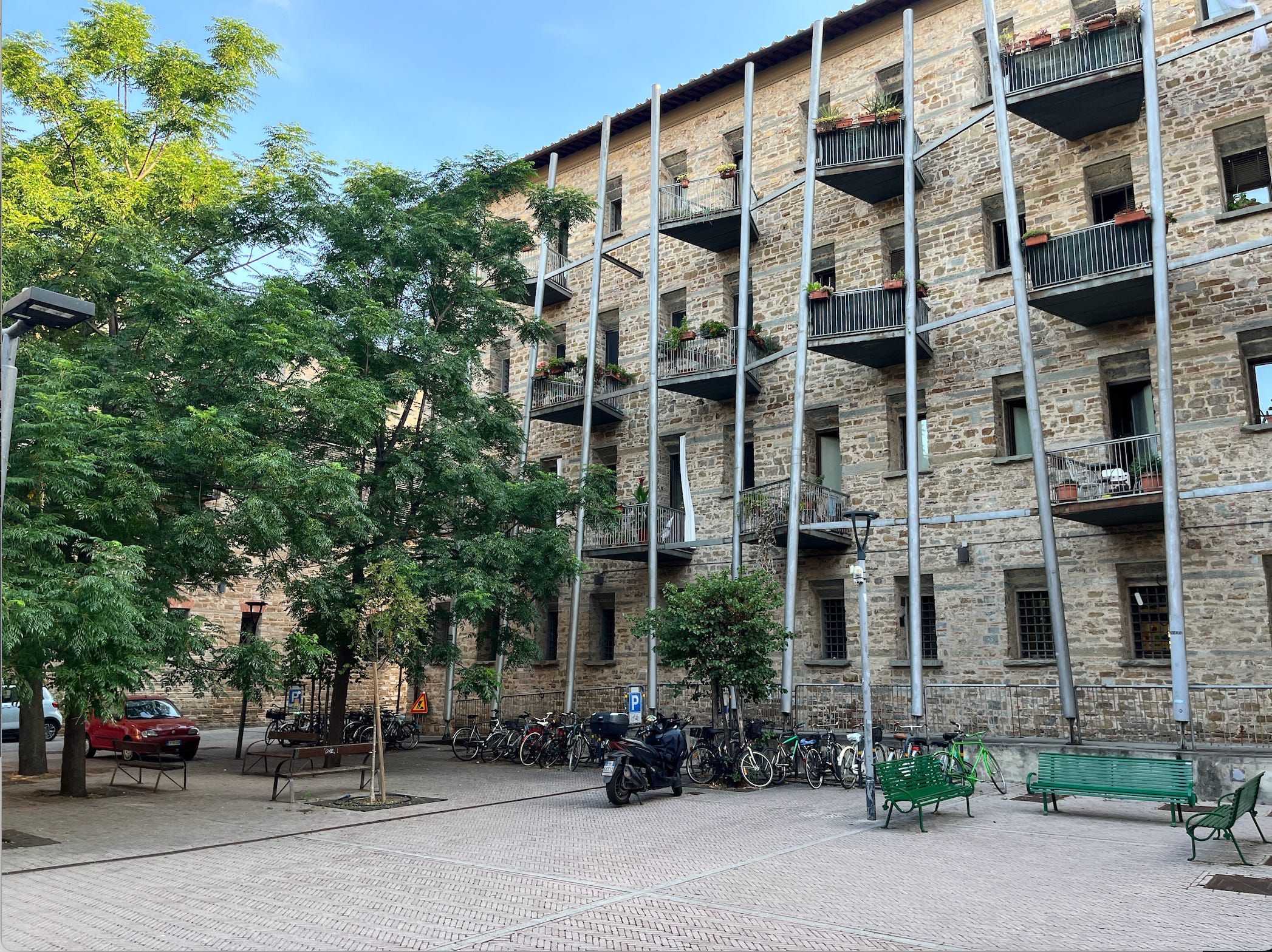
Here are some other scattered pictures from Florence. I hope you enjoyed the piece. Onwards, and Upwards too! (many forget the second part, at our collective peril!)
Brilliant and insightful . Painted a great picture and great photos
Loved the details about what makes Florence’s buildings so gorgeous. Would love a post on your book recommendations for urban planning+placemaking!