
What's Going On In Budapest?
A Return to Beauty

This is now the fourth installment, spread over many months and dozens of hours, of what I thought would be a fun, quick piece. Man plans, God…
This is now Part Four, which focuses specifically on Budapest’s Renewal. Though there have been some extraordinary projects completed with technical mastery elsewhere in the world (especially the German reconstructions of Frauenkirche, the Berliner Schloss, and infill structures of Potsdamer Mitte), none come quite close to what the Hungarians are doing.
Please click the hyperlinks for Part One, Part Two, and Part Three, respectively.
As mentioned in the last piece:
“The genesis for those pieces actually started with this one, where I began to compile a list of the most beautiful new buildings in the world after spending hours reading about Budapest’s National Hauszmann Program with zeal. The Program is premised on rebuilding structures designed by architect Alajos Hauszmann which were destroyed in World War II. Not only is the goal of the scheme aspirational, but the quality of the efforts achieved, as you will see, is almost unbelievably good.”
Apologies for the cliffhanger in the last piece. As you will now see (I hope), the wait will have been worth it. (And for those reading this many weeks or potentially years from now in an archival deep dive, no wait was required at all!)
The National Hauszmann Program was initiated by the Hungarian Government in 2016 to reinvigorate the Buda Castle district in Budapest. Politics never being removed from governmental intervention in architecture, it is possible that this revivalism has its roots in nationalism, though the German examples profiled last week certainly would not fall under this umbrella given the current Deutsche cultural-political zeitgeist. Far from adjudicating the intentions of the current government or its implications, however, my goal is to simply present the results of these efforts, and their impact on the urban realm. That impact has been overwhelmingly positive.
From forlorn vacant lots wearing only the vestigal traces of a more confident era, the Buda Castle district has been enlivened by the Hauszmann Program efforts. It is the fulfillment of a dream held by millions who longingly look at empty plots or unimaginably inferior successors to once great structures who have asked “why don’t they rebuild what used to be here? Could you imagine how magnificent it might be?” In Budapest, as in Dresden and Potsdam, we no longer need to wonder. Rome, here’s looking at you, next.
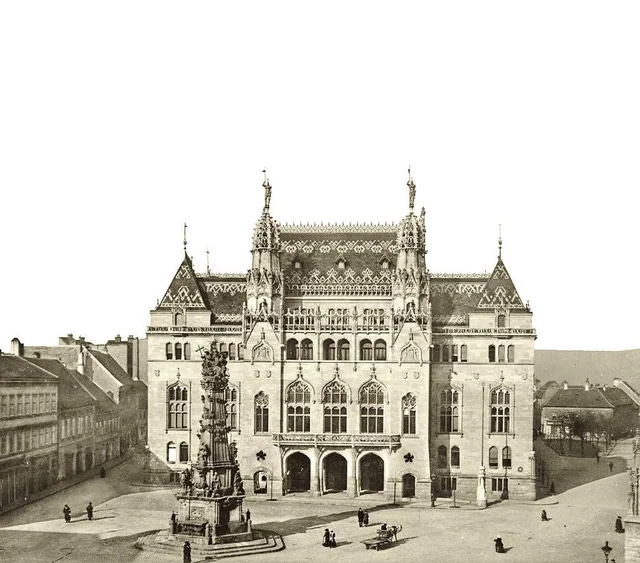
What’s remarkable about some of the reconstruction efforts is that some of the buildings that were replaced, like the Faculty of Electrical Engineering and Informatics of the Budapest University of Technology and Economics designed by Jenő Rados, were very handsome structures. But they were not as magnificent as what was to replace them; in this case, the Ministry of Finance reconstruction. This is a salient lesson that was historically axiomatic in architecture but has not been true of the last century—the building that replaces another will be an improvement. Let us internalize this and reach ever higher.
For more information on this initiative, please read this wonderful report, as well as the website for the Program. And for ongoing updates, there is an excellent thread on Skyscraper City, where those who want up to the moment news can keep track. This is one of the most exciting global projects At the moment. It fills me with great hope that we can rectify the wrongs of the past, and secure a strong foundation for an as of yet unknown future that has a greater chance of being magnificent given that it will inspire Hungarians, and all who visit Budapest, that they are the heirs to a noble legacy. The actions of the Várkapitányság Nonprofit Zrt constitute a series deliberate choices—a series that is not proscribed from any other entity in the world. We can build as beautifully as we ever have, if only we decide that’s what we want to do.
Let’s Build A Better World, Together
If you’re reading this, you care deeply about why the world looks the way it does, and how to make it better.
If you enjoy thinking critically about how we design, build, finance, and steward the places we live, and how we can practically create the built environment we all dream about, I’d be enormously grateful for your support of the ideas, projects, and essays we share here. Even subscribing without payment helps a tremendous amount.
Thank you so much for reading. Now, let’s see what’s going on in Budapest!
The National Hauszmann Program
Location: Budapest, Hungary
Year Completed: 2016 - Present (Expected to complete 2030)
Architect: Alajos Hauszmann (originally). Contemporary architects include, but are not limited to, Robert Gutowski, Zoltán Tima, Attila Dévényi, Péter Kováts, Gábor Nagy, the Hungarian Chamber of Architects (MÉK), KÖZTI Középülettervező Zrt, and the Hungarian Academy of Arts.
Sponsor: The Hungarian Government / Várkapitányság Nonprofit Zrt via the National Hauszmann Program.
Ministry Of Finance
Before
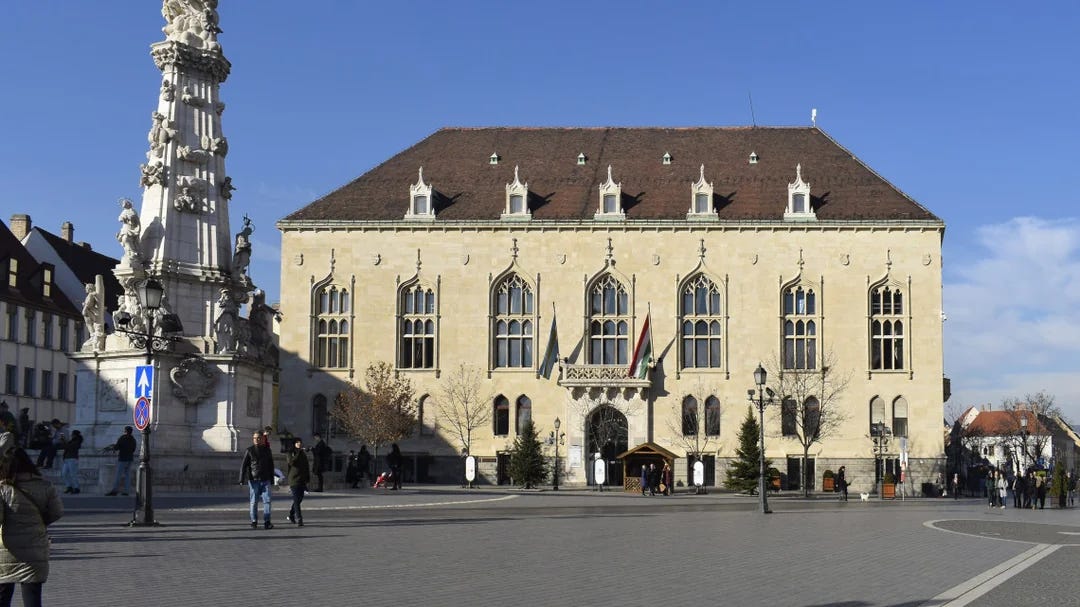
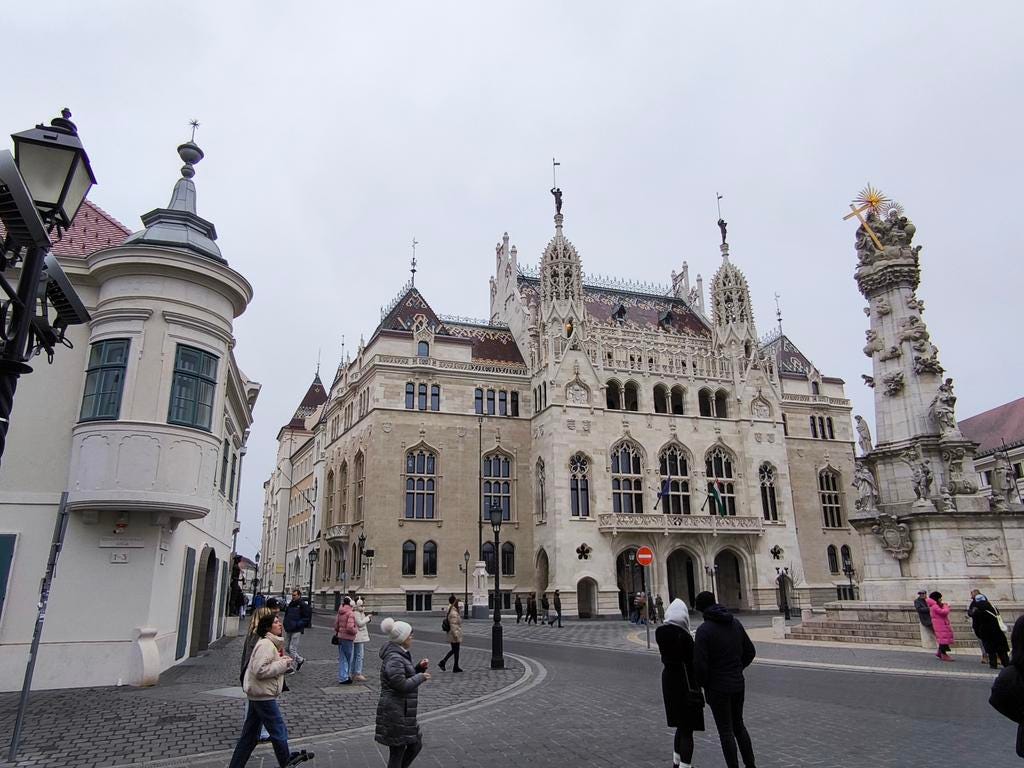
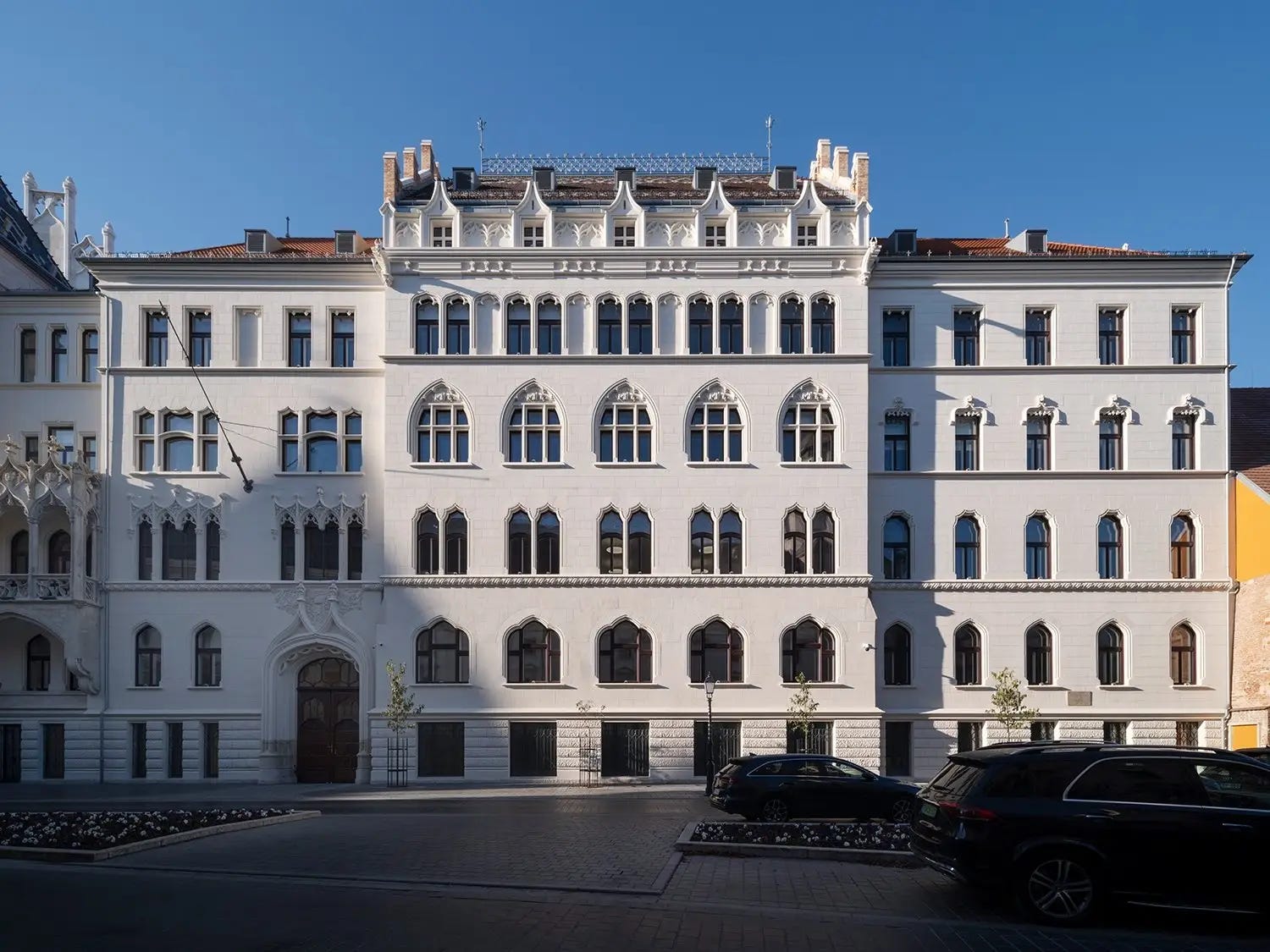
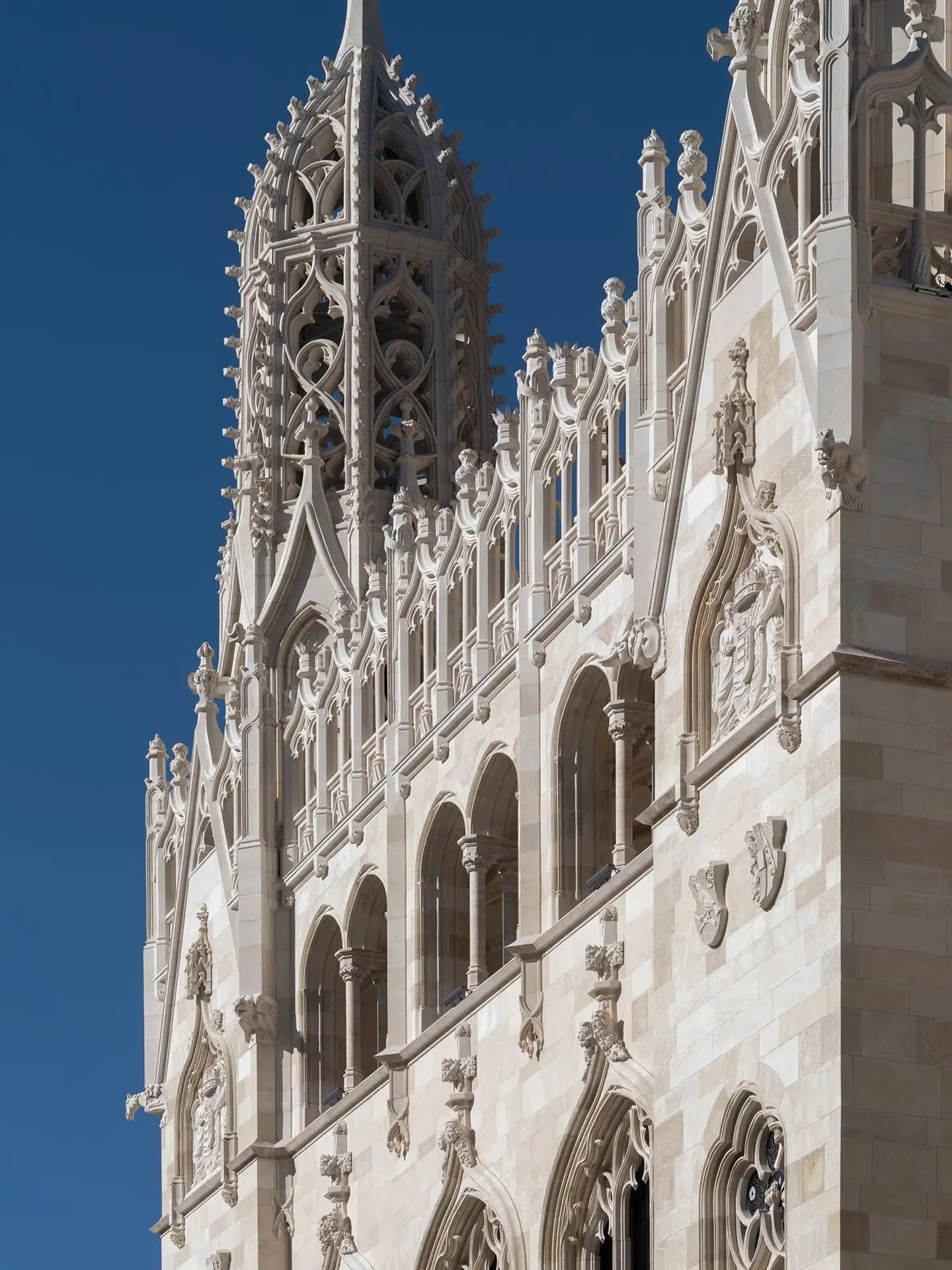
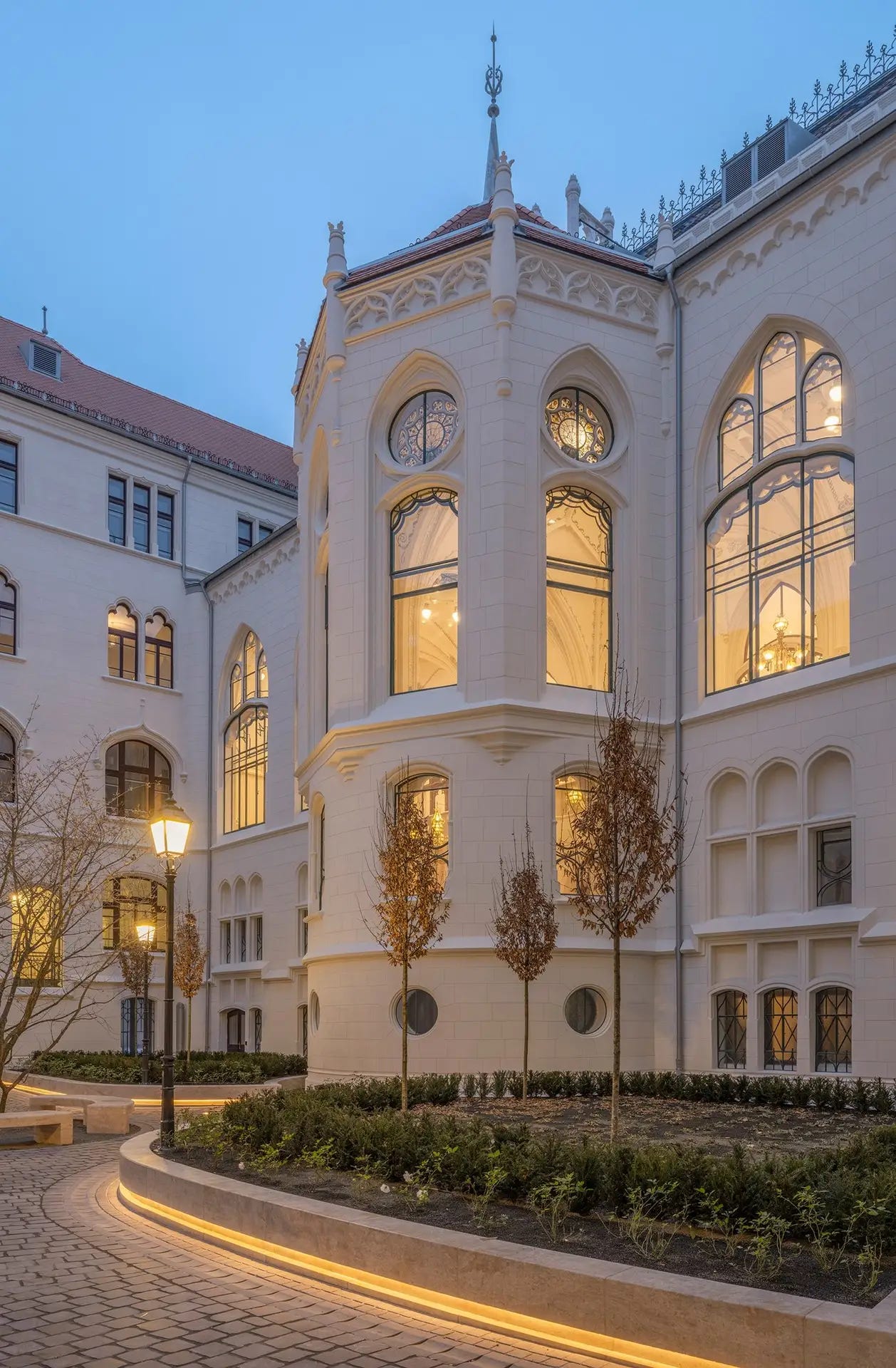
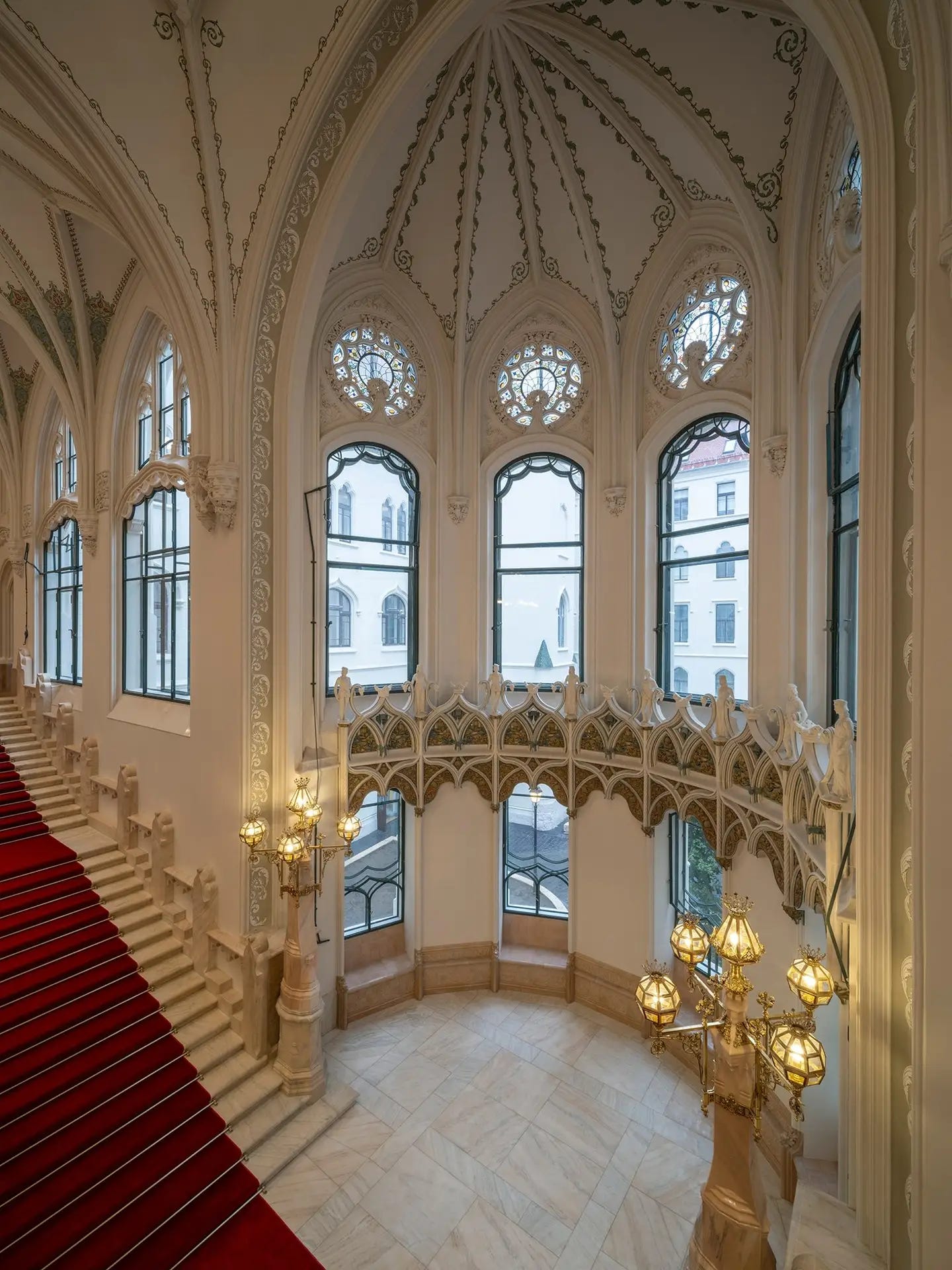
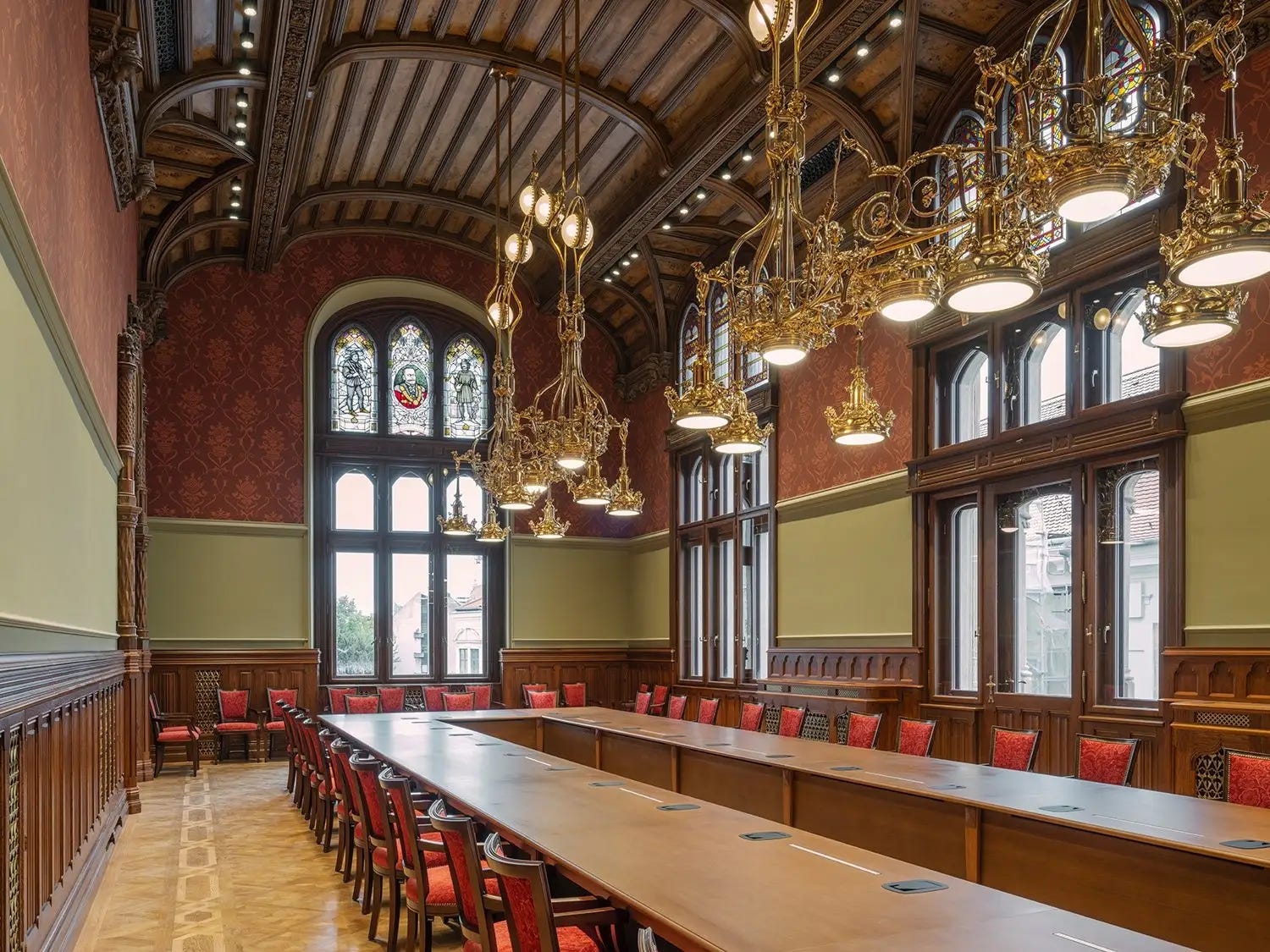
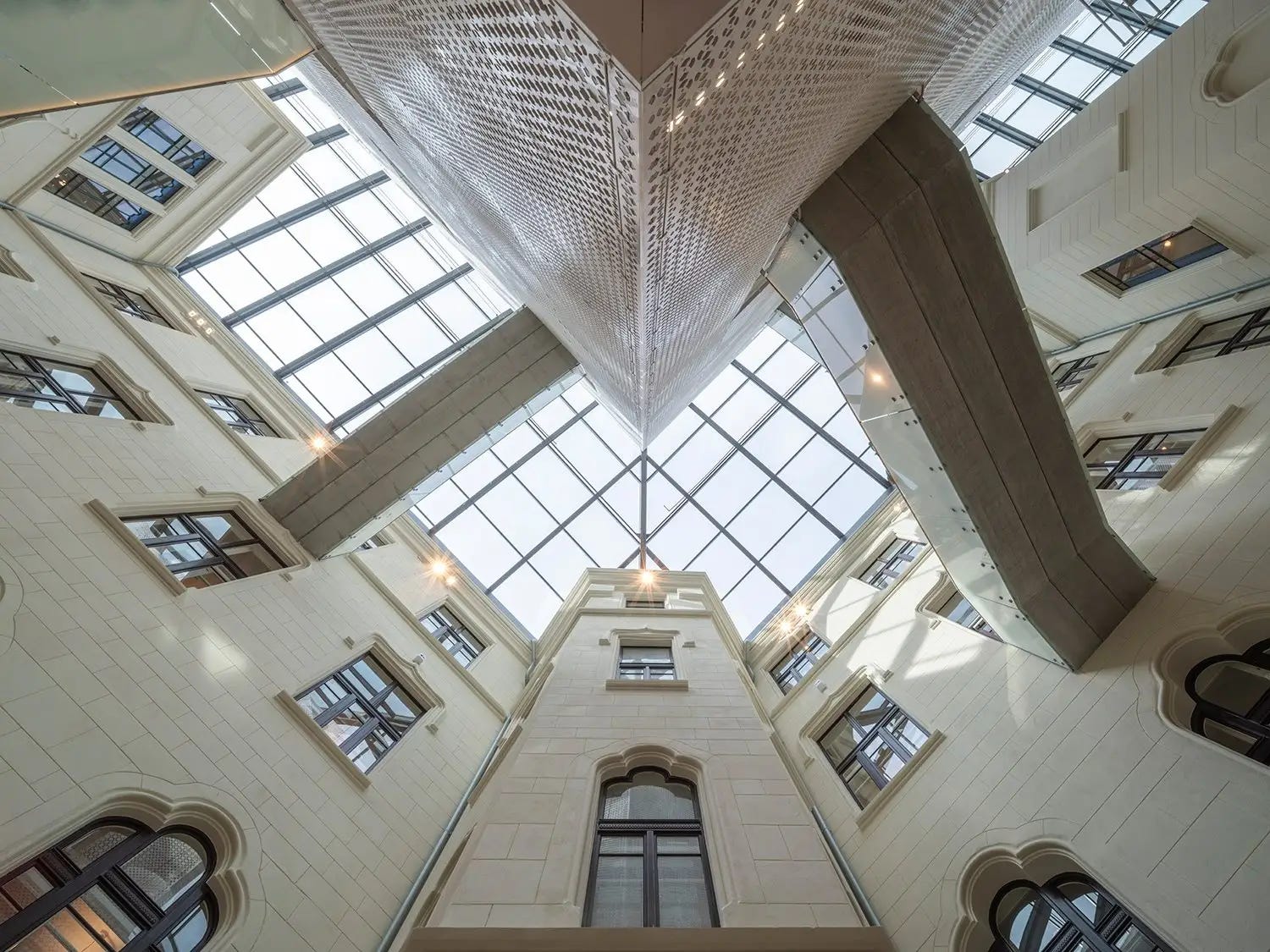
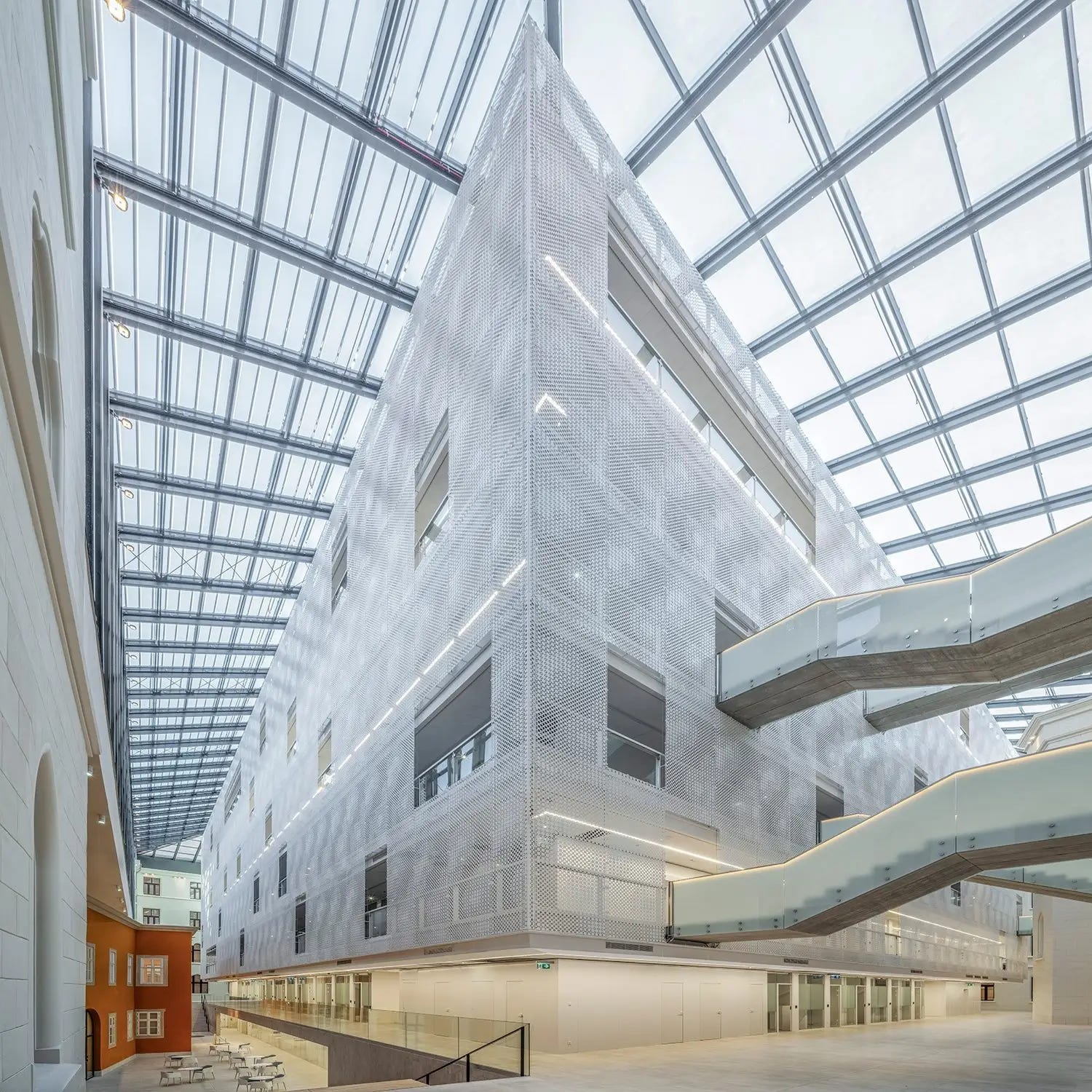
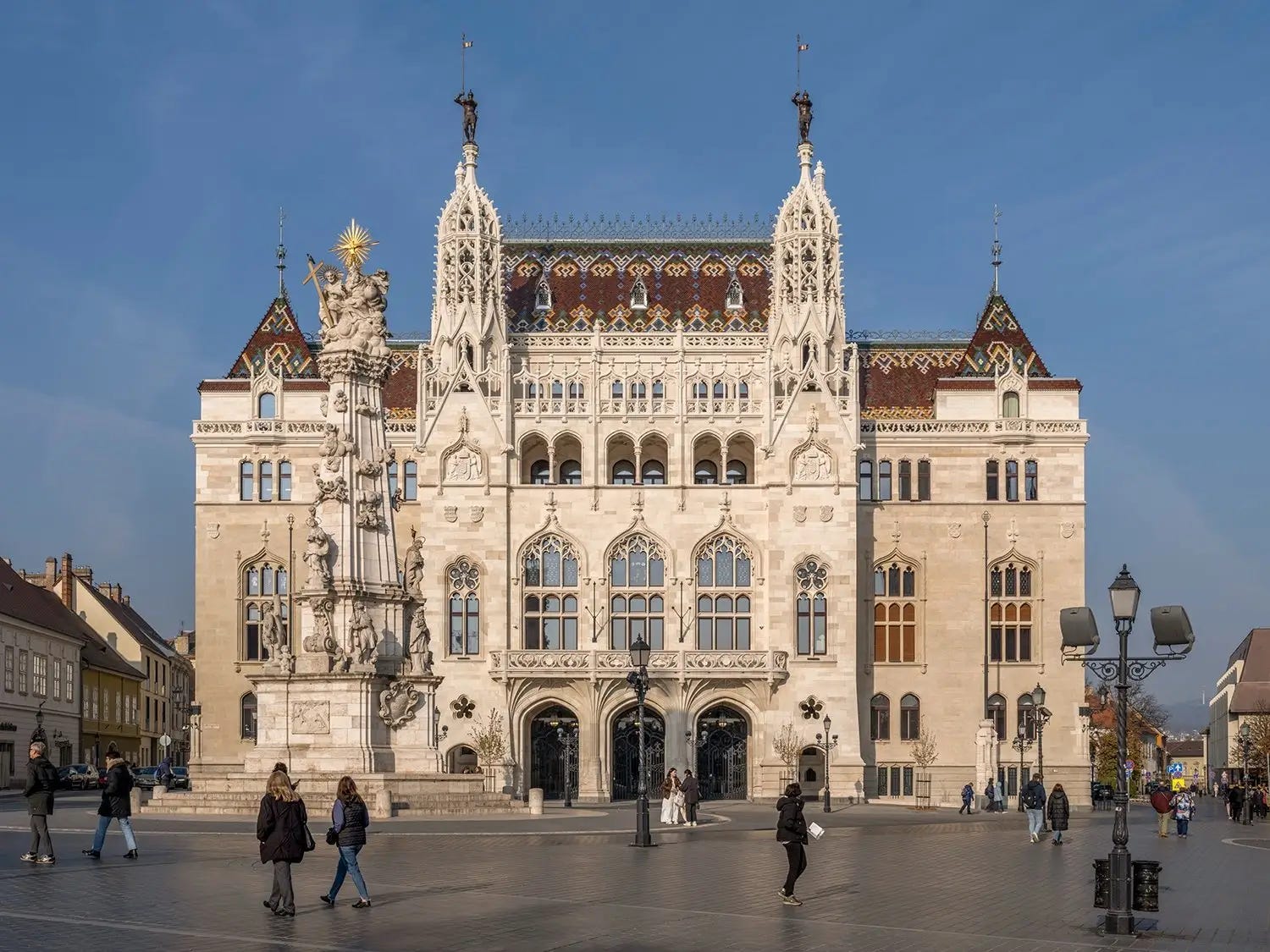
Historic Reference (Completed 1901 - 1904, Designed by Sandor Fellner)
Former Hotel, New Conference Center
Before
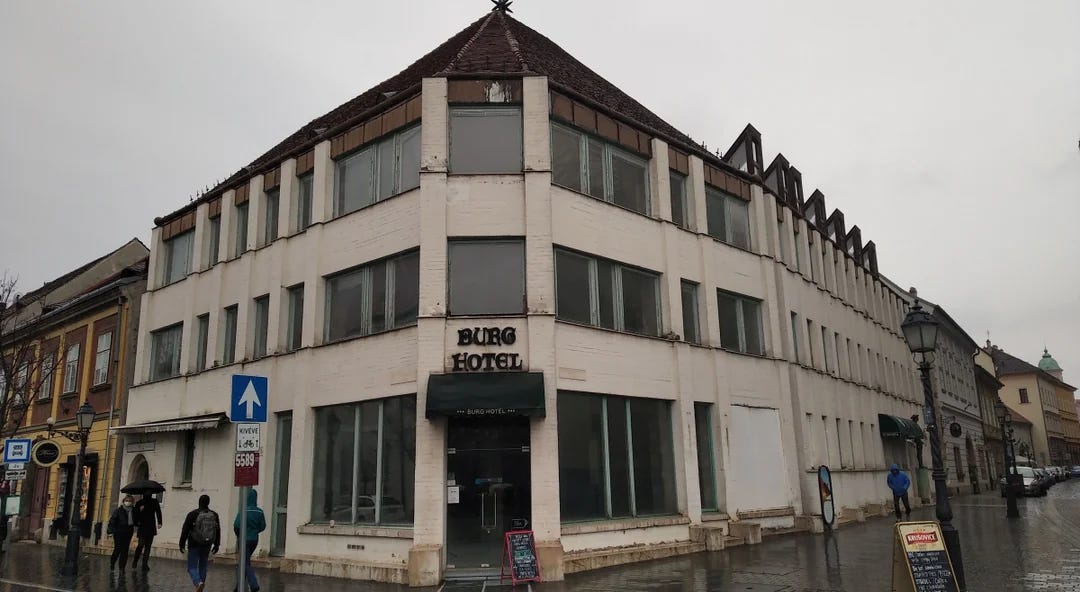
After
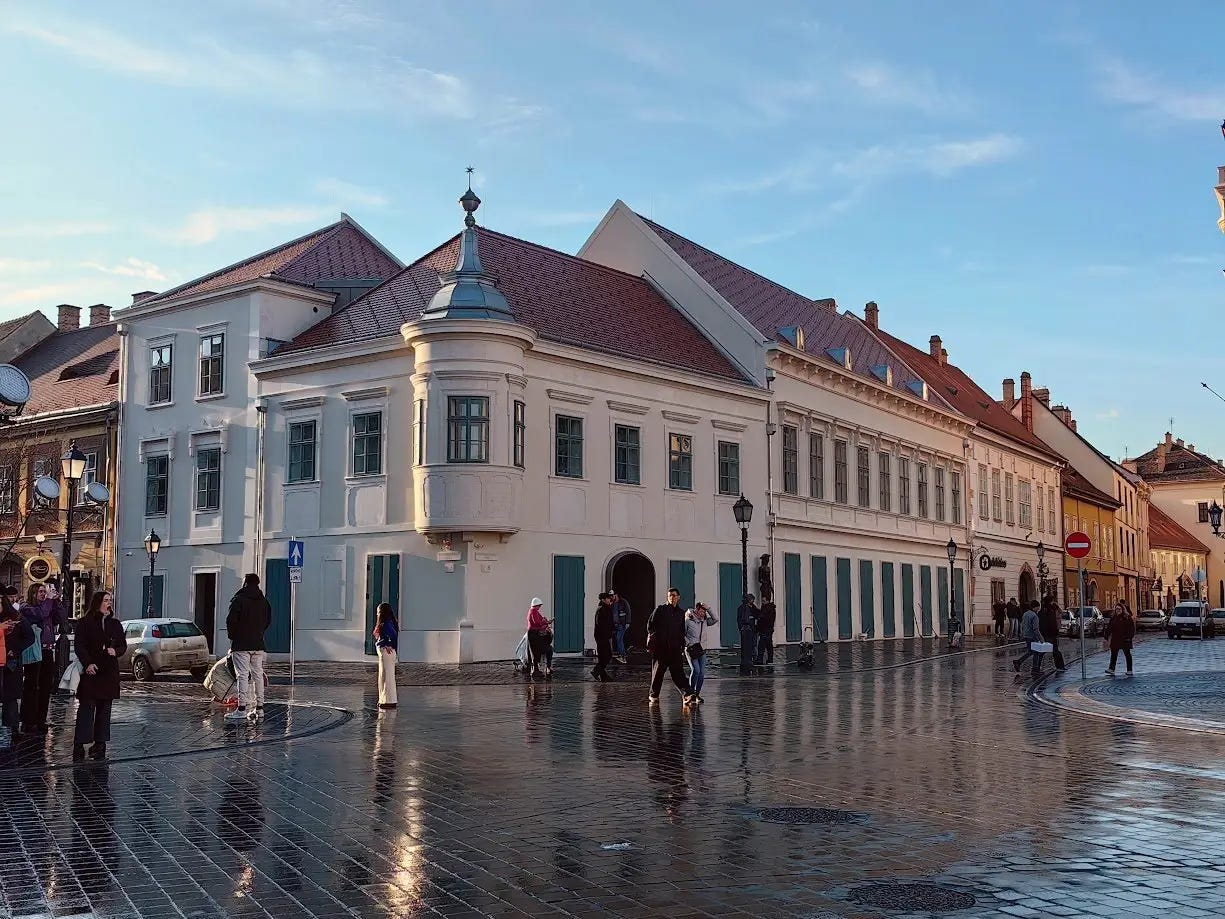
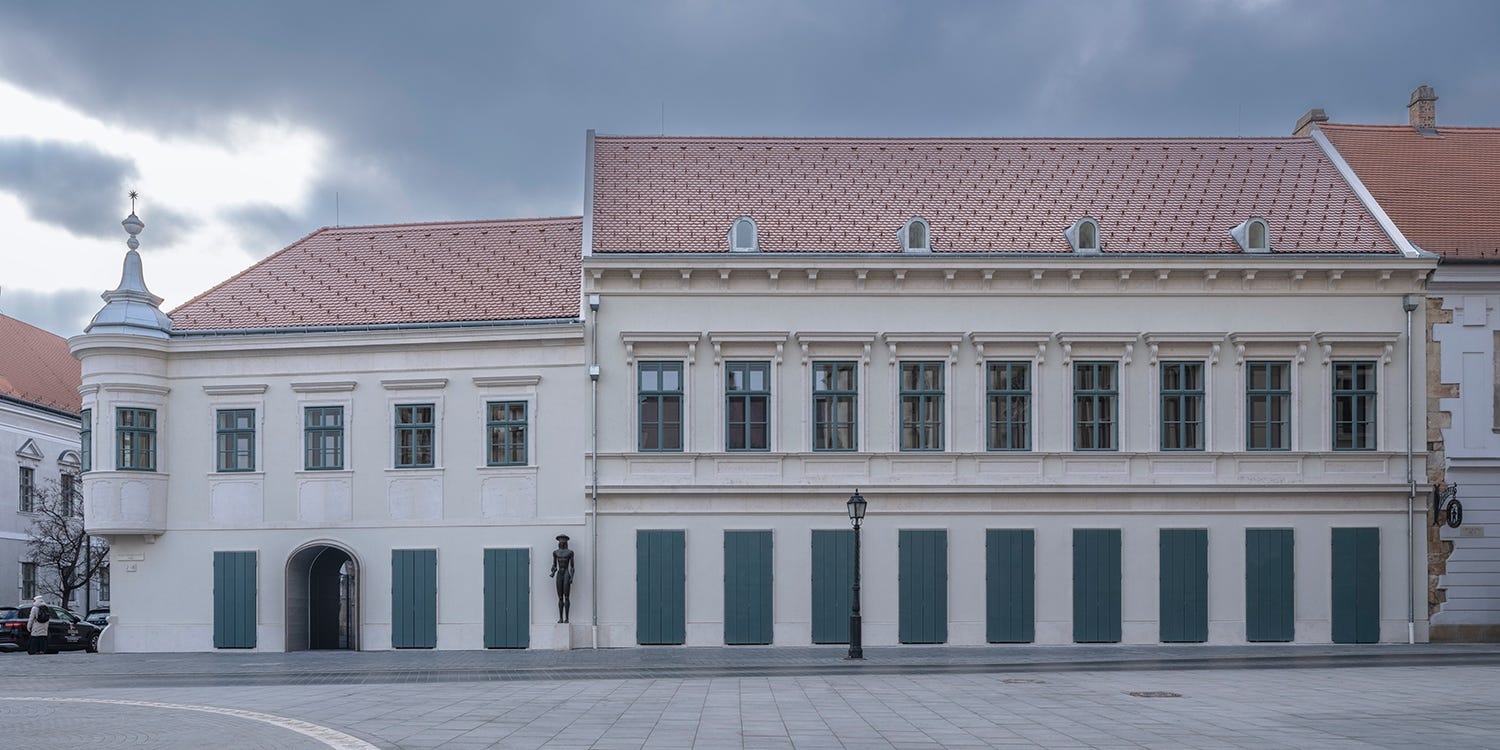
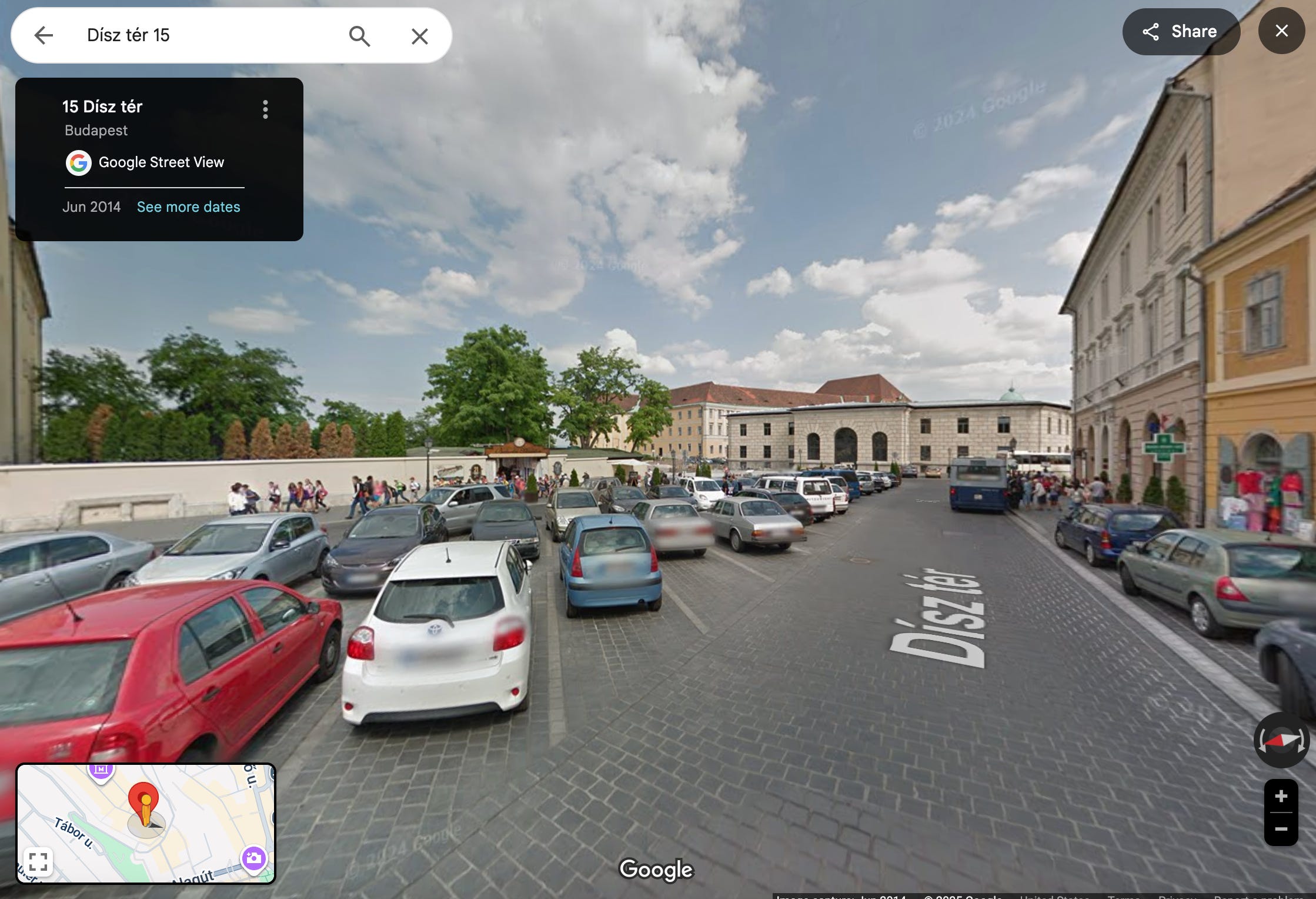
Honvéd High Command Building
Before
(Almost) After (from this wonderful Youtube Video, with the Hungarian Red Cross Building at Left)
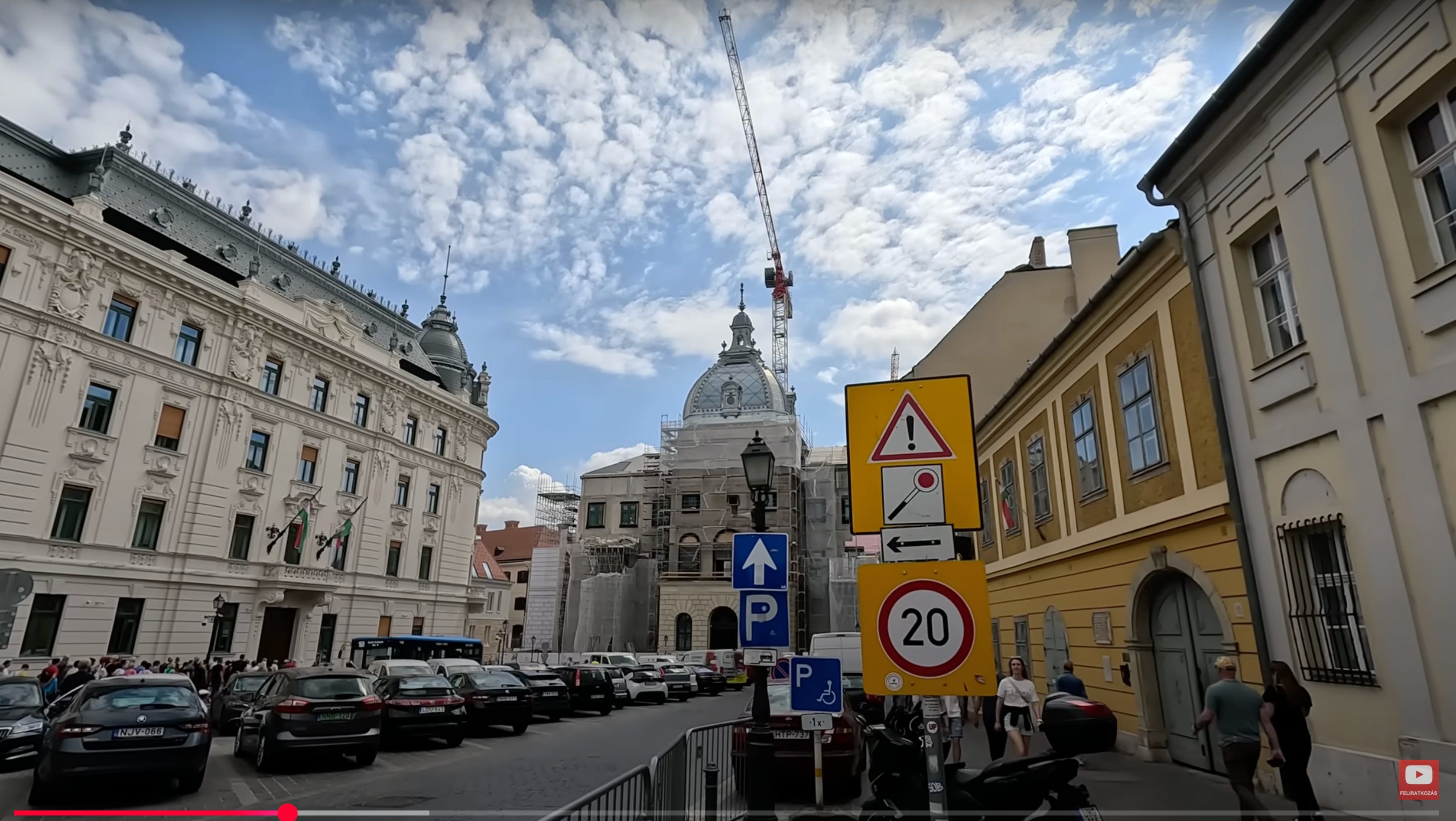
Historic Reference (Completed 1895 - 1897)
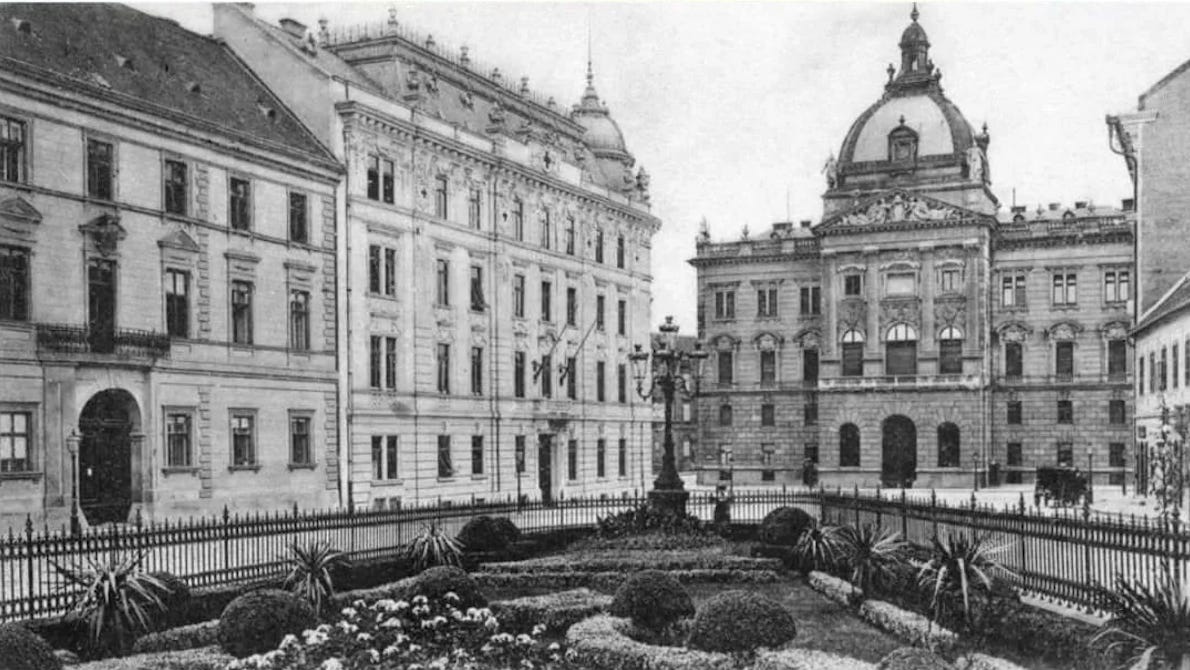
Hungarian Red Cross Headquarters
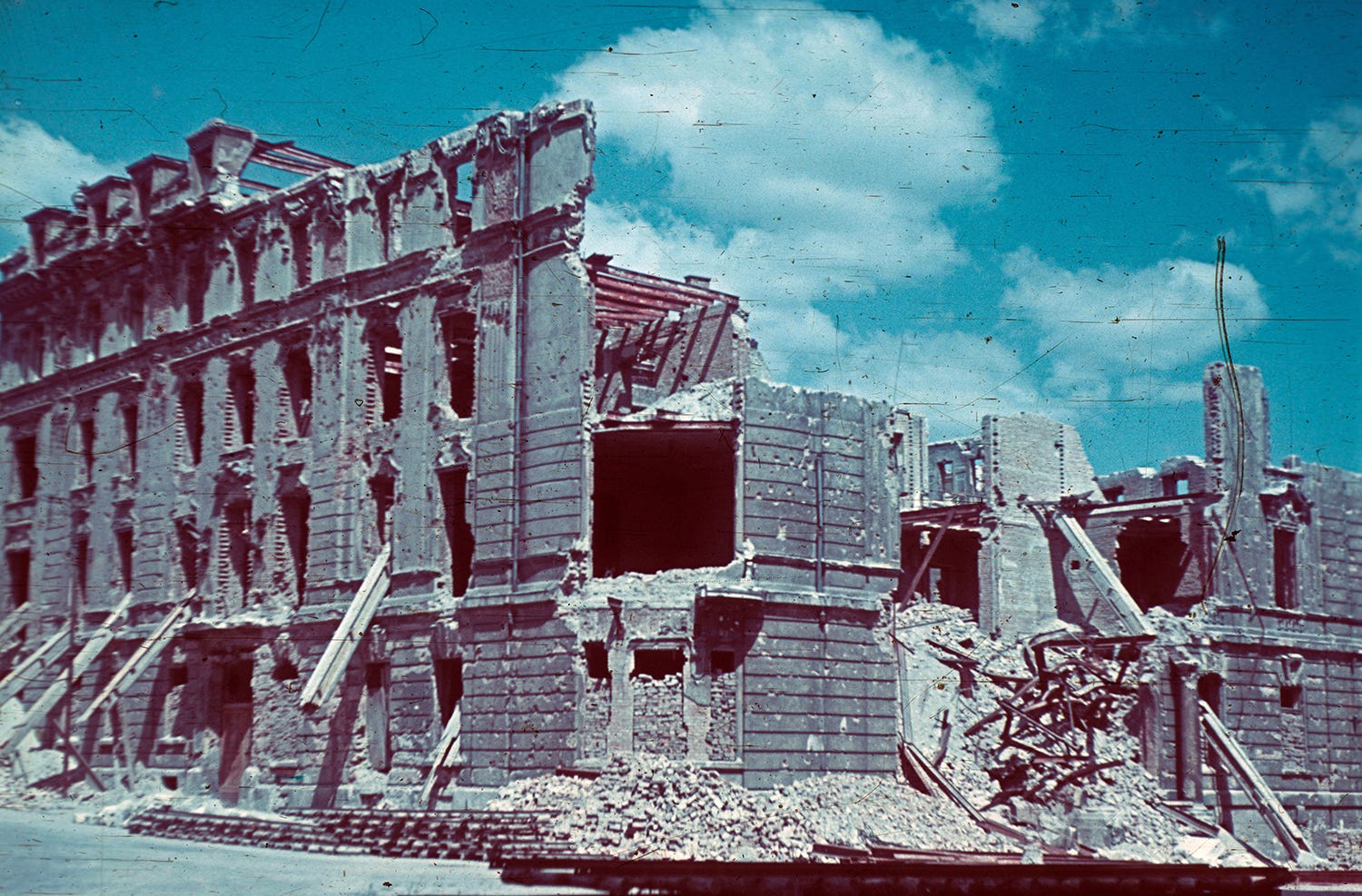
Before
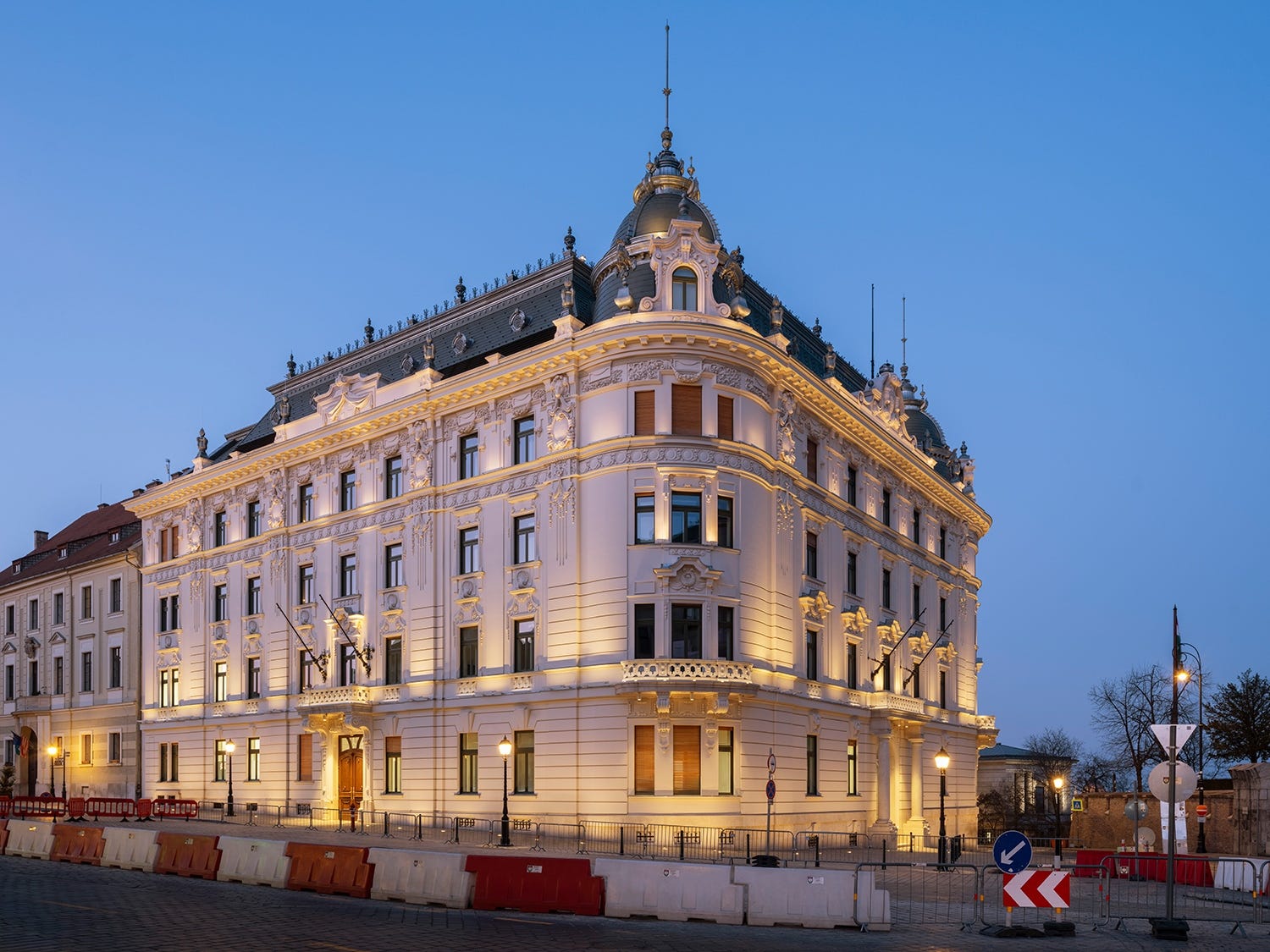
After
Historic Reference (Completed 1902)
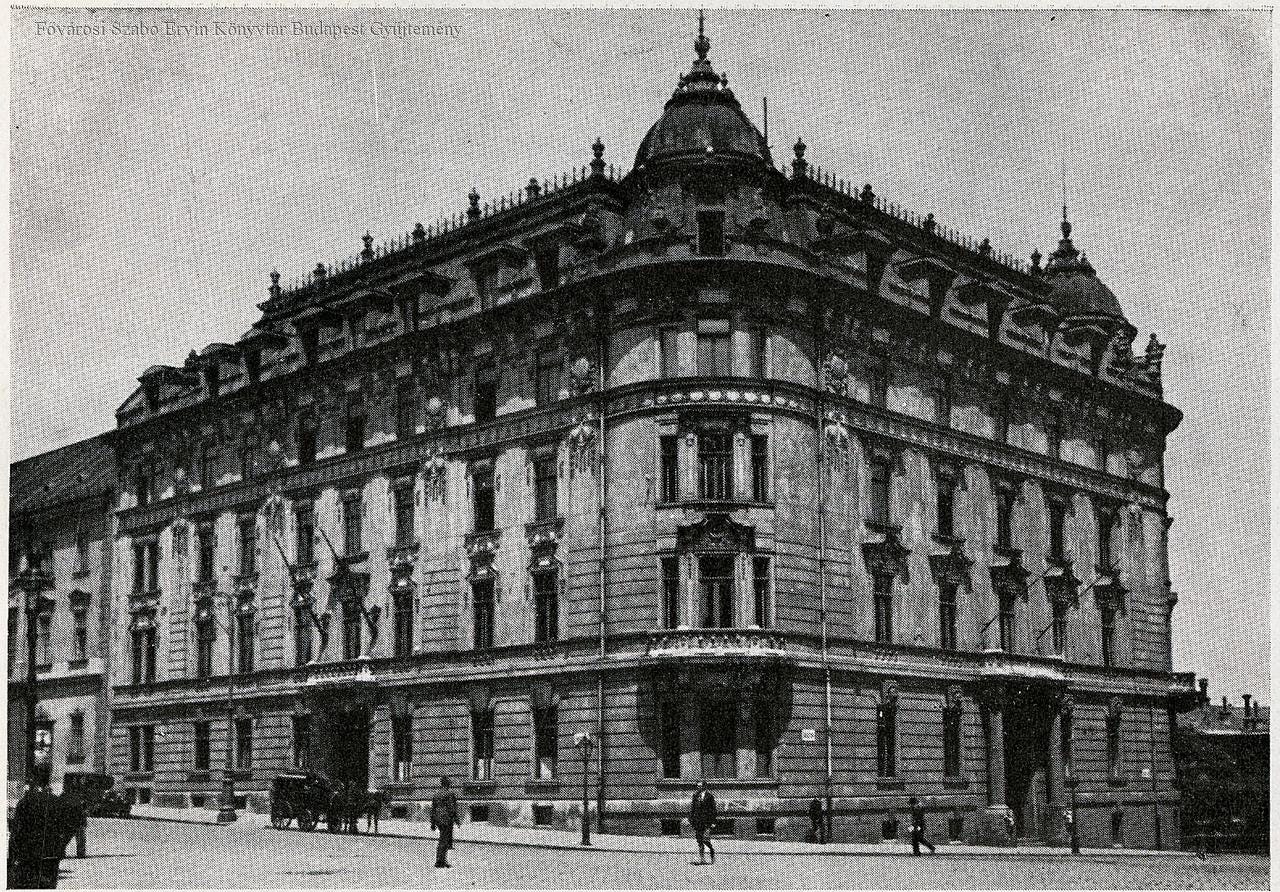
Carmelite Monastery (Modest Exterior Renovation, Extensive Interior Work)
After
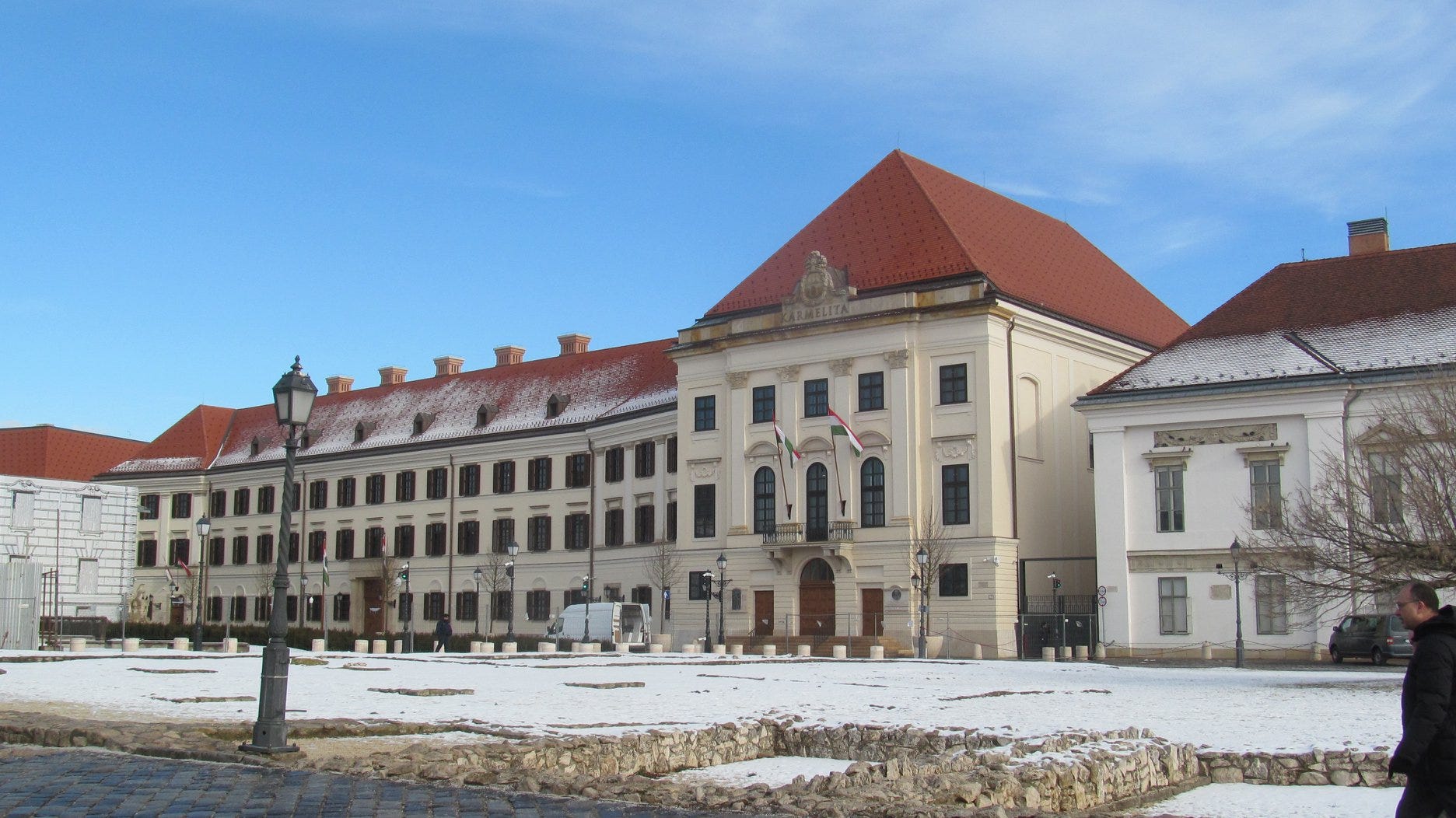
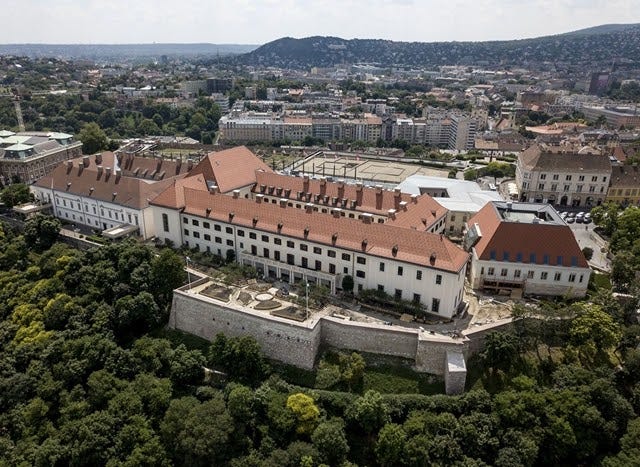
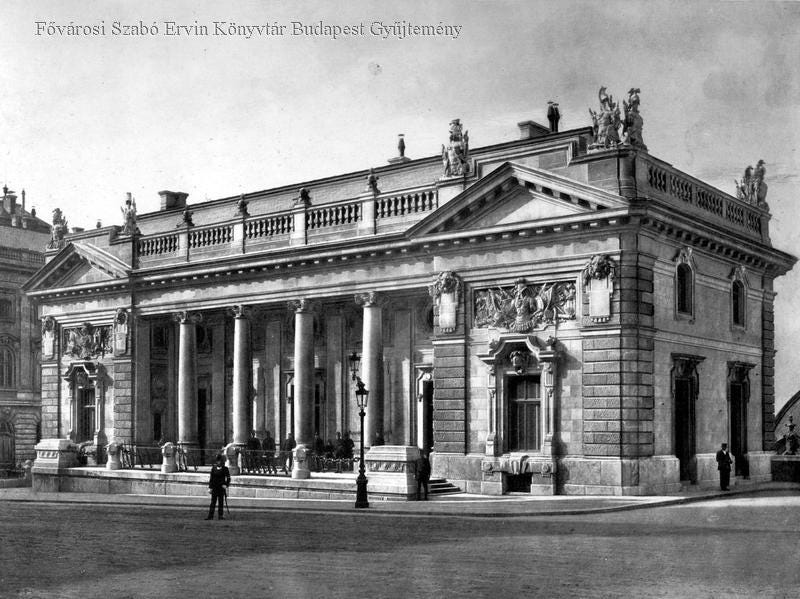
Buda Castle Royal Riding Hall
Before
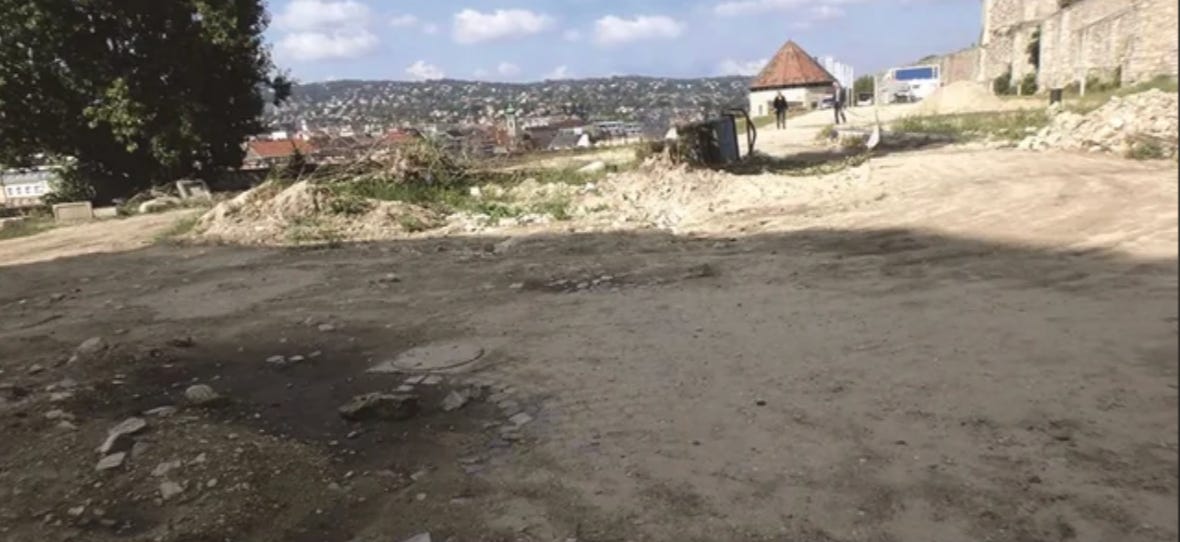
After
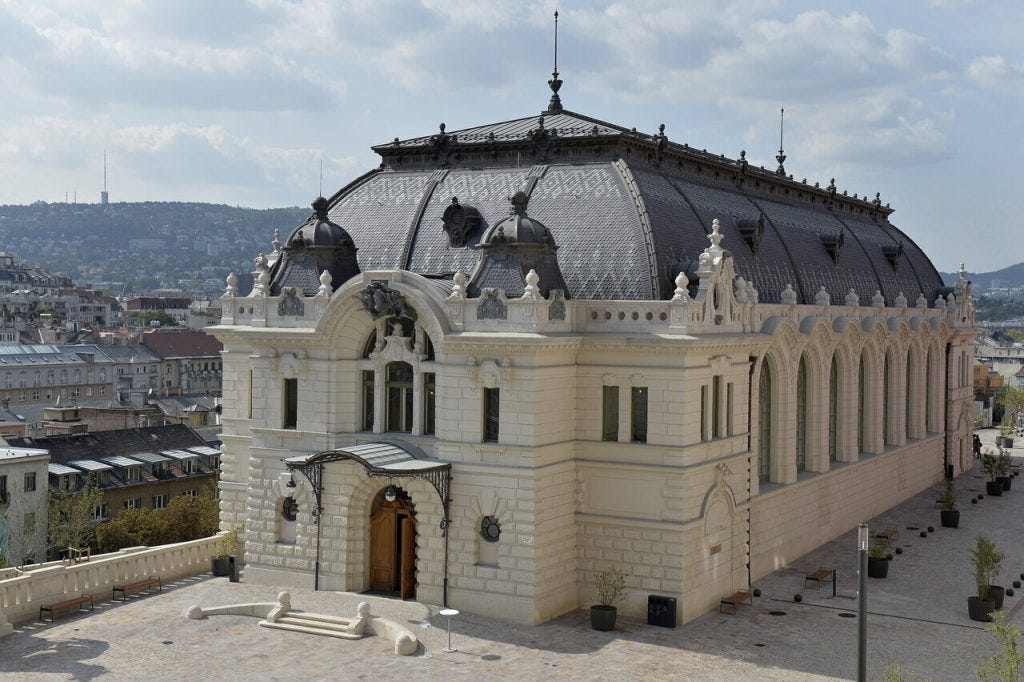
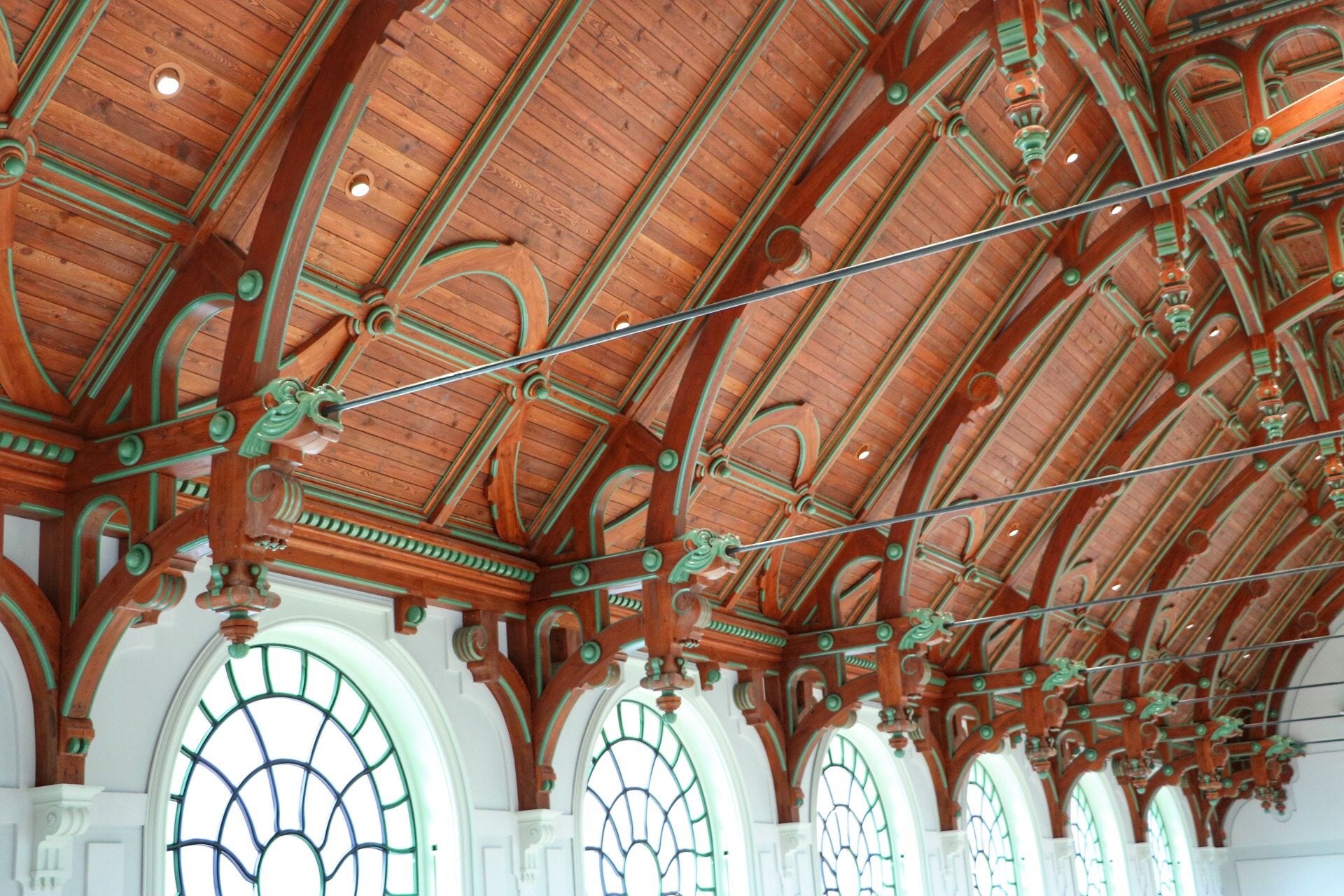
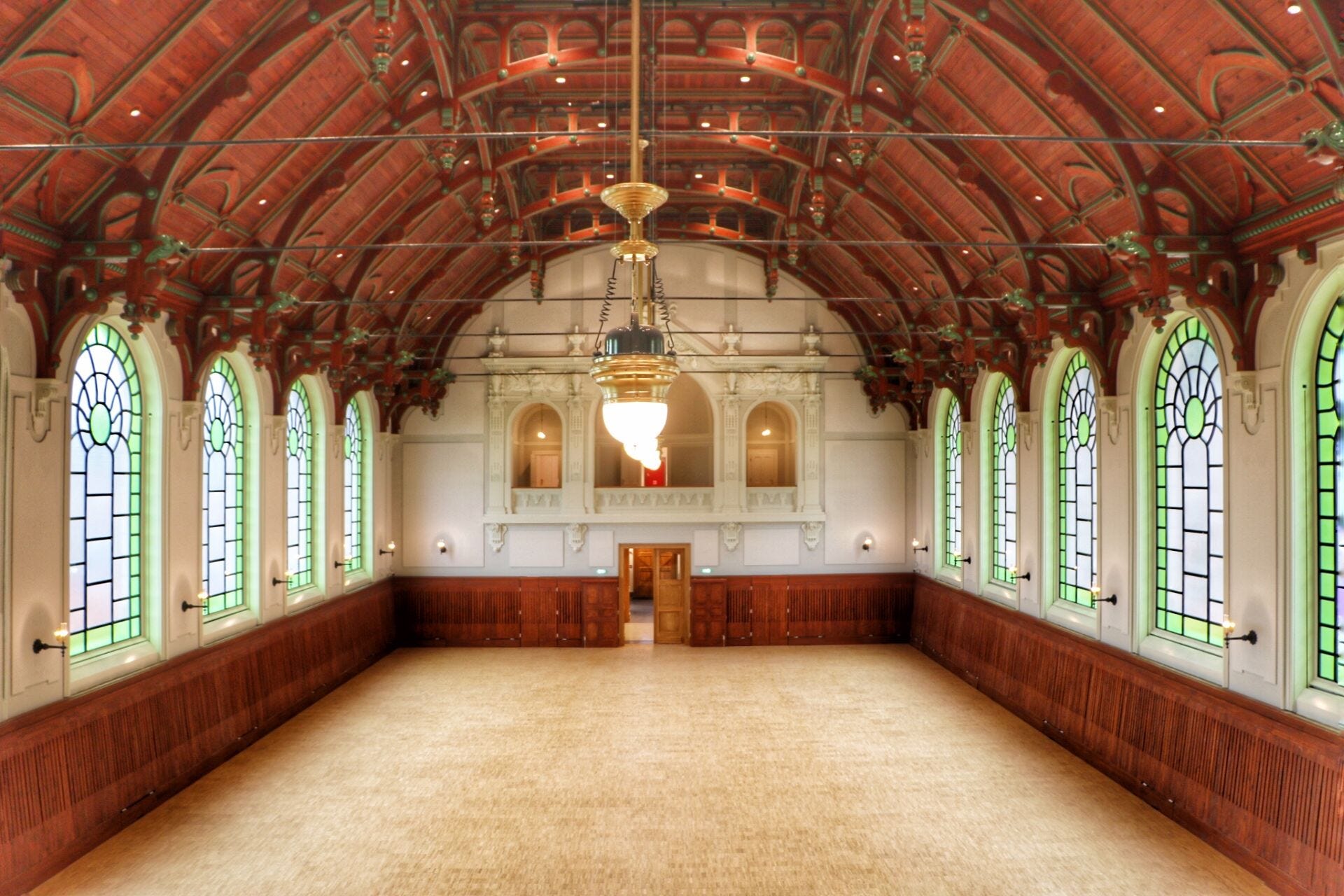
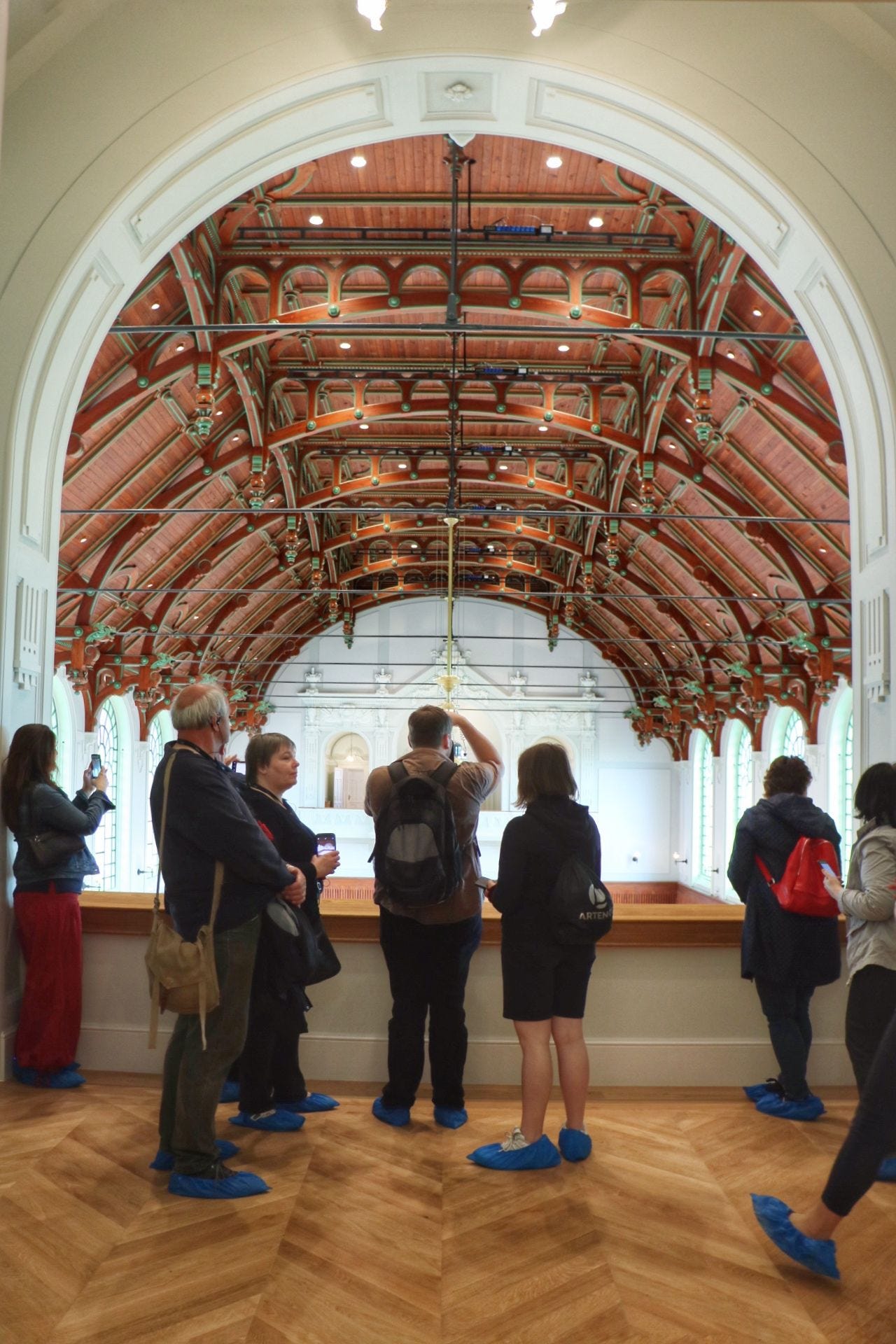
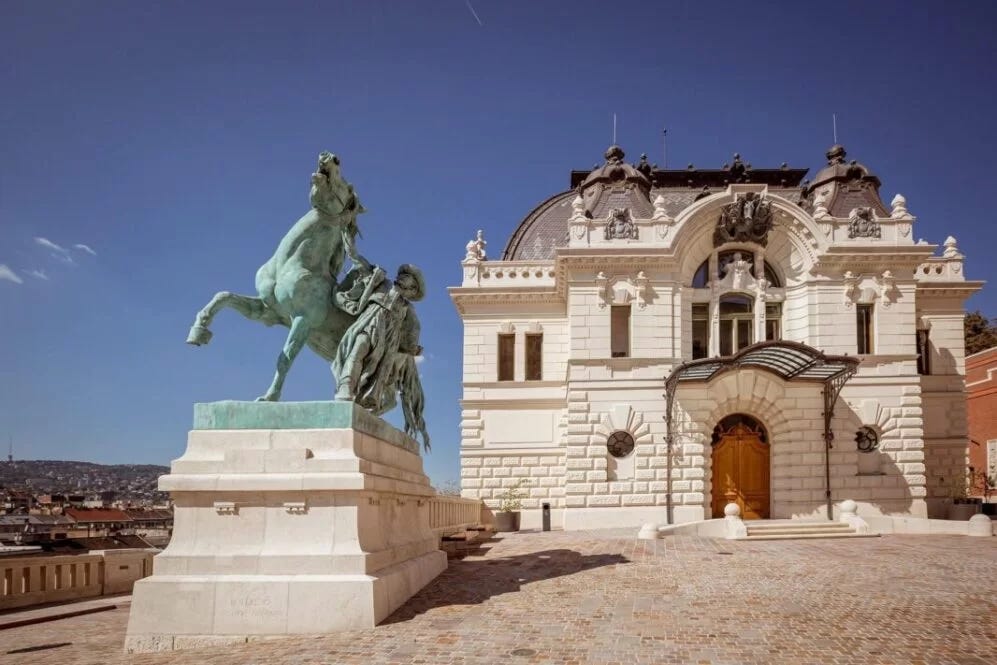
Historic Reference (Completed 1899 - 1902)
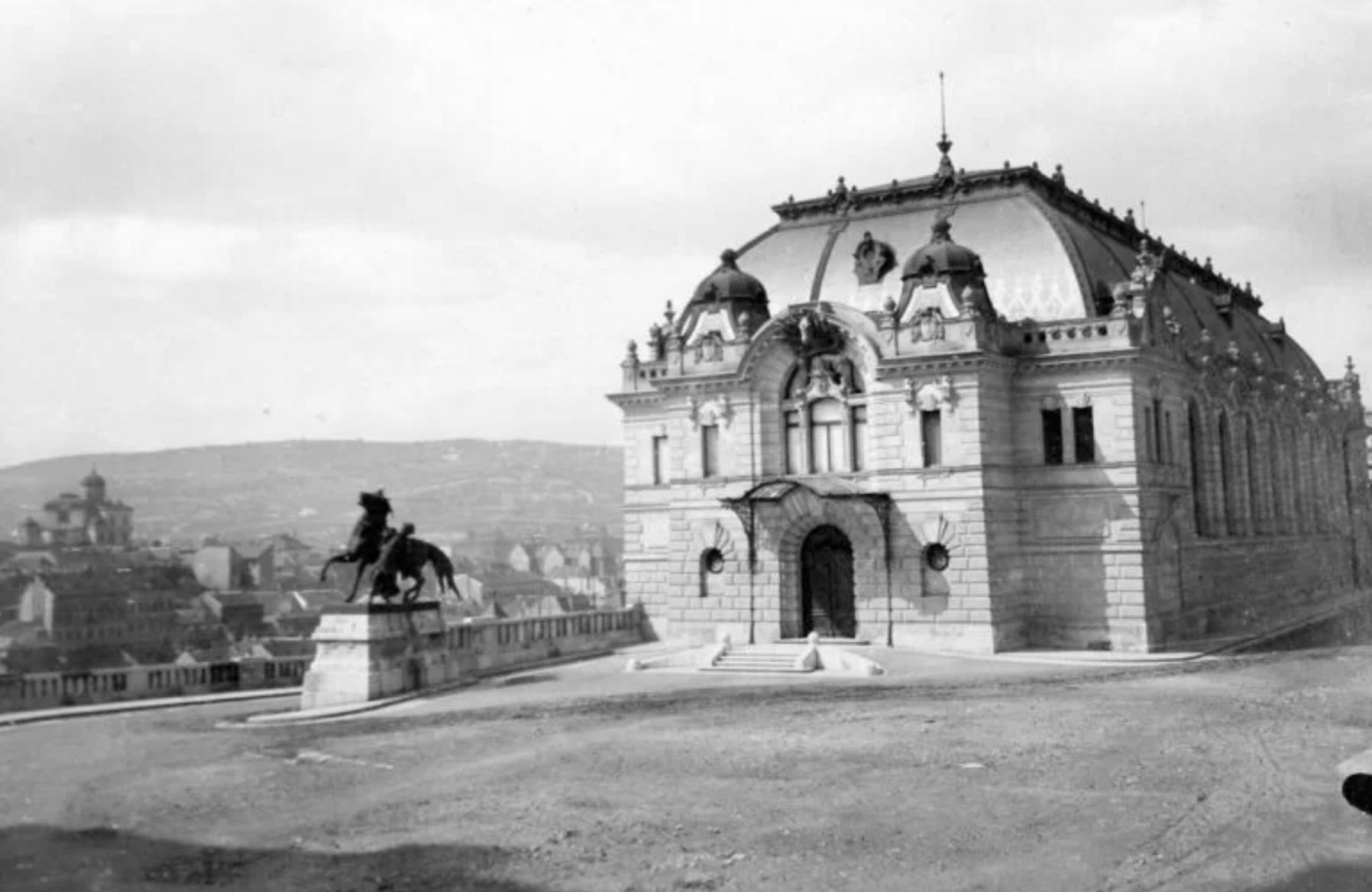
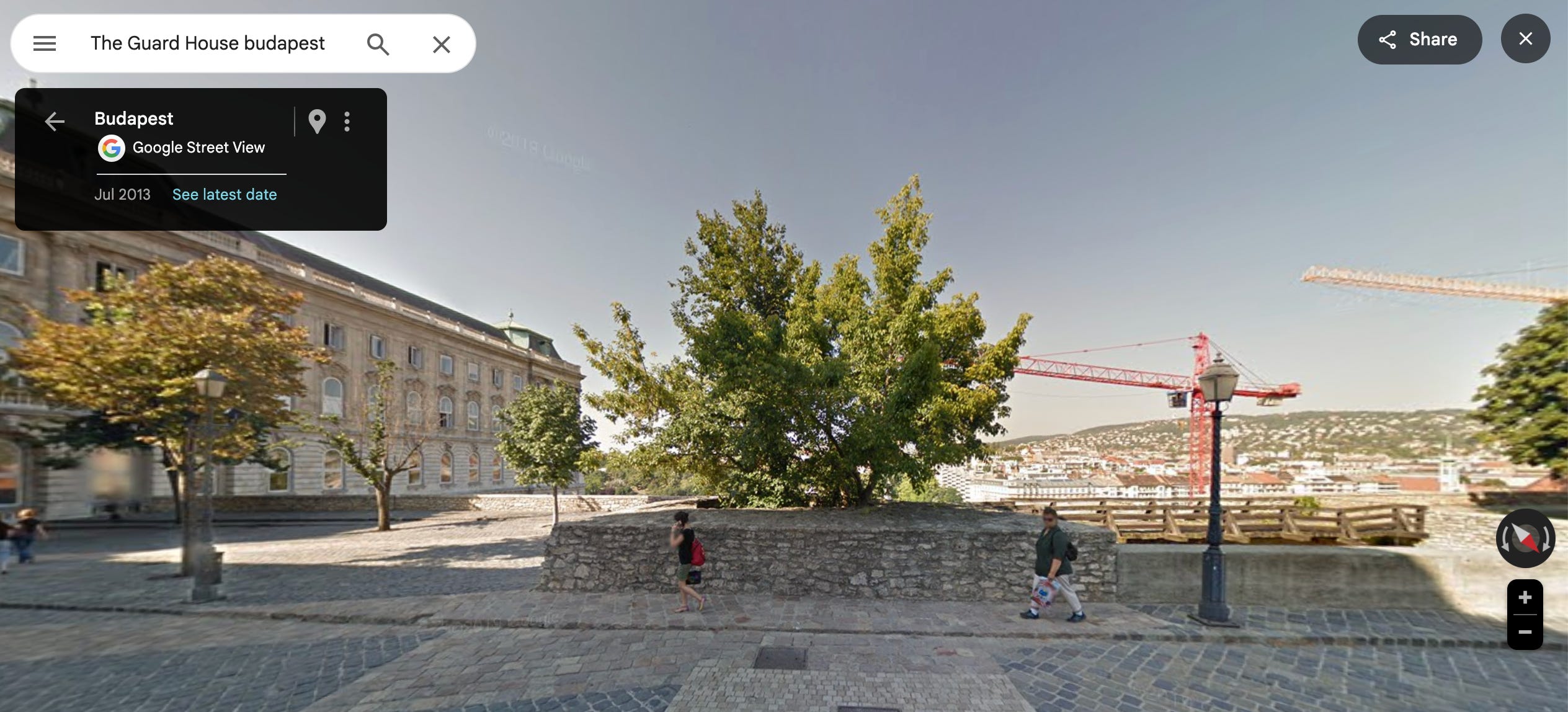
The Guard House (Főőrség)
Before
After
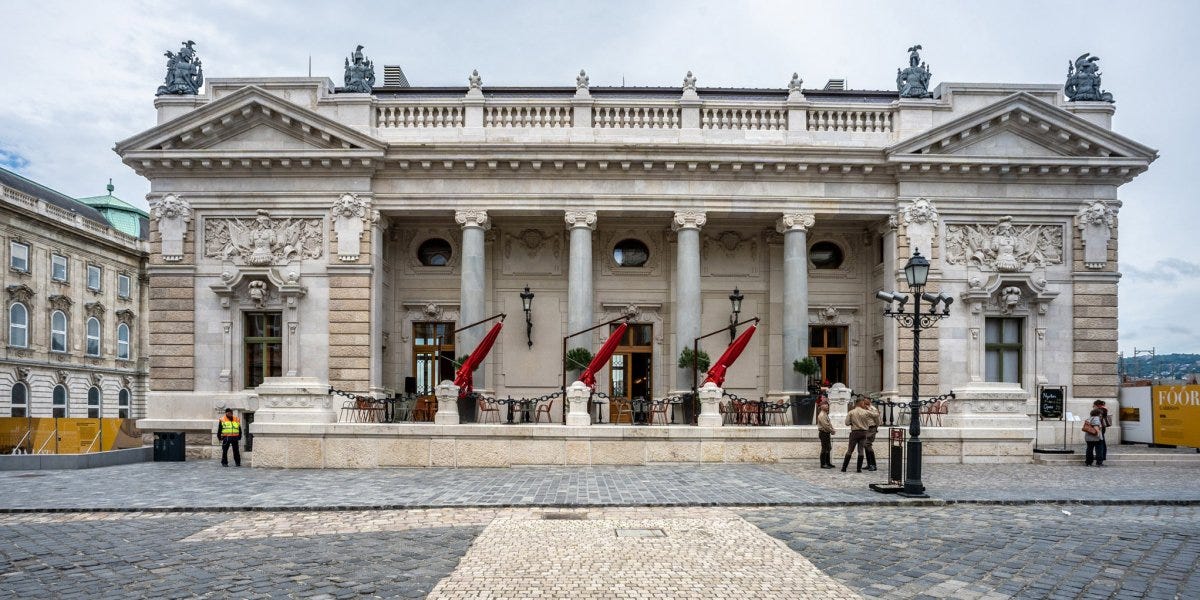
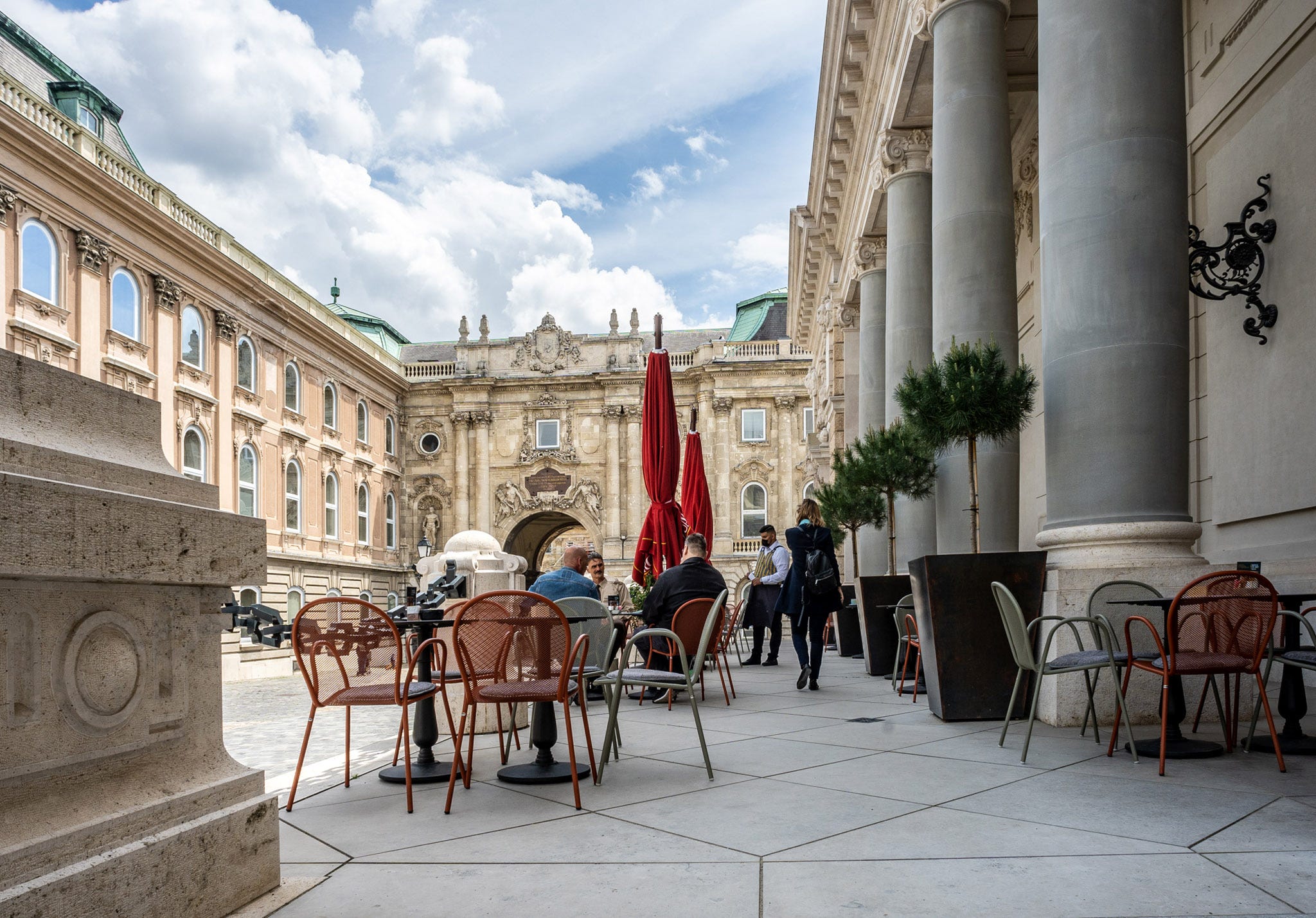
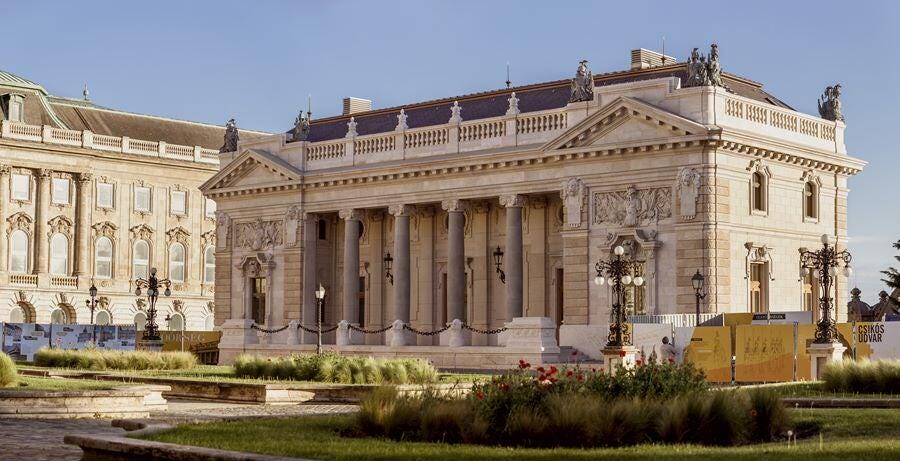
Historic Reference (Completed 1901 - 1903)
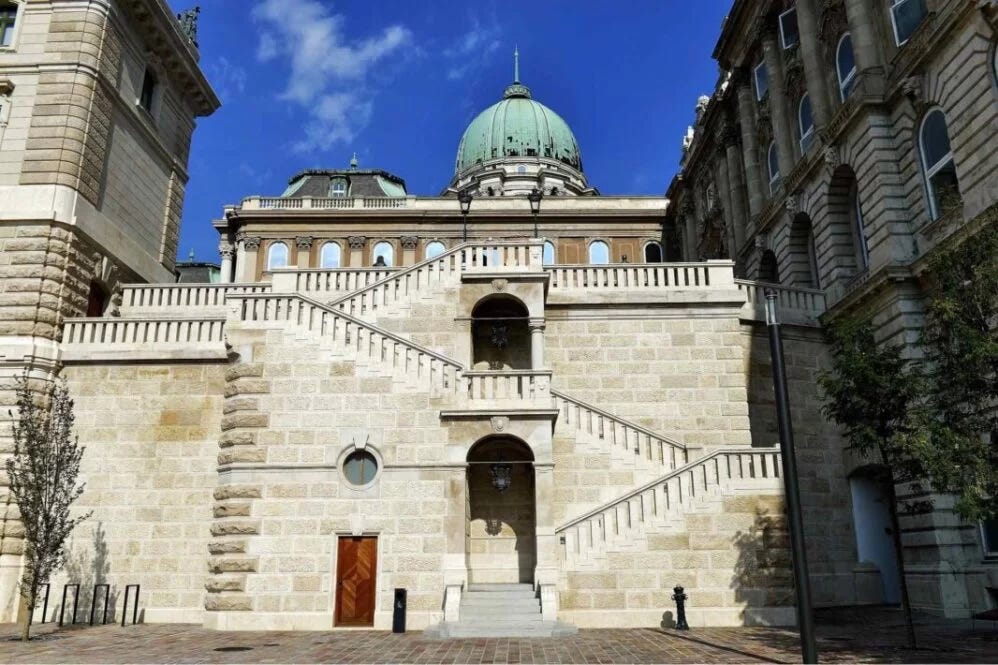
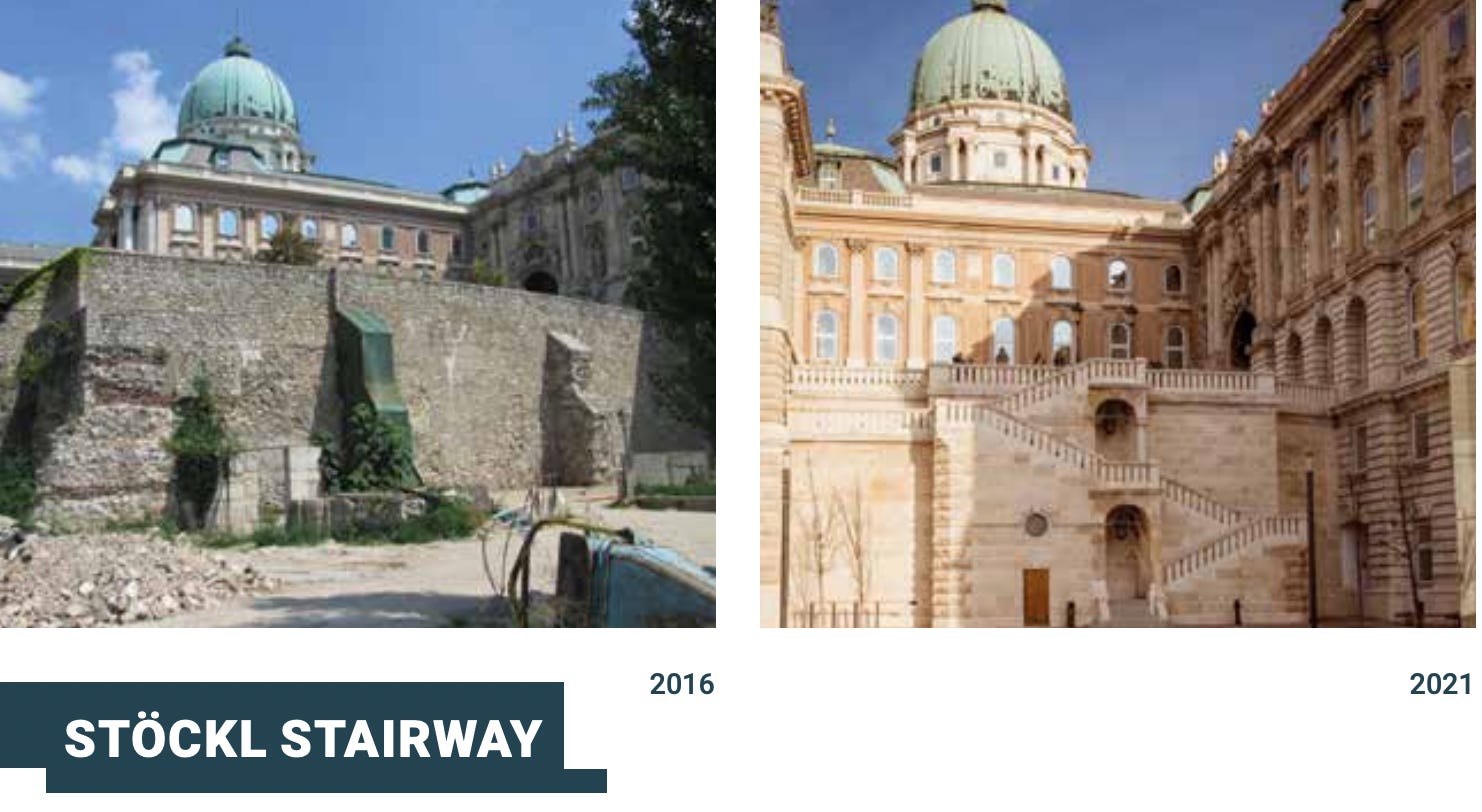
Stöckl Staircase
Historic Reference (Completed 1896) / Before
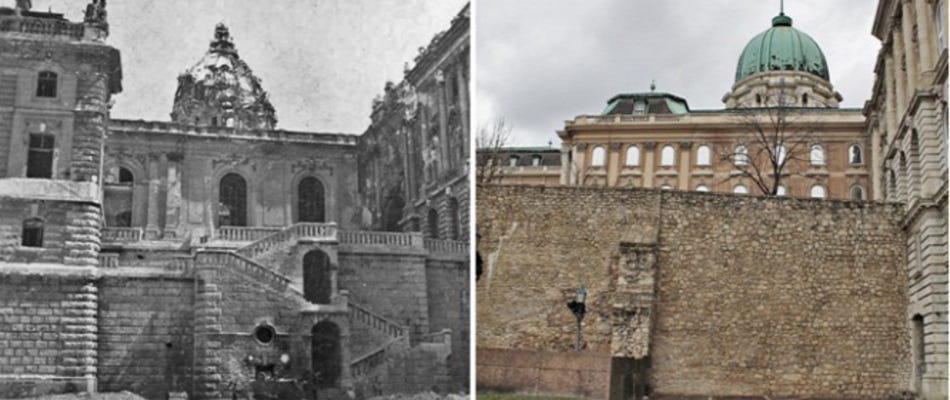
After
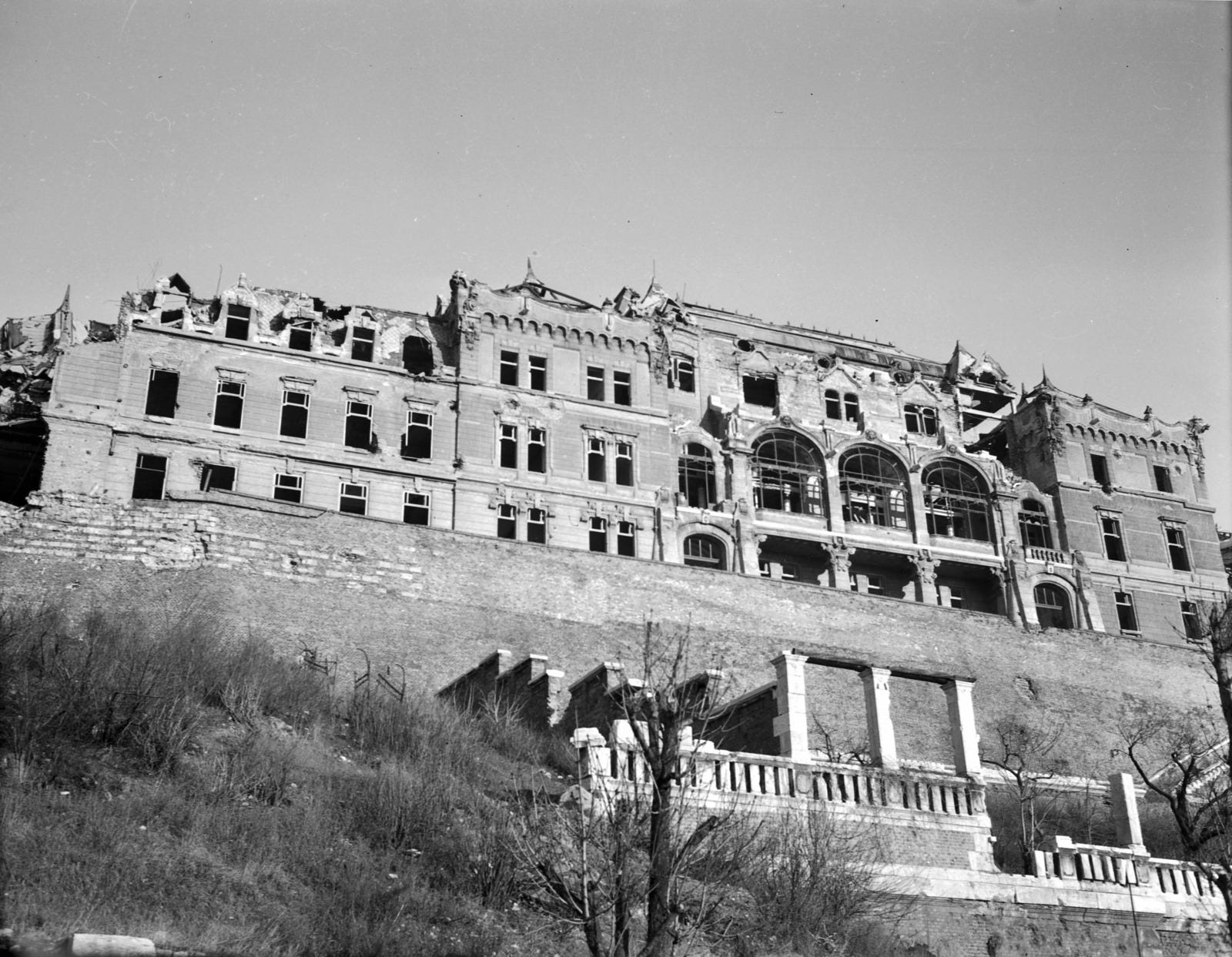
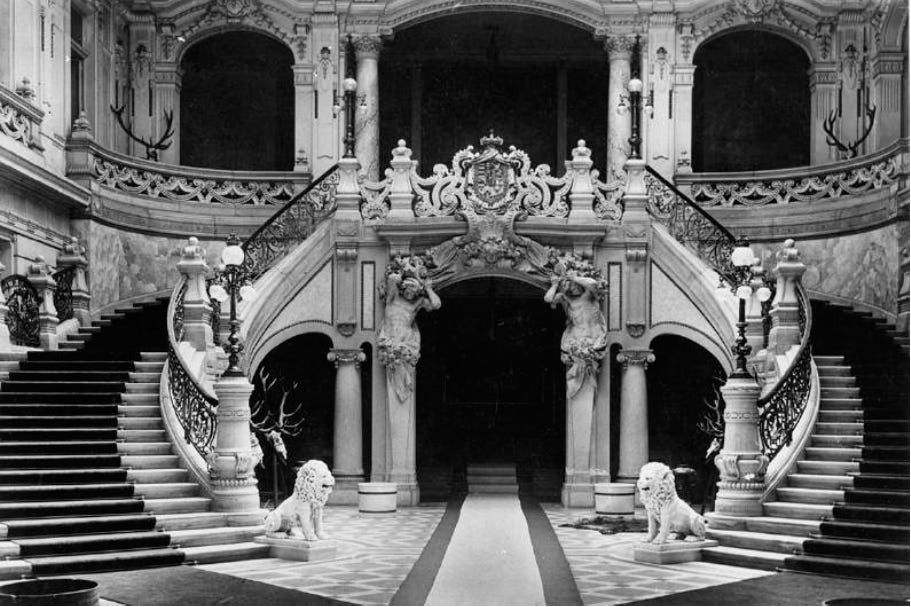
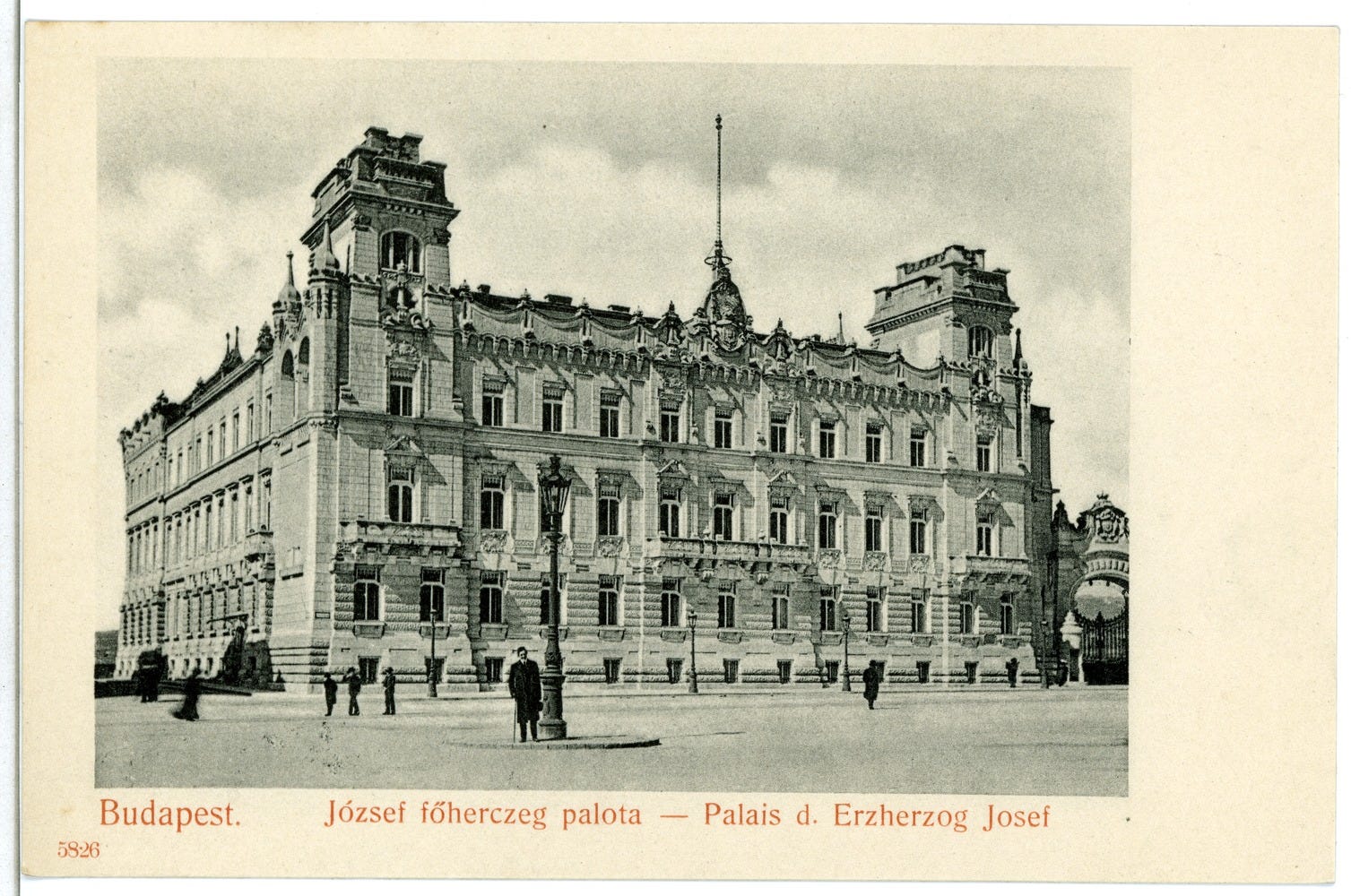
Palace of Archduke Joseph (Ongoing)
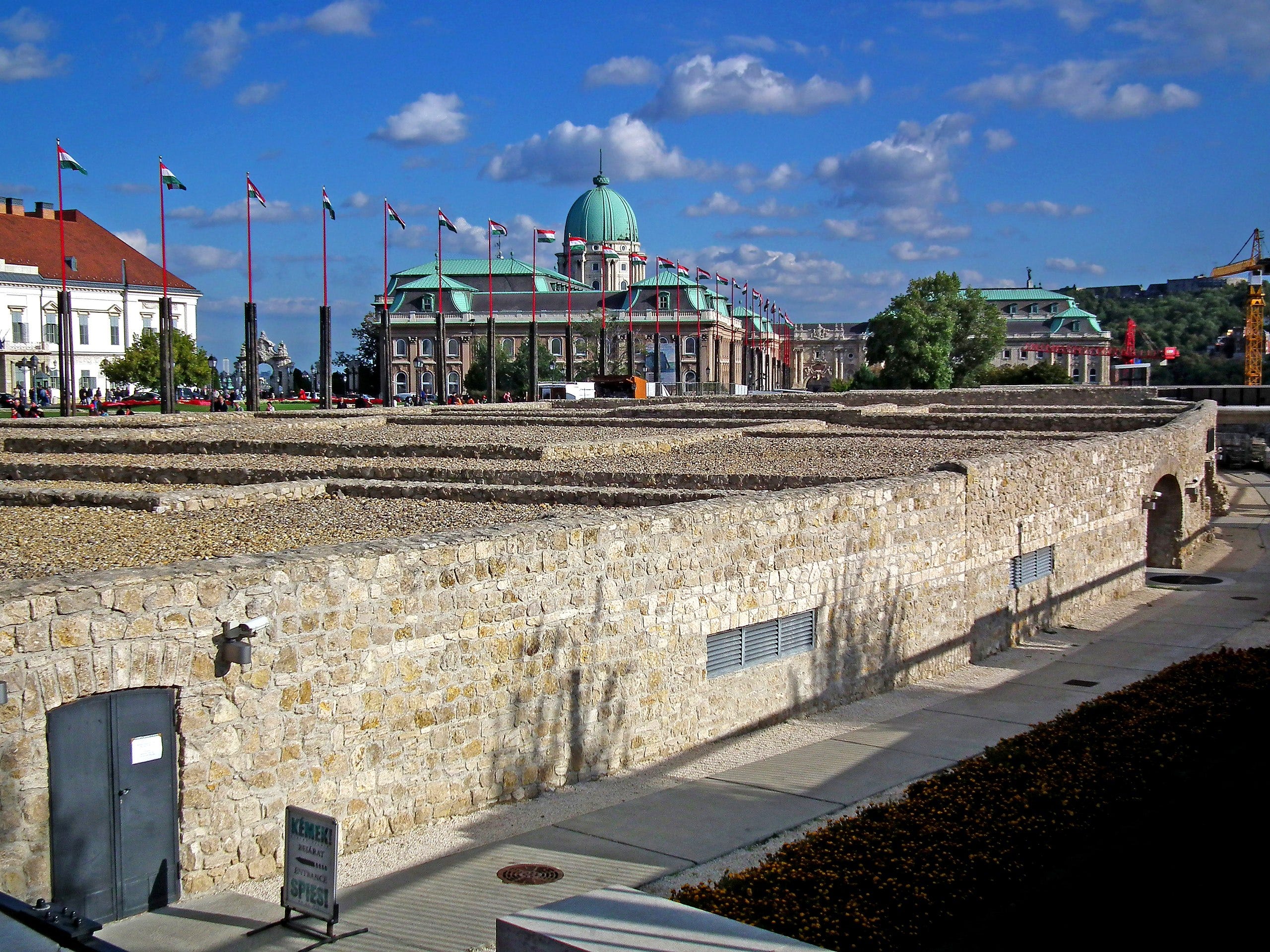
Before
Proposed / After
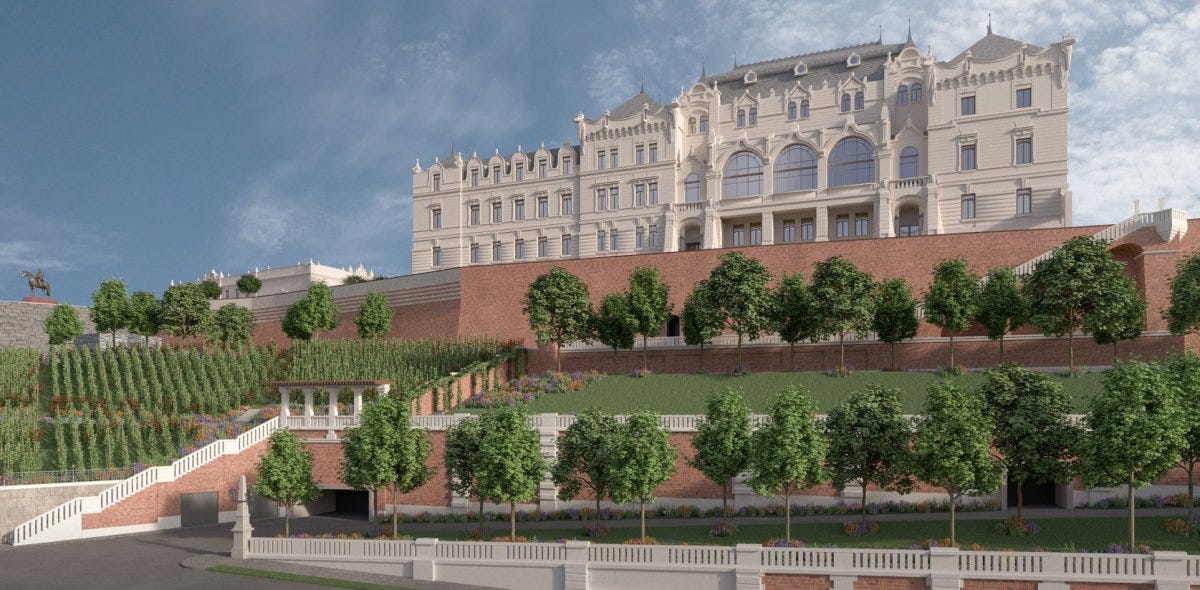
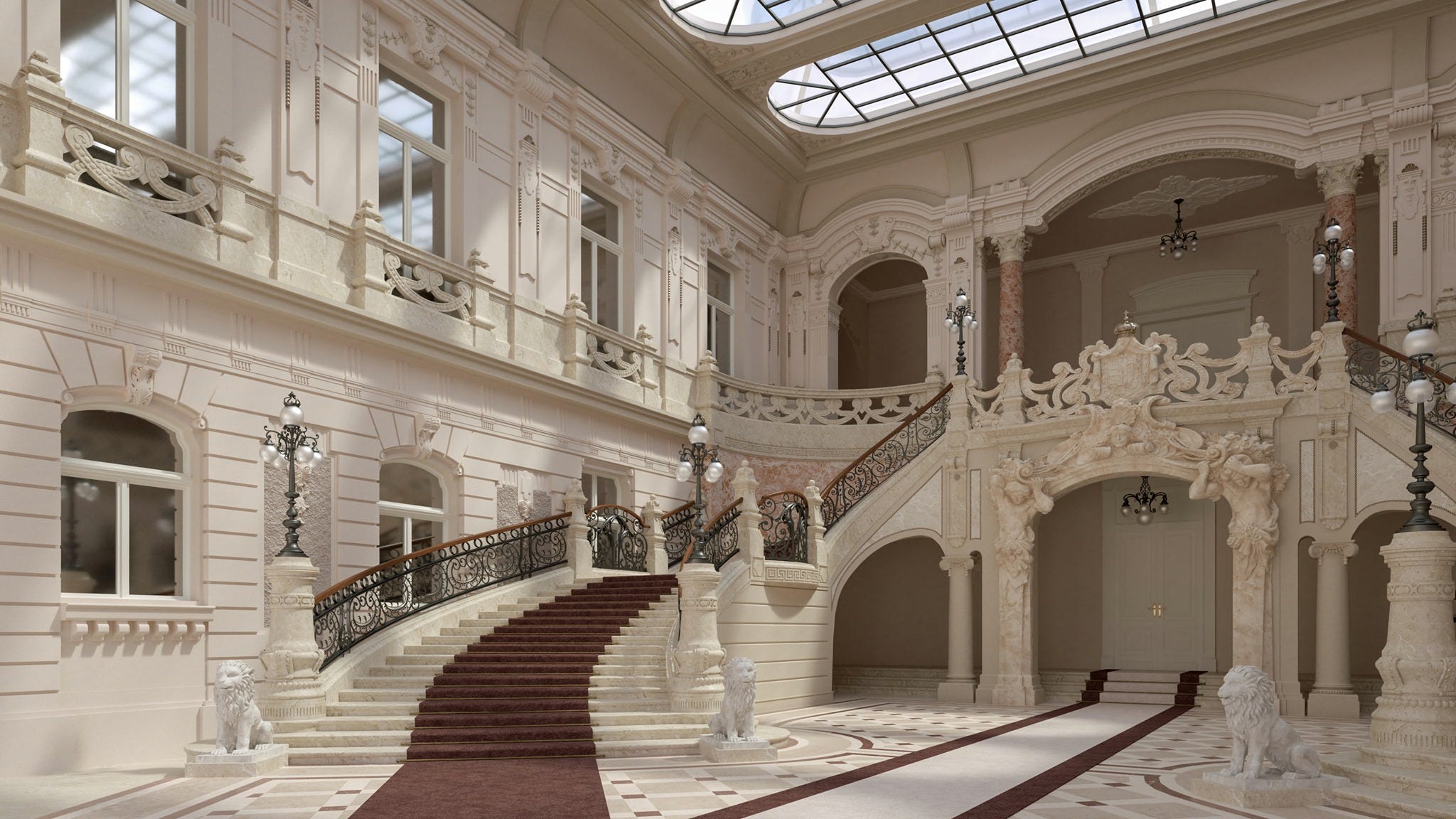
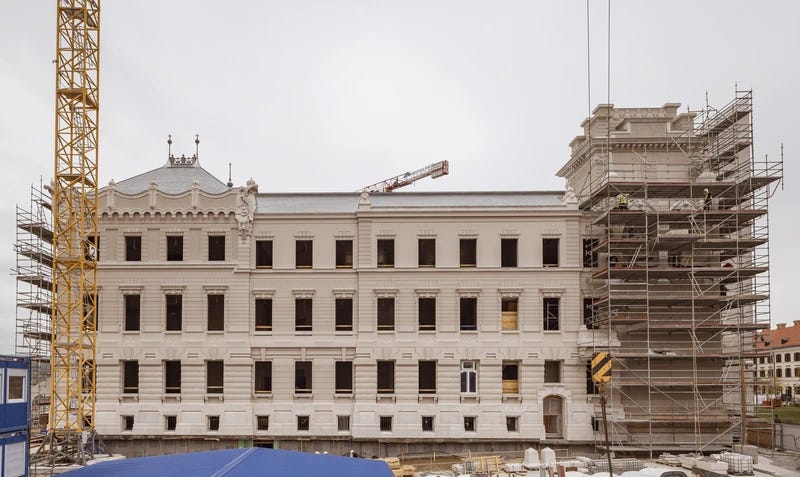
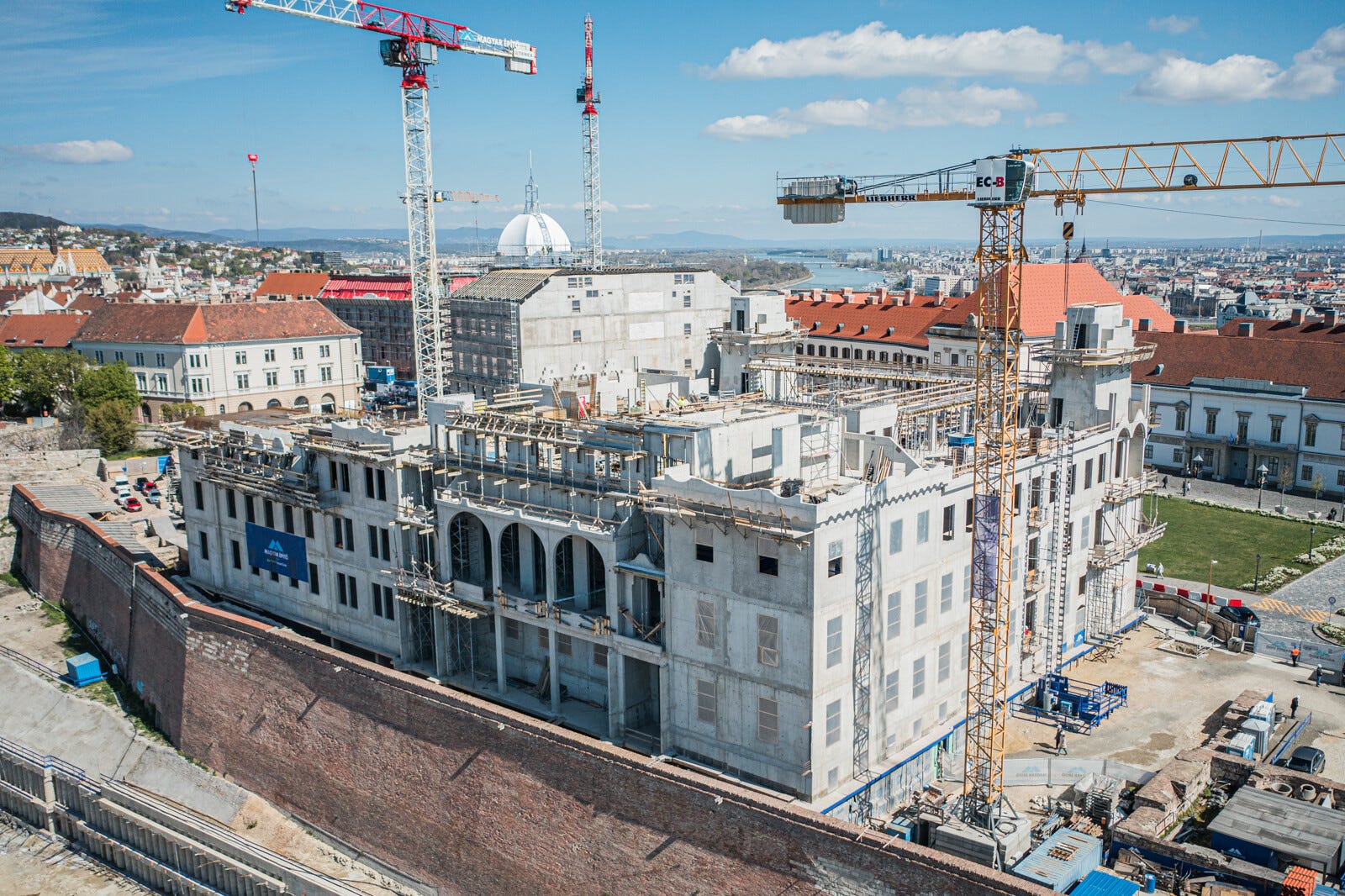
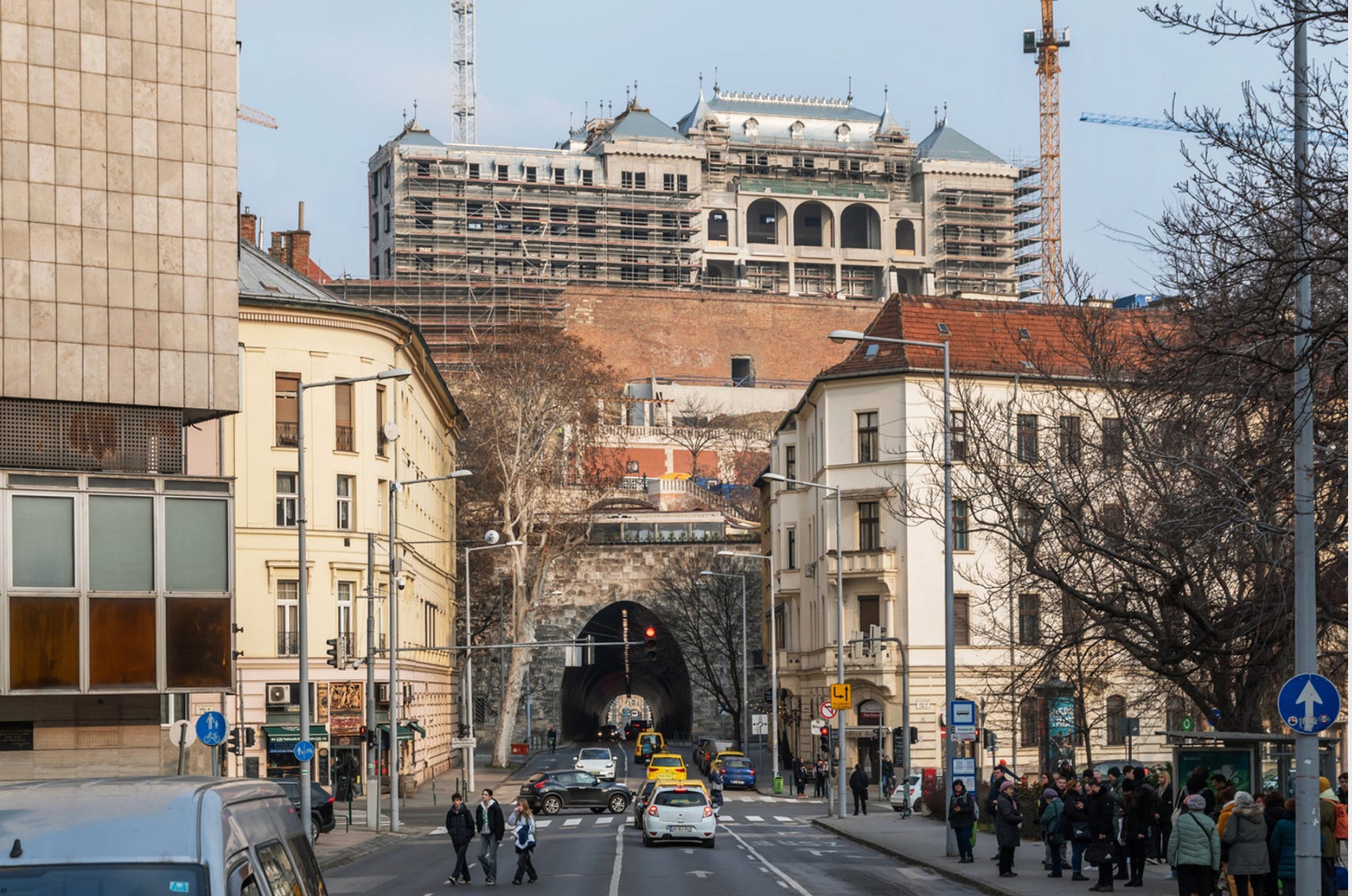
Historic Reference (Completed 1789)
Elsewhere in Budapest
Not necessarily associated with the Hauszmann Program
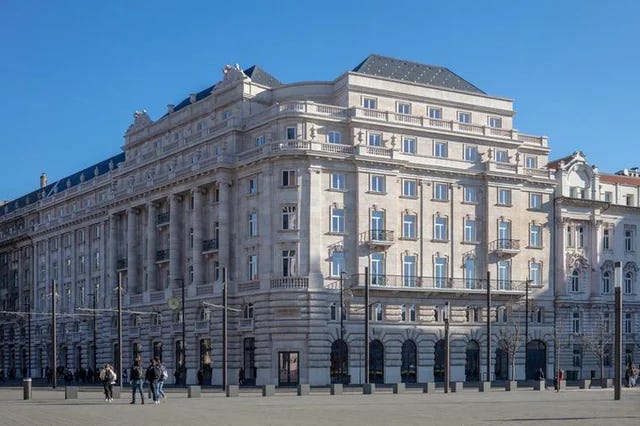
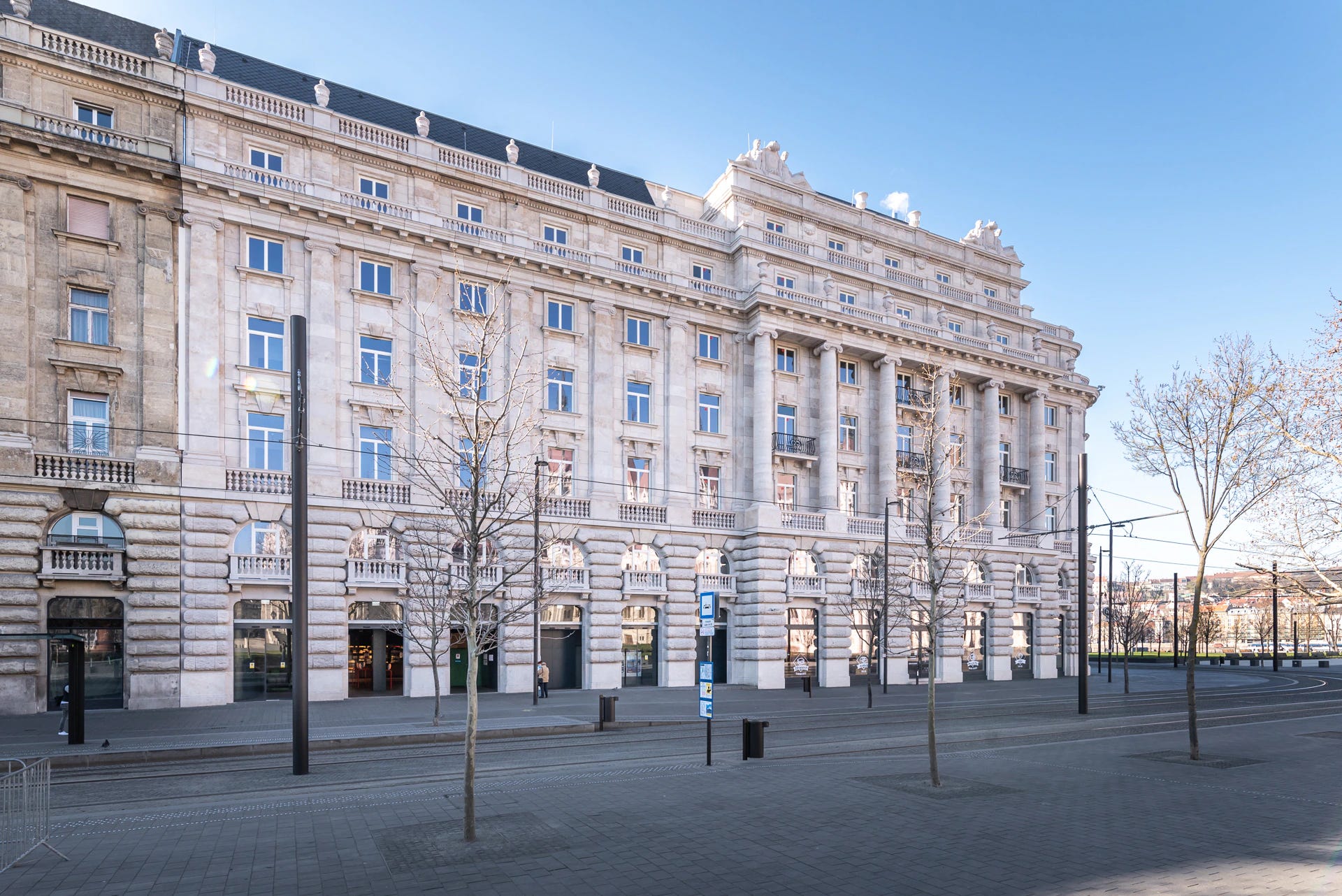
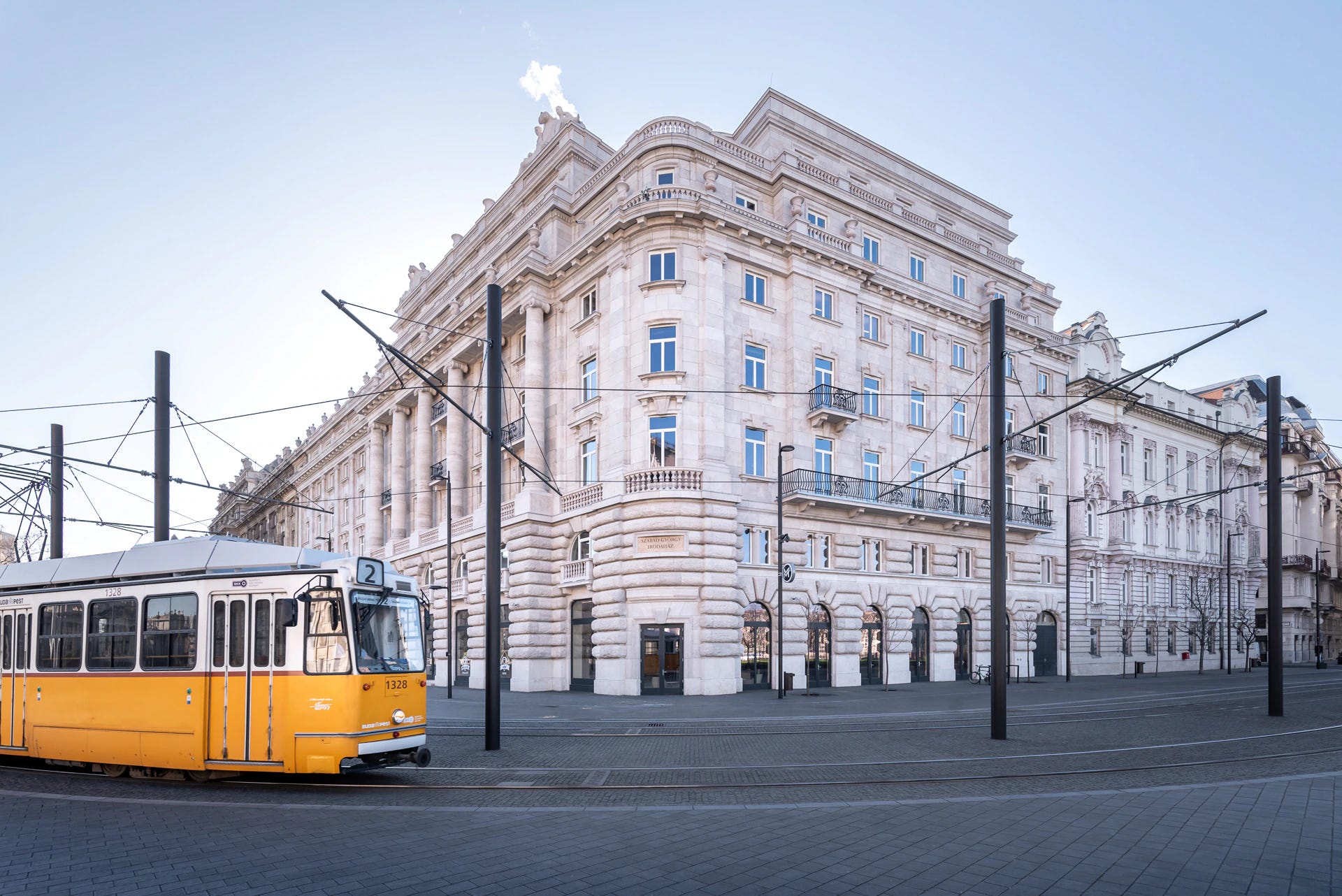
Szabad György Office Building
Before
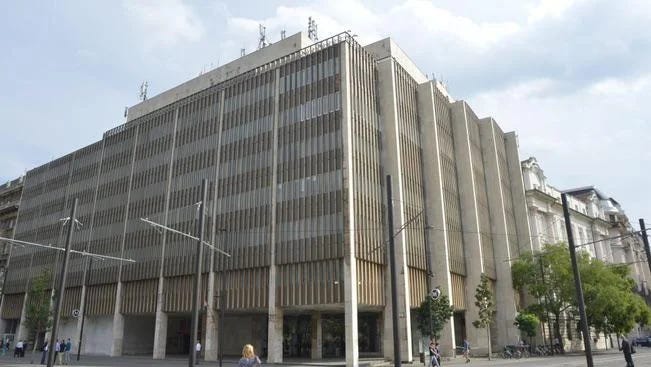
After
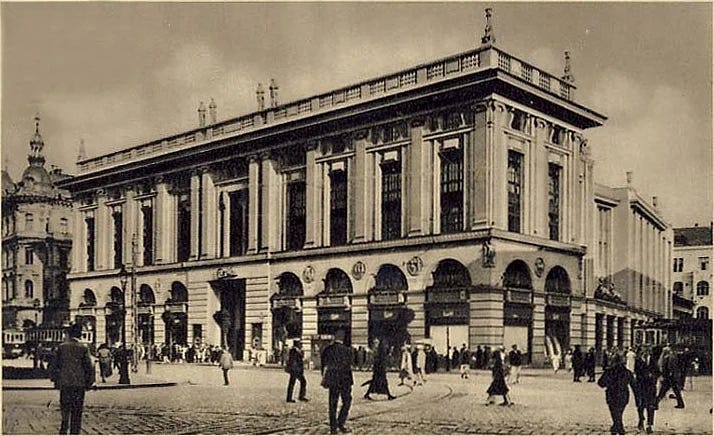
Corvin Palace
Before
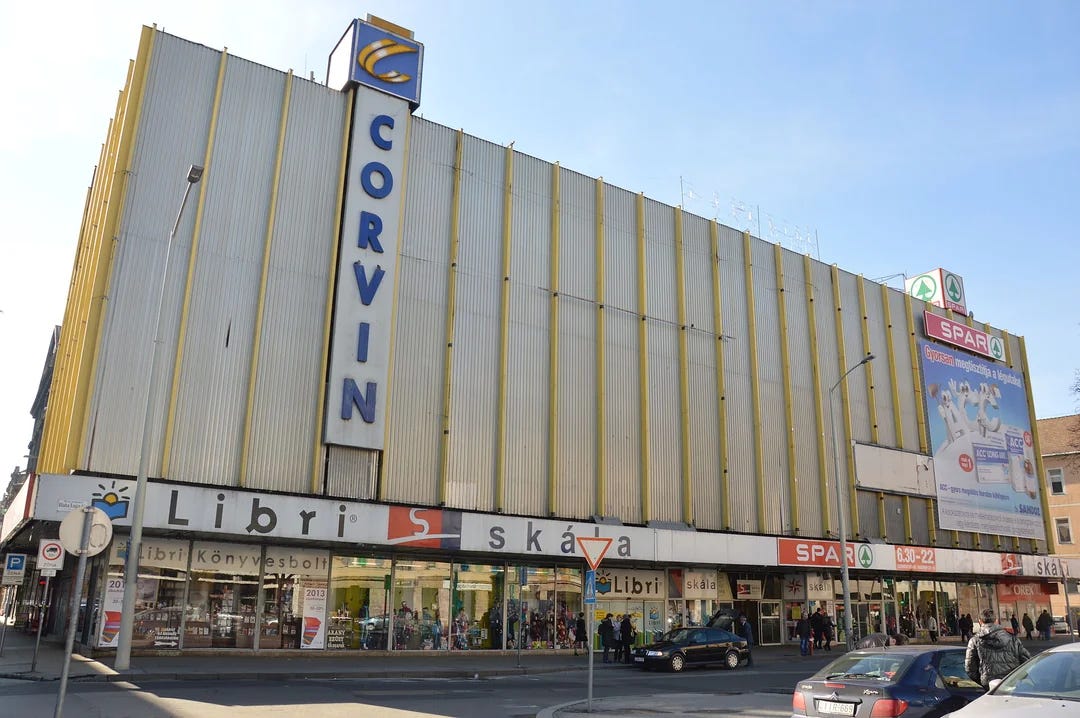
After
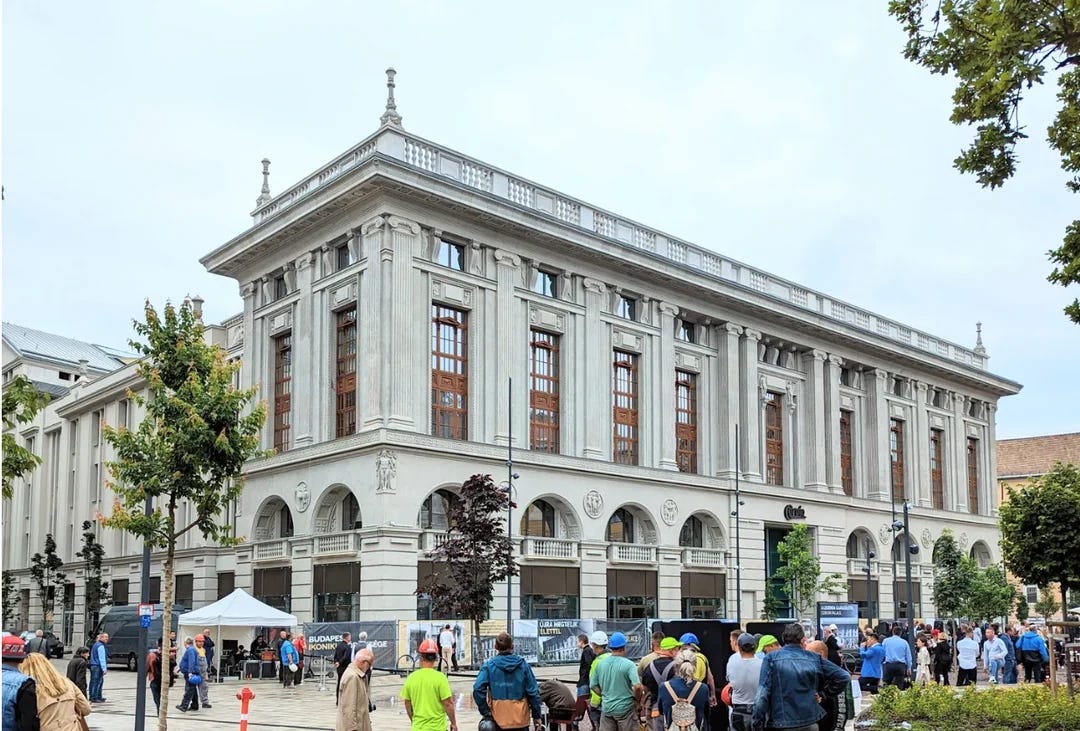
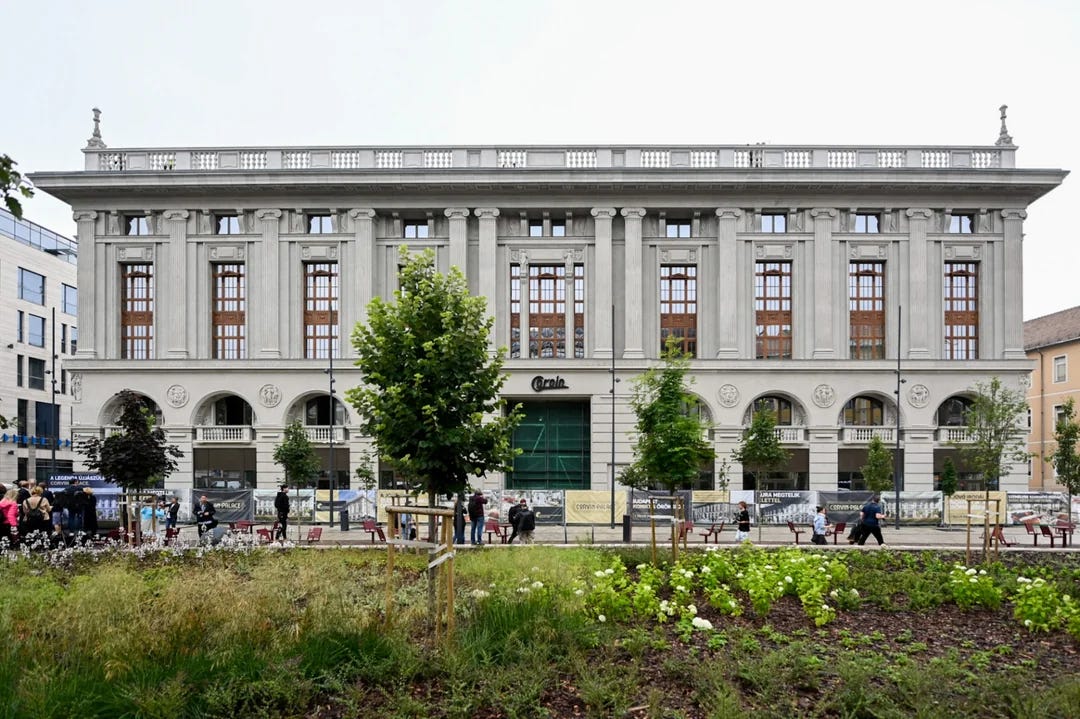
Historic Reference
Aria Hotel Budapest
Before (couldn’t find older images - originally designed by Zsolt Szécsi)
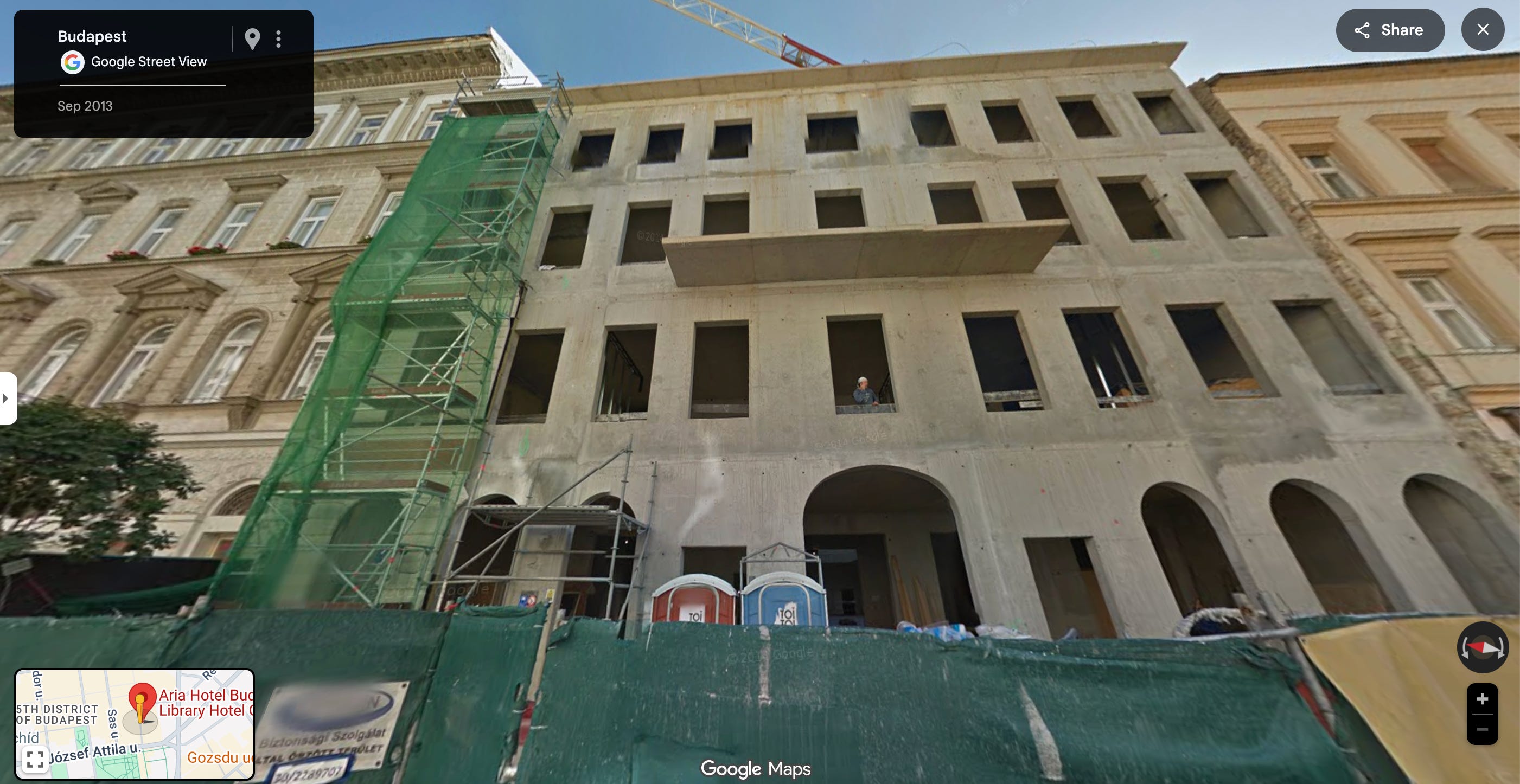
After
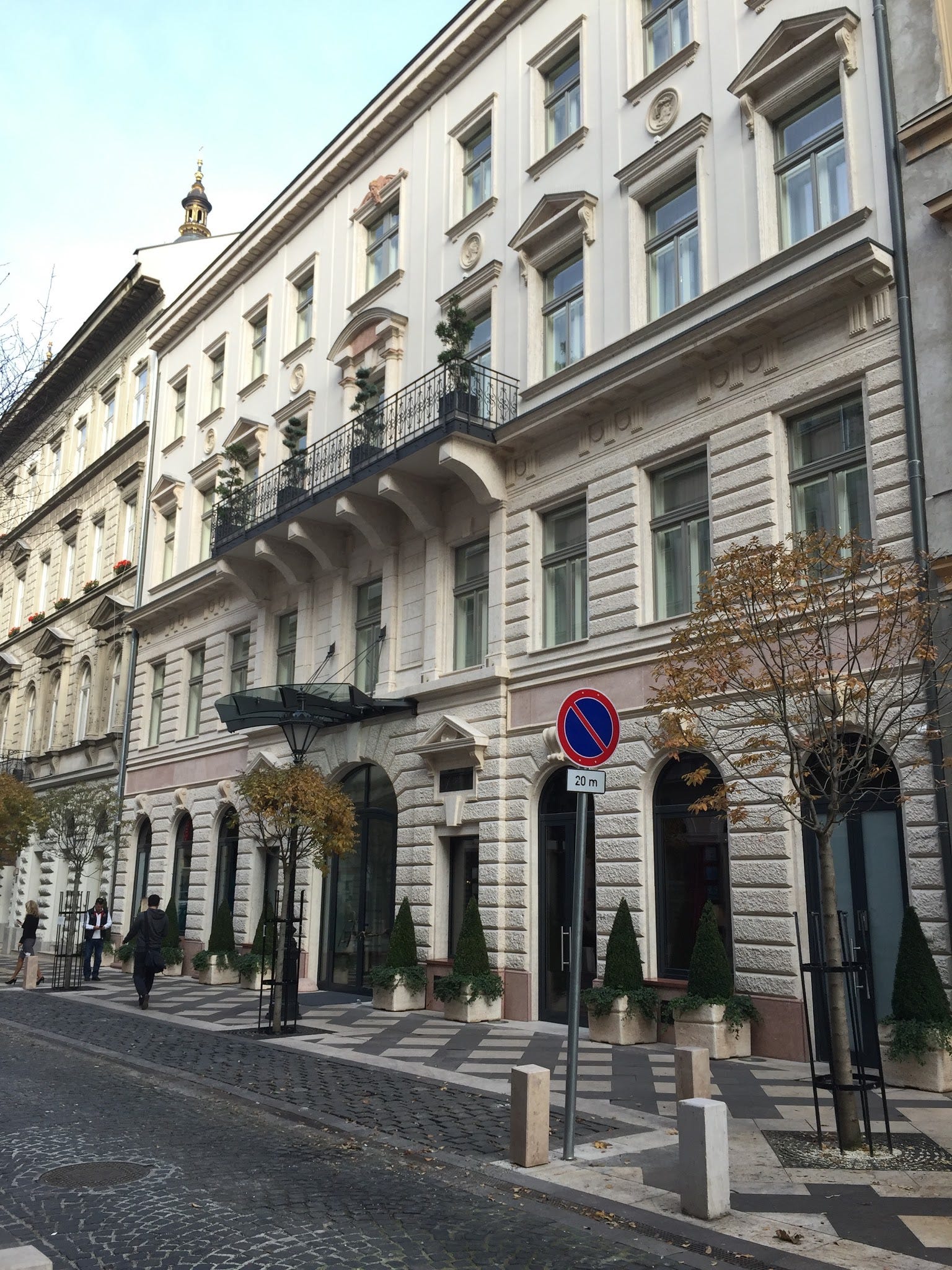
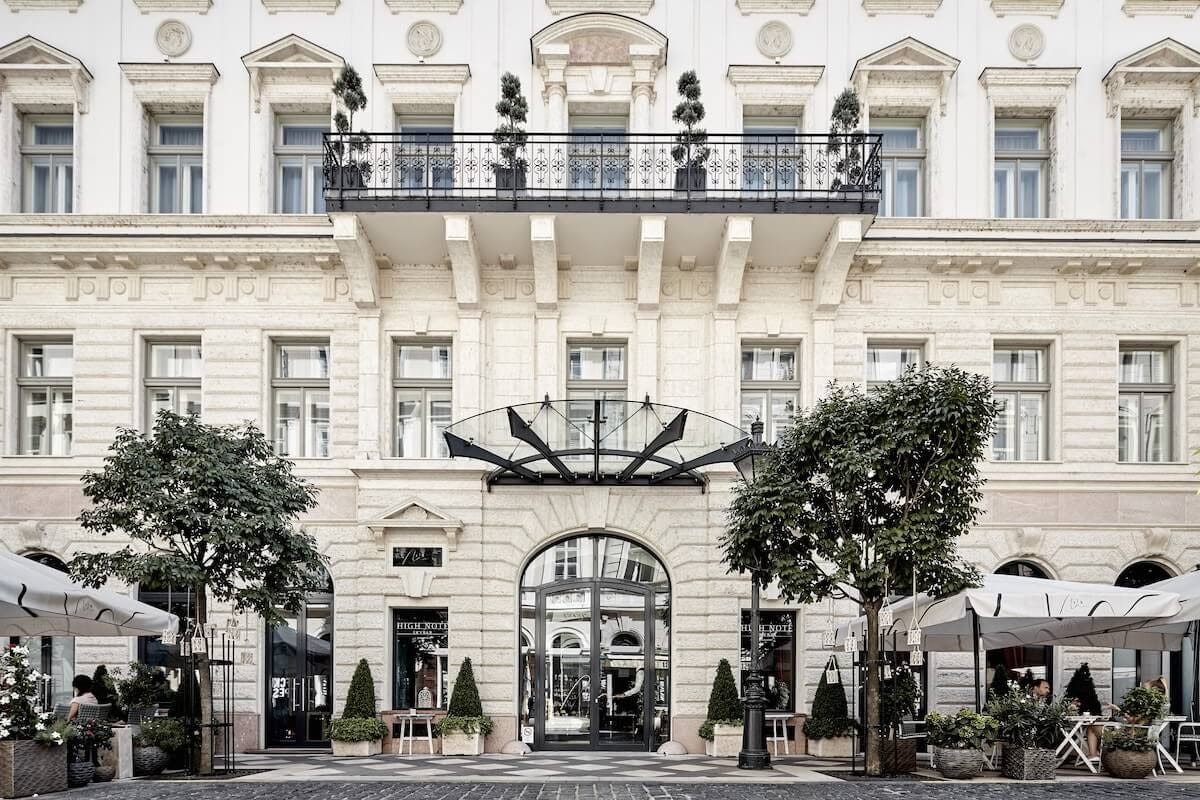
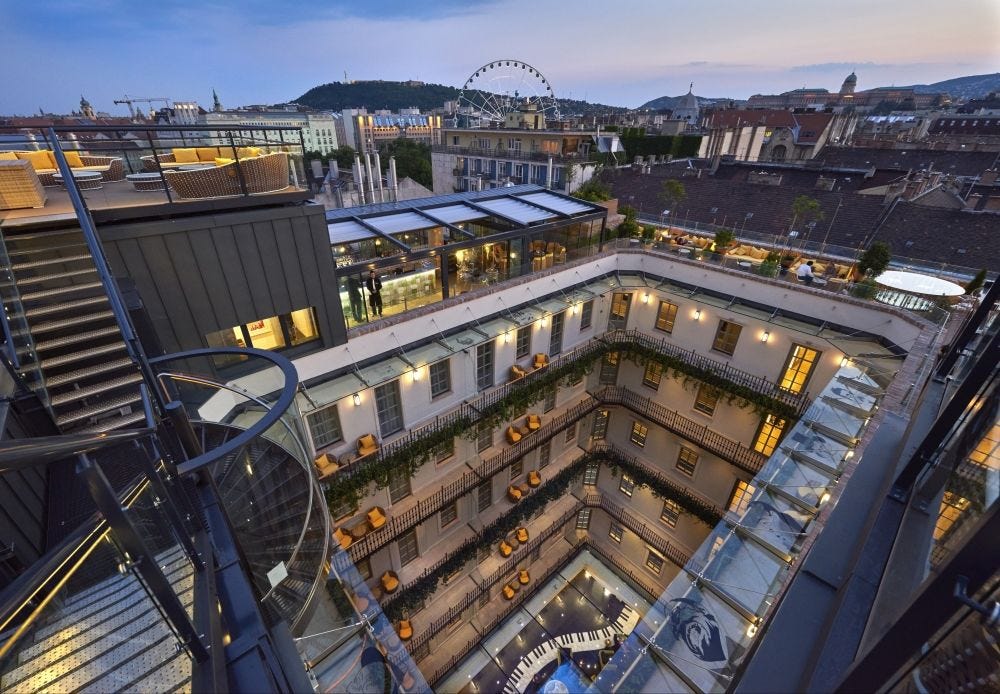
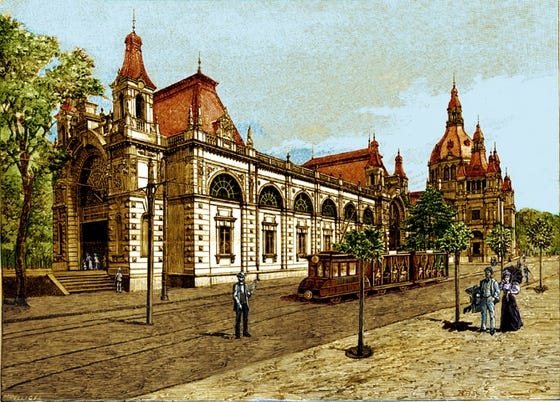
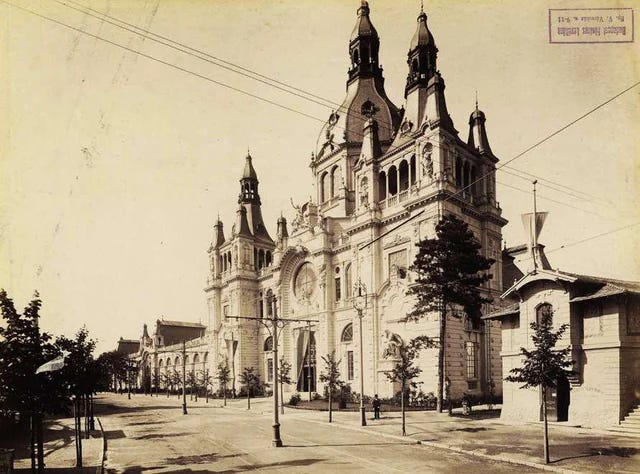
Transport Museum Hungary / House of Hungarian Innovation (Ongoing)
Before (Mostly Destroyed)
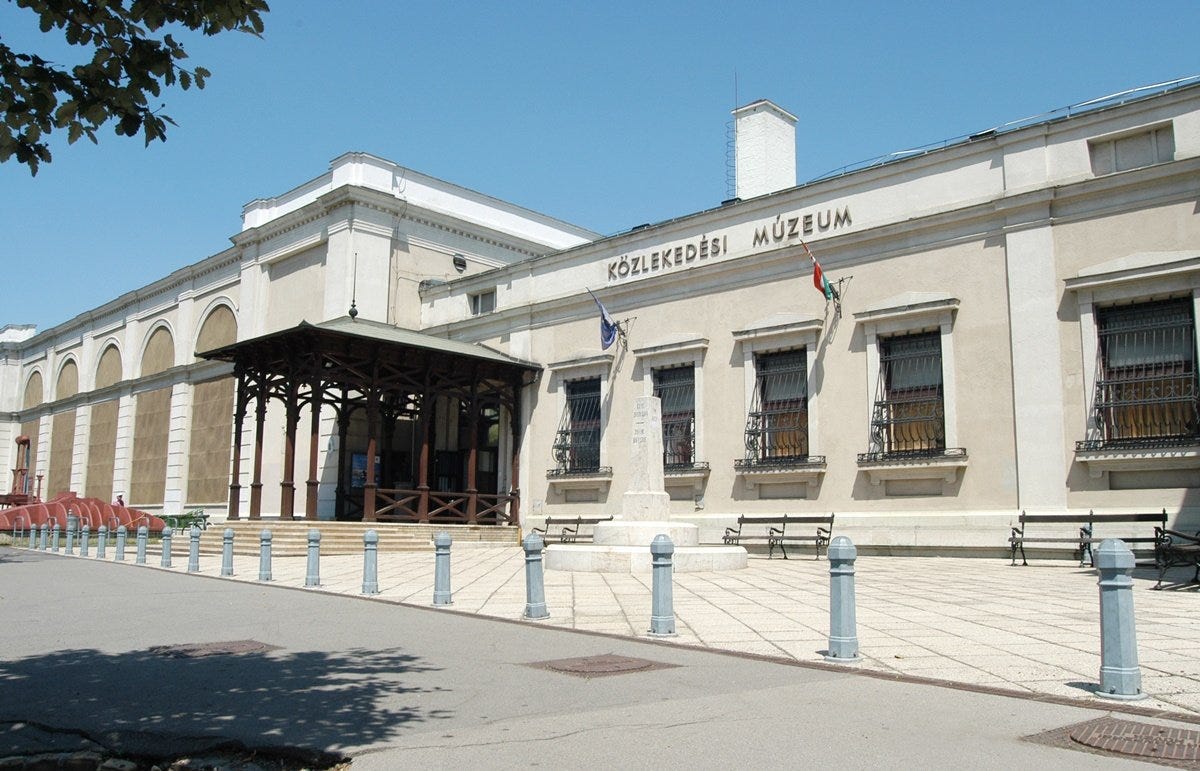
Proposed / After
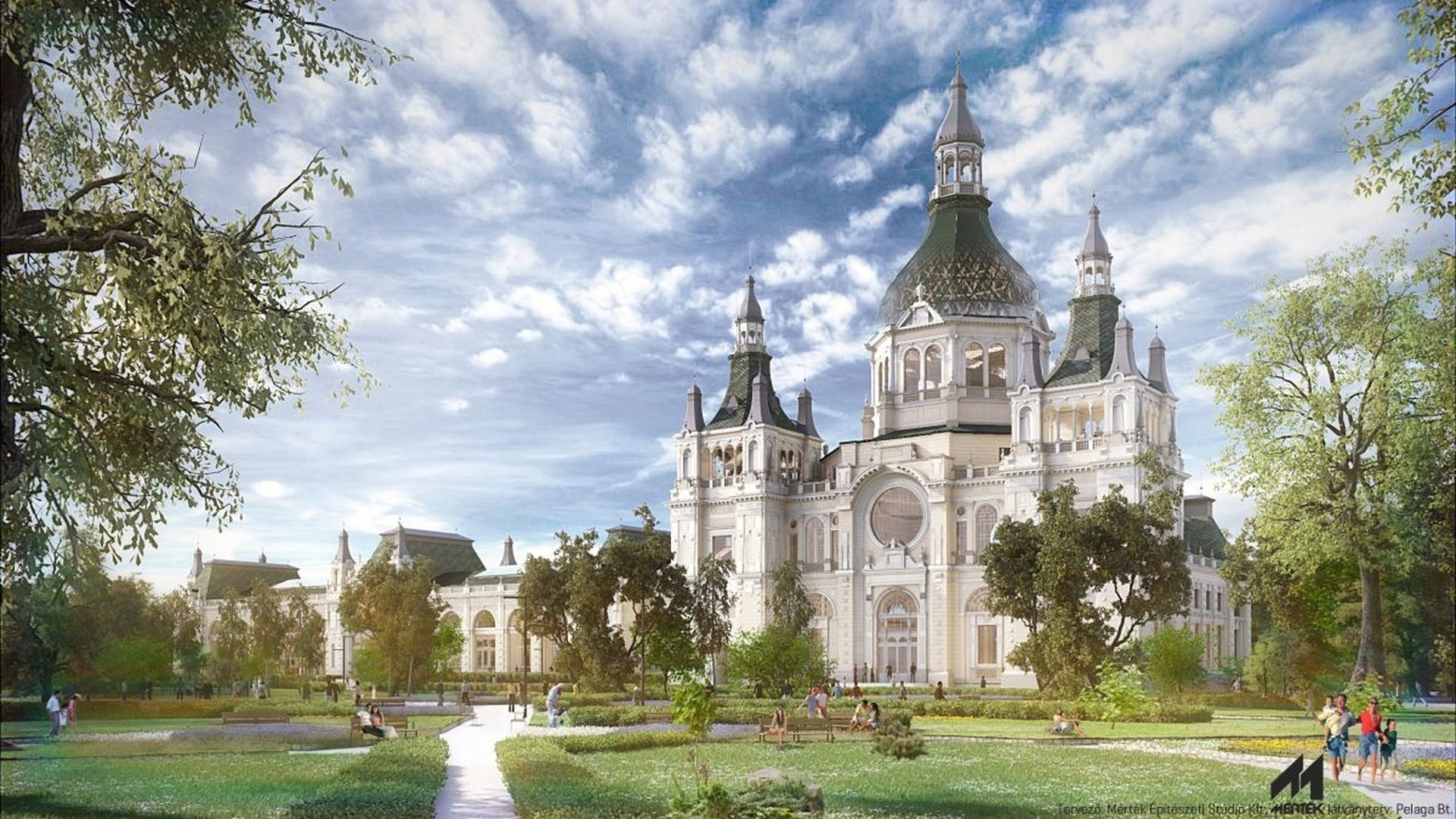
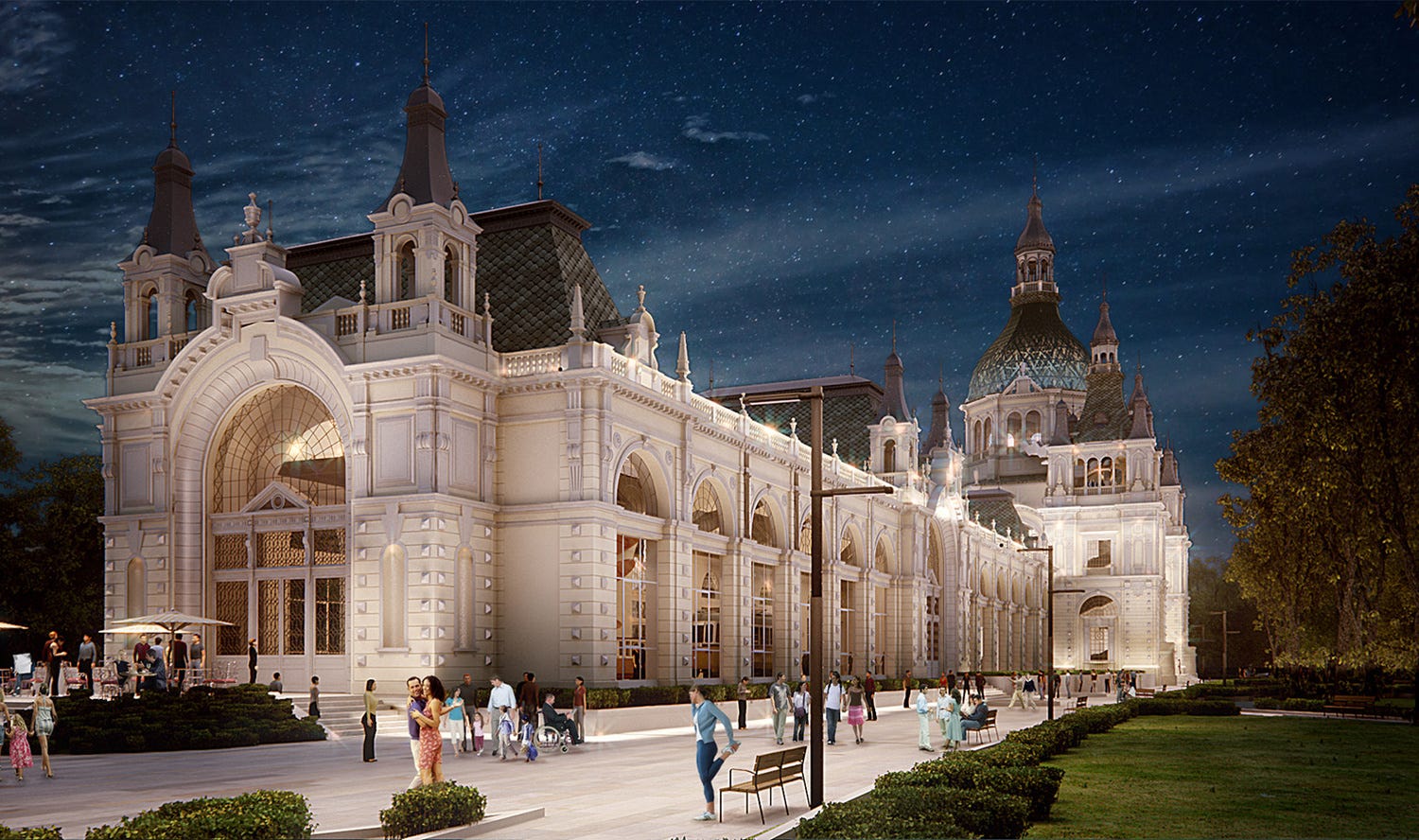
Historic Reference (Completed 1896 - 1899)
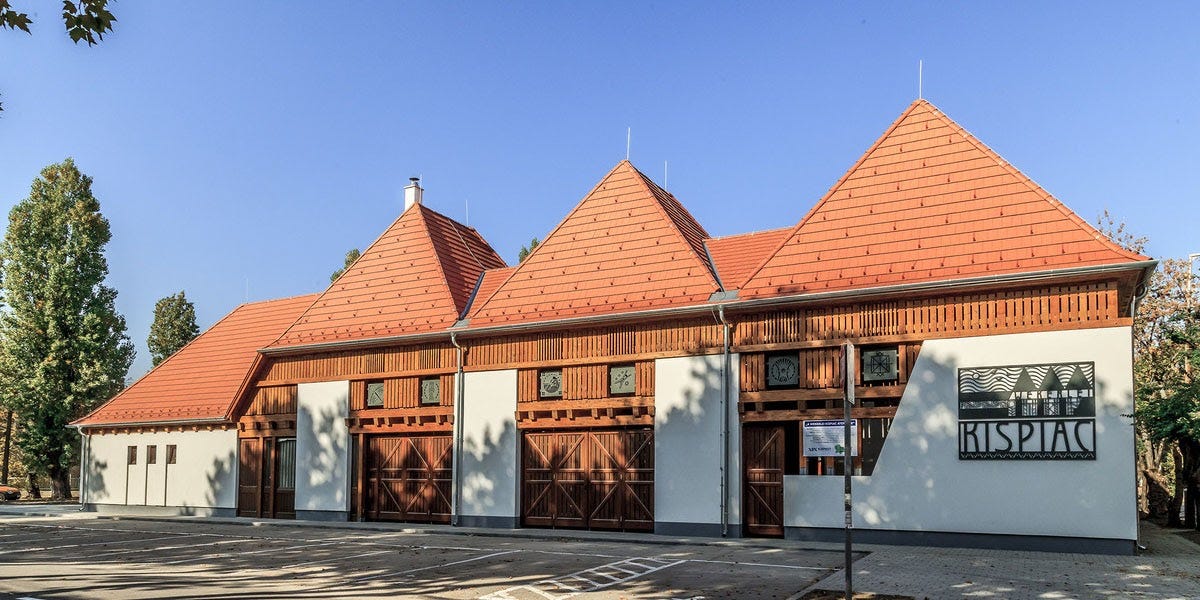
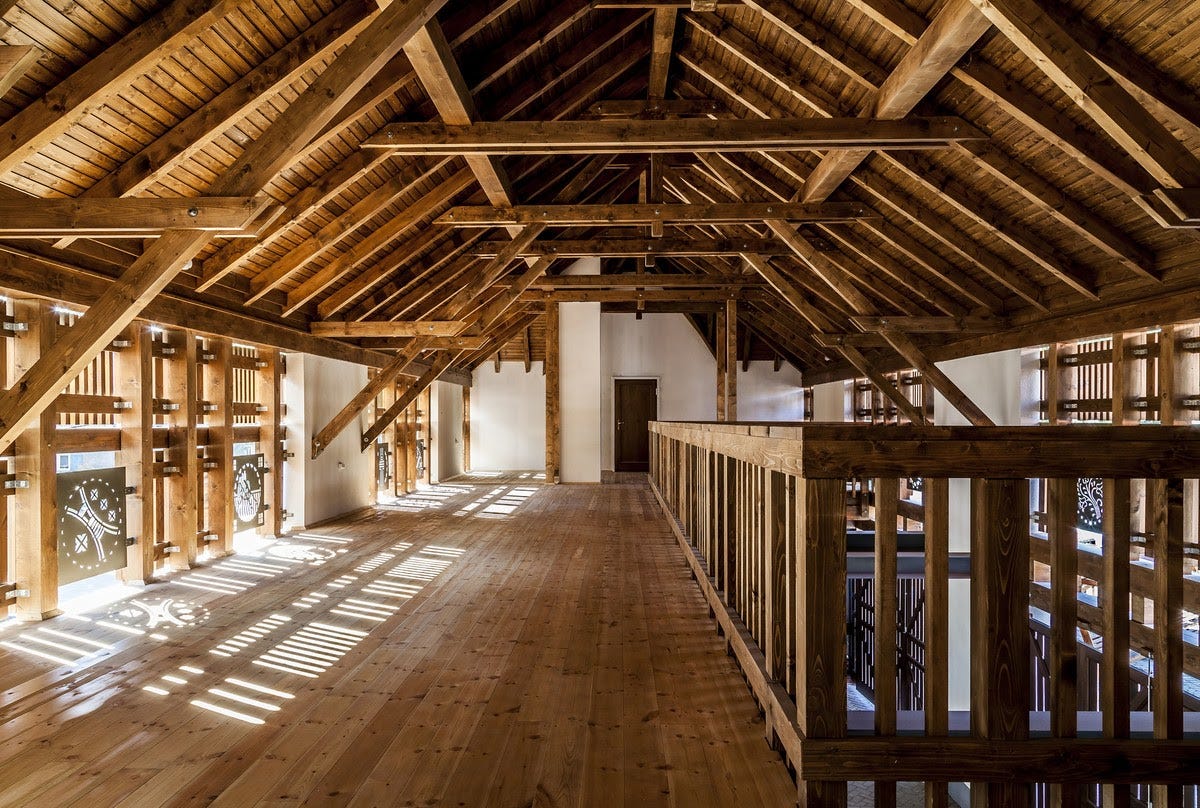
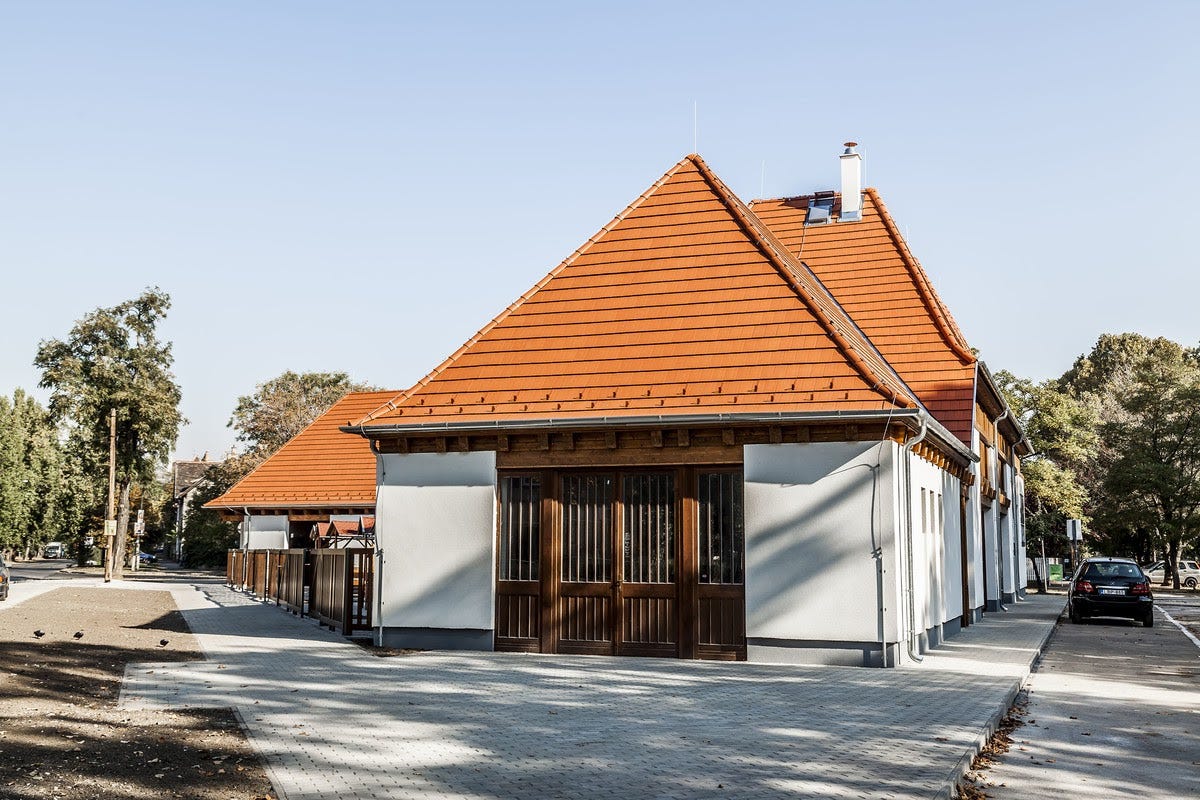
New Market Hall
Location: Wekerletelep, Budapest, Hungary
Year Completed: 2019
Architect: András Füzes and Péter Tóth DLA of Mérmû Stúdió
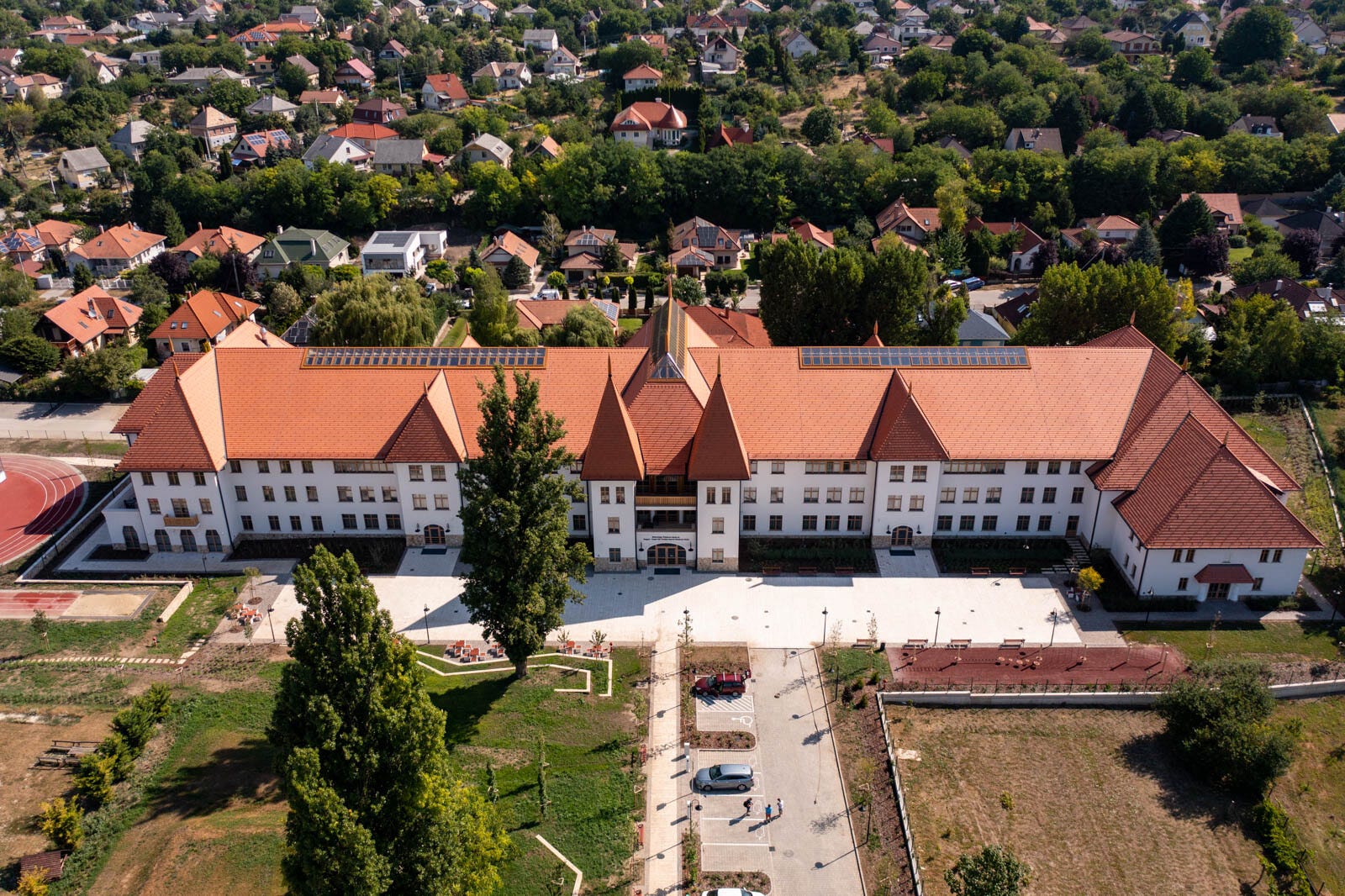
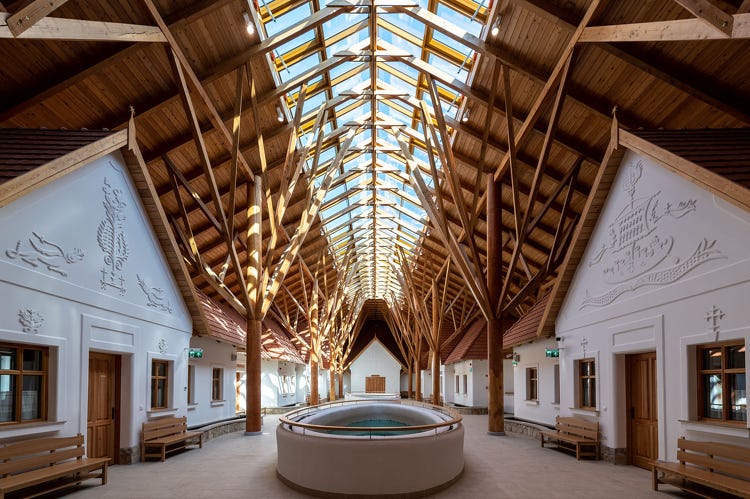
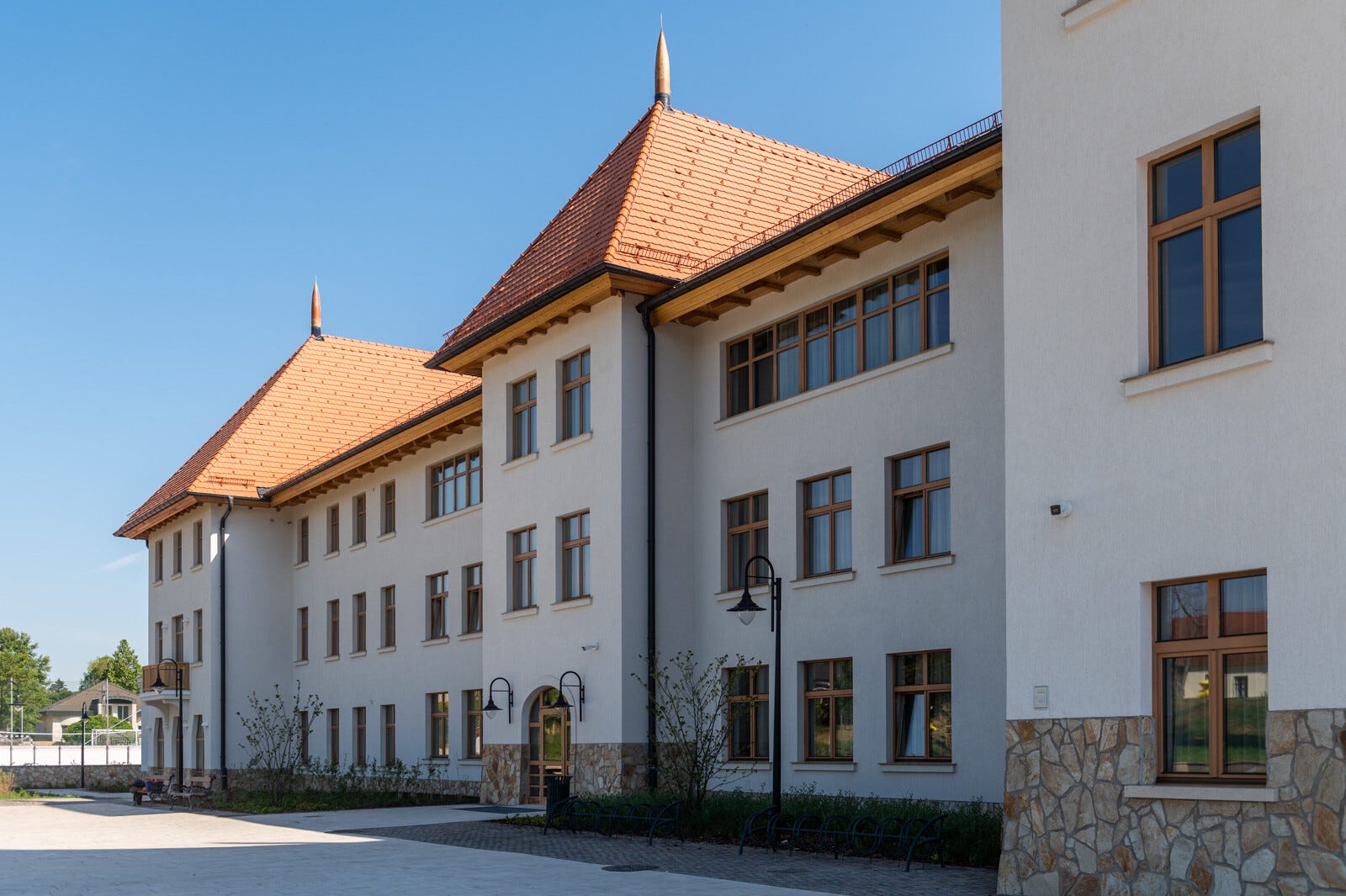
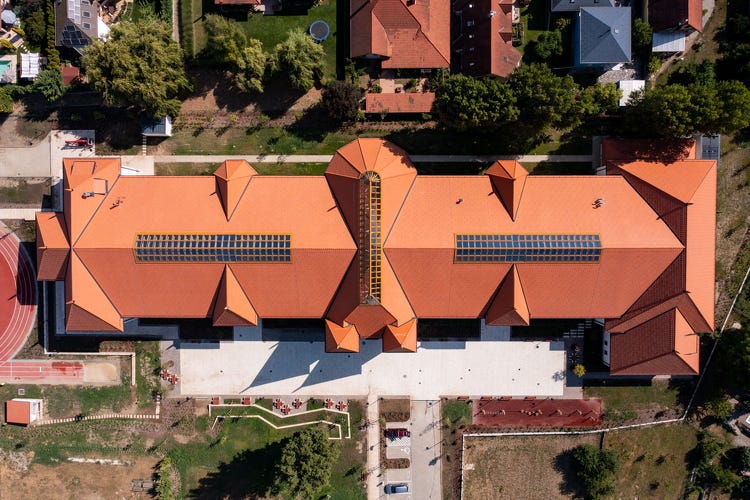
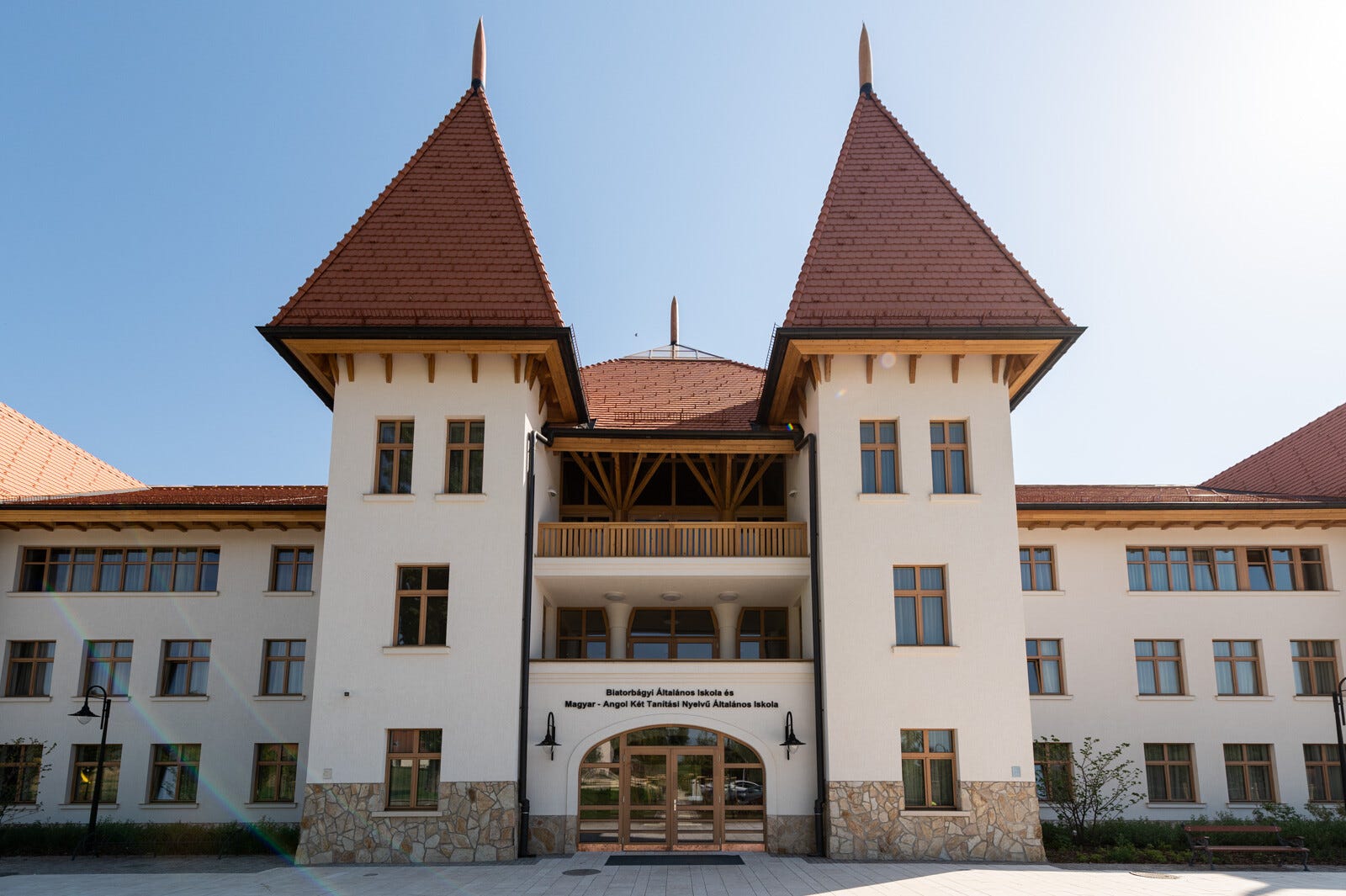
Biatorbágyi Általános Iskola és Magyar-Angol Két Tanítási Nyelvű Általános Iskola
Location: Biatorbágy, Budapest, Hungary
Year Completed: 2022
Architect: Rácz Tamást
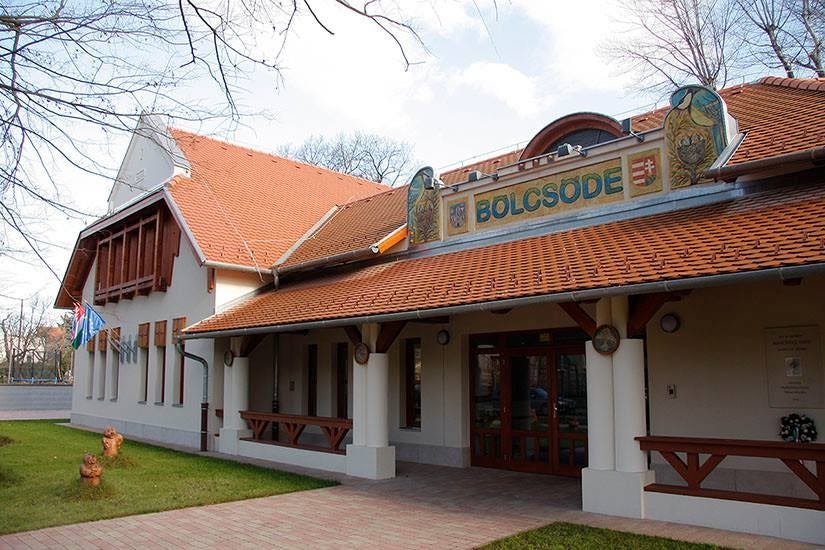
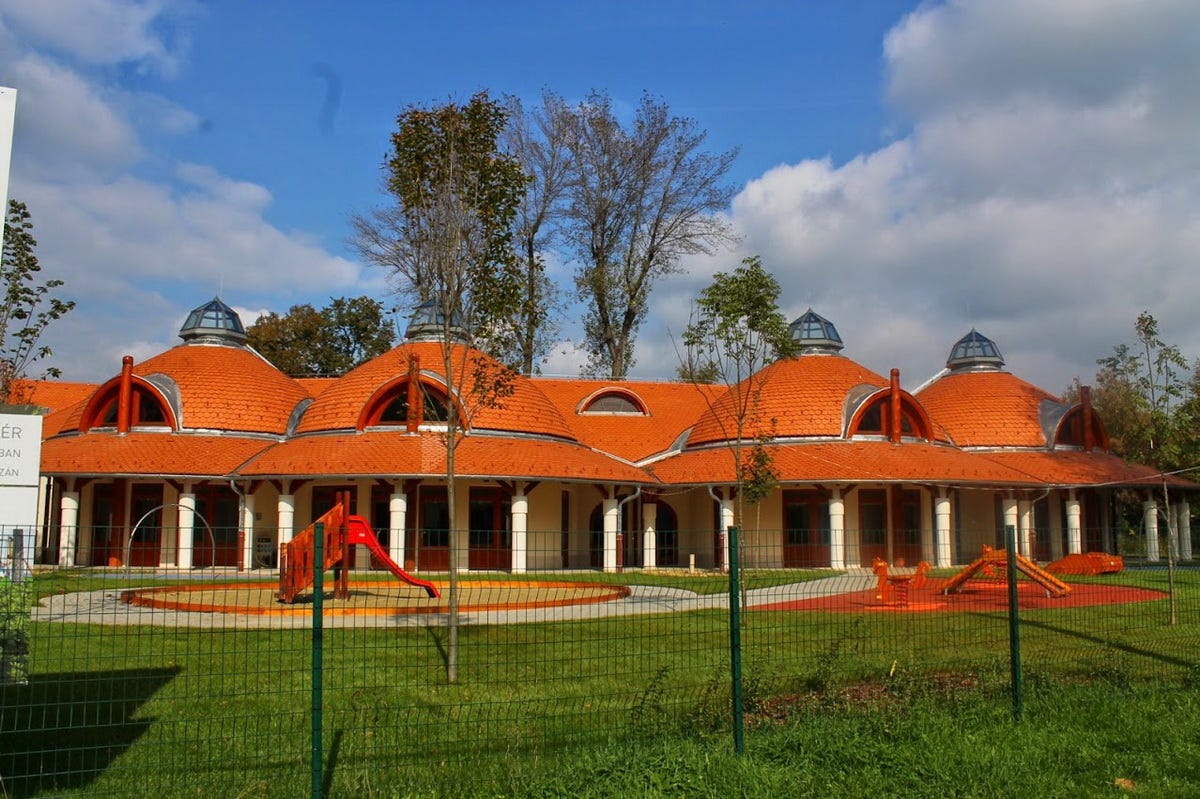
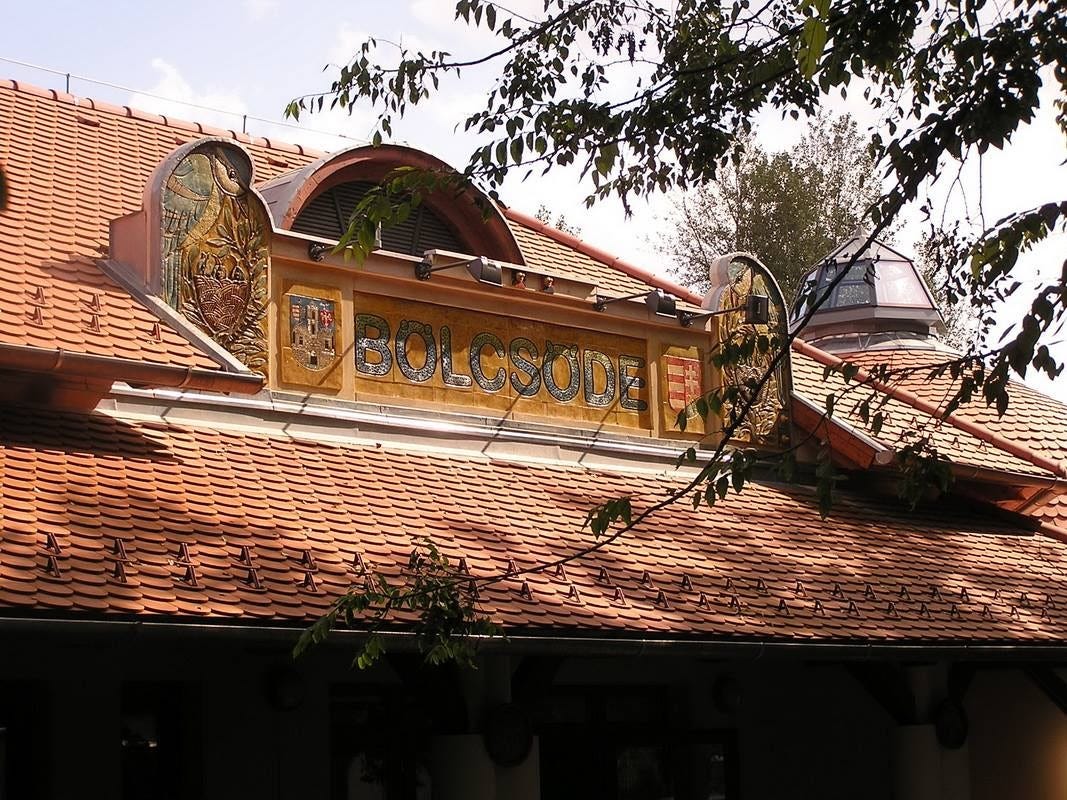
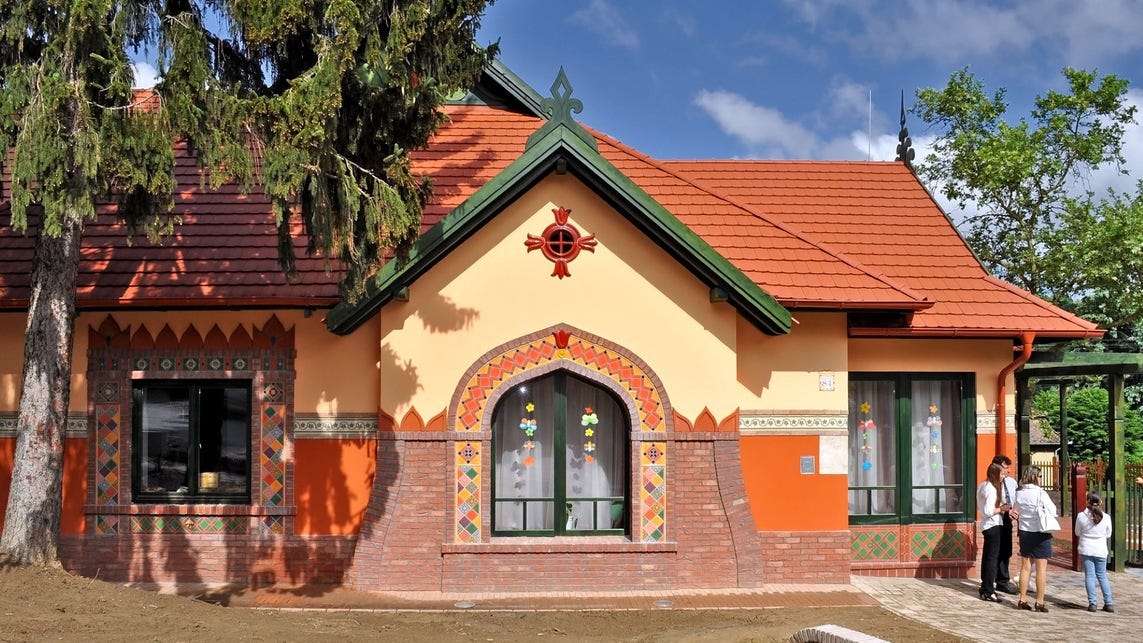
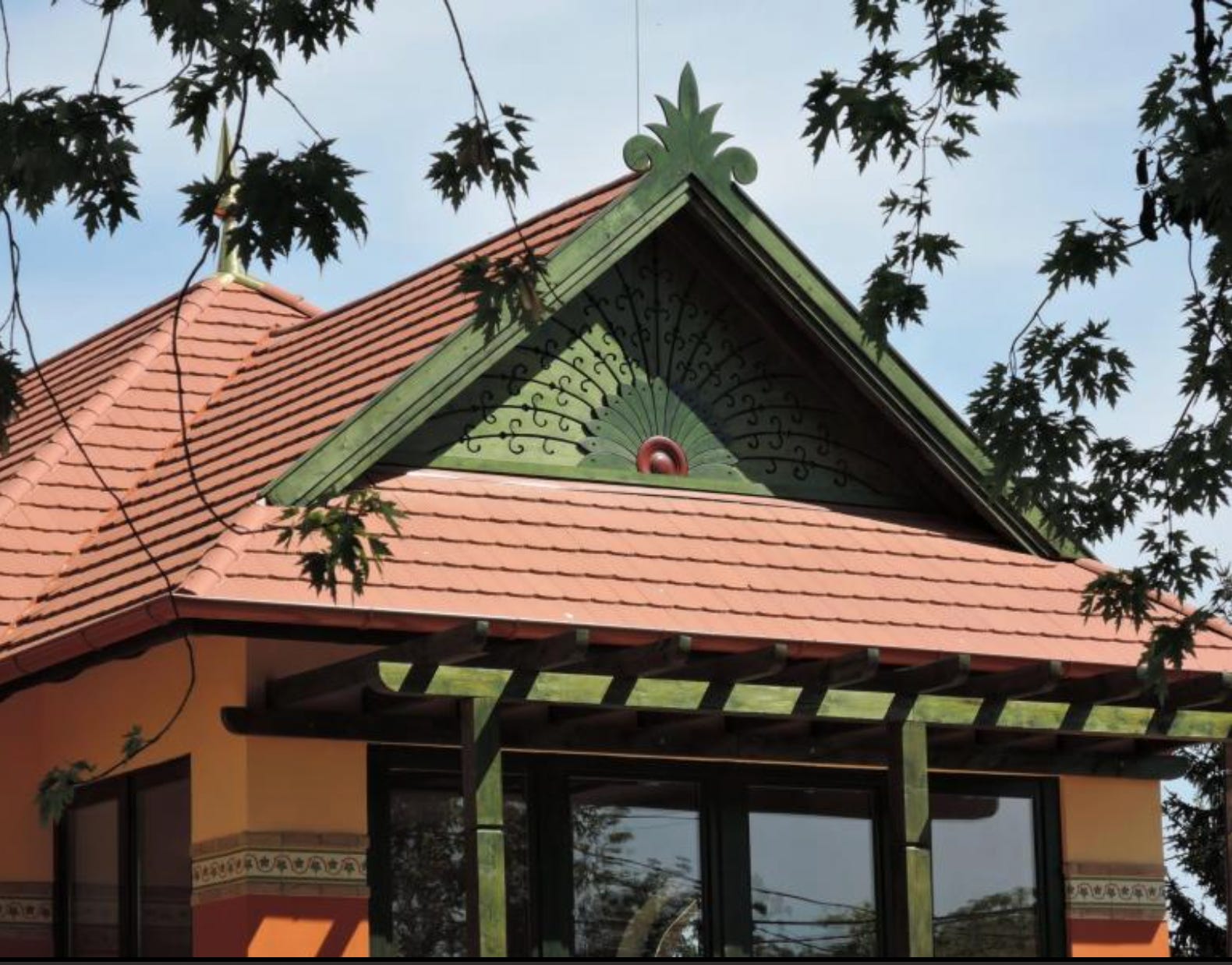
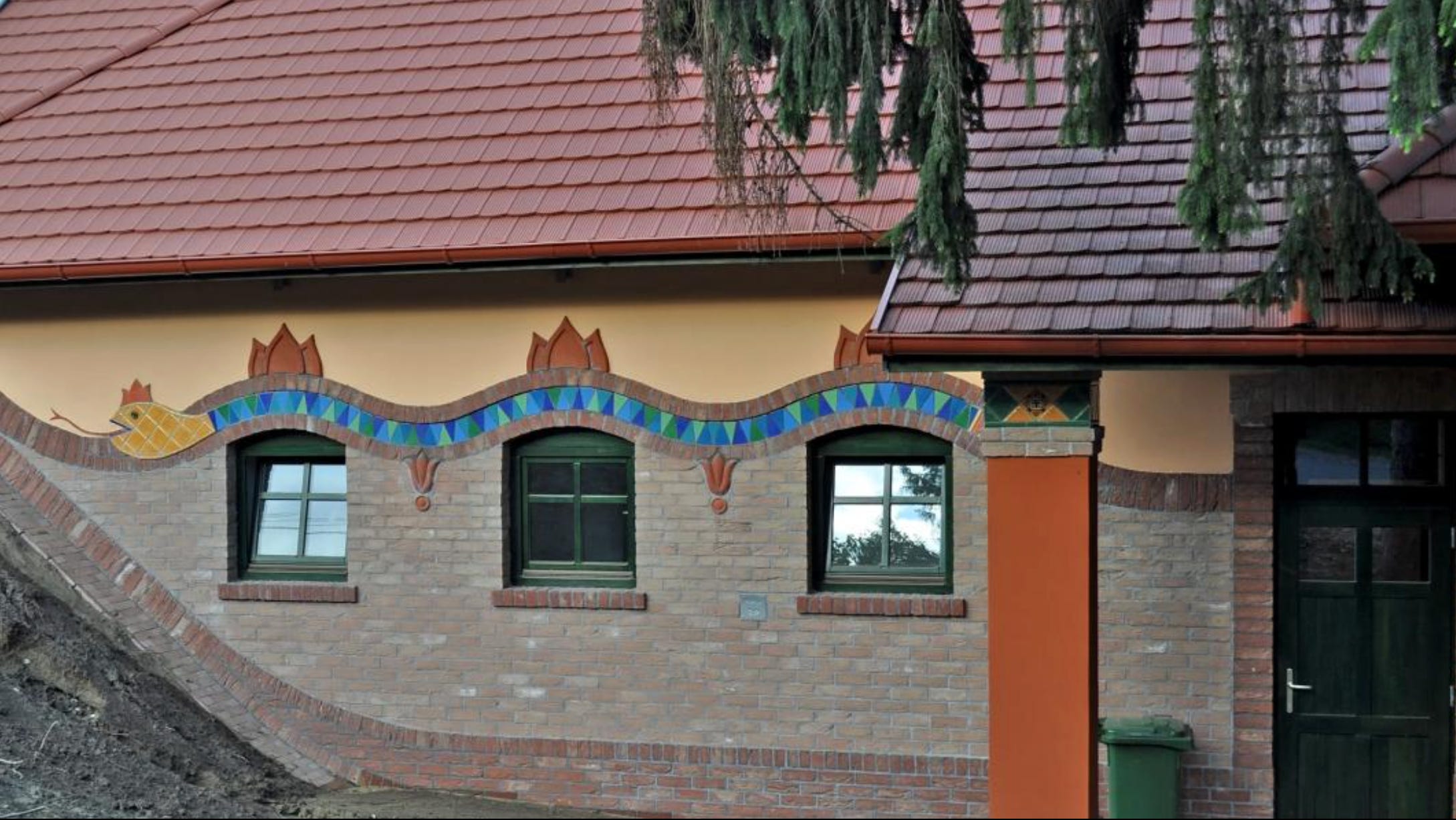
Csillaghegyi Makovecz Nursery School
Location: Budapest, Hungary
Year Completed: 2014
Architect: Imre Makovecz , Agnes Kravár , Diana Mike
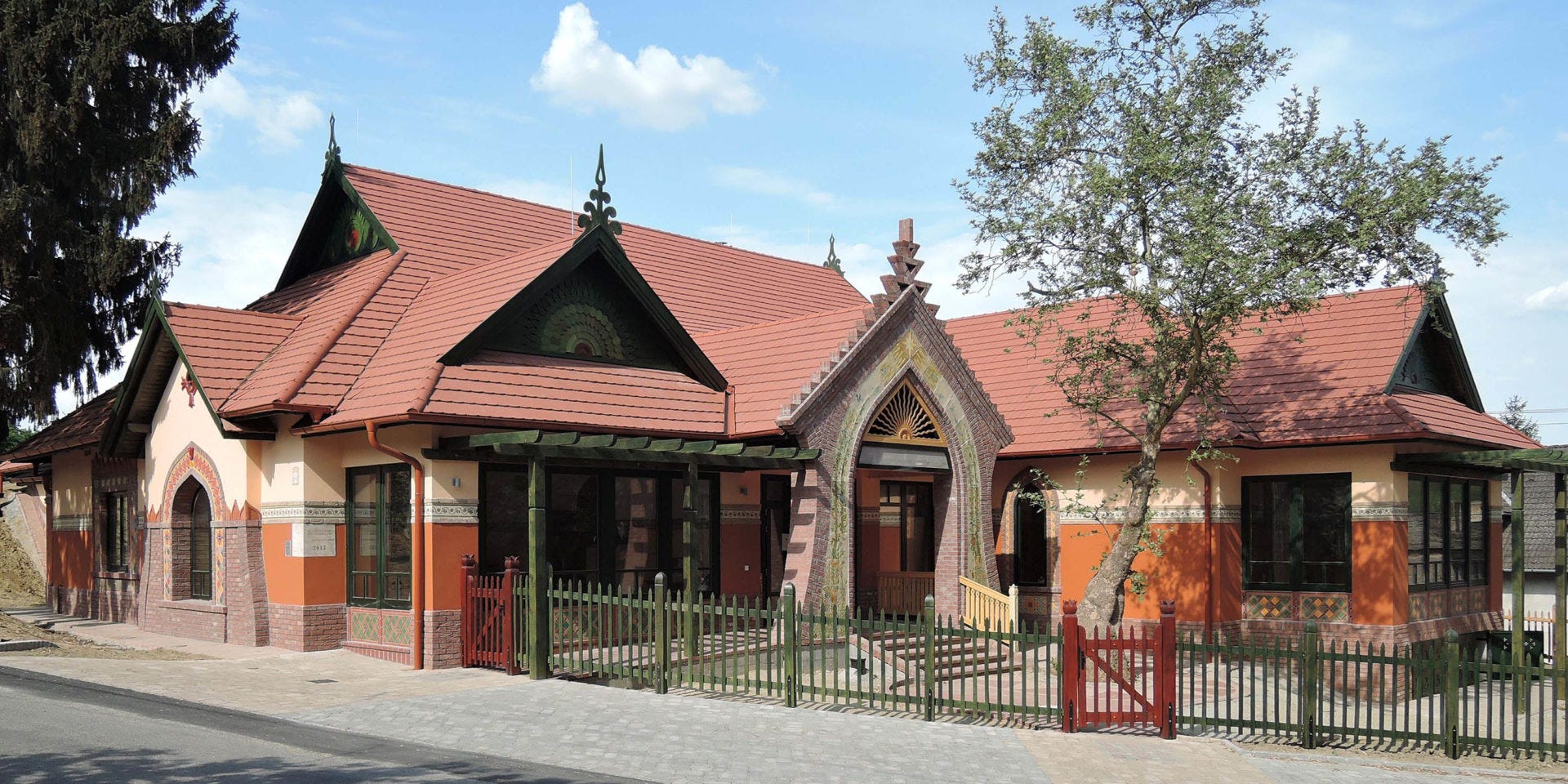
Kindergarten, Bárdudvarnok (not Budapest, still beautiful!)
Location: Bárdudvarnok, Hungary
Year Completed: 2015
Architect: Ákos Sziklai
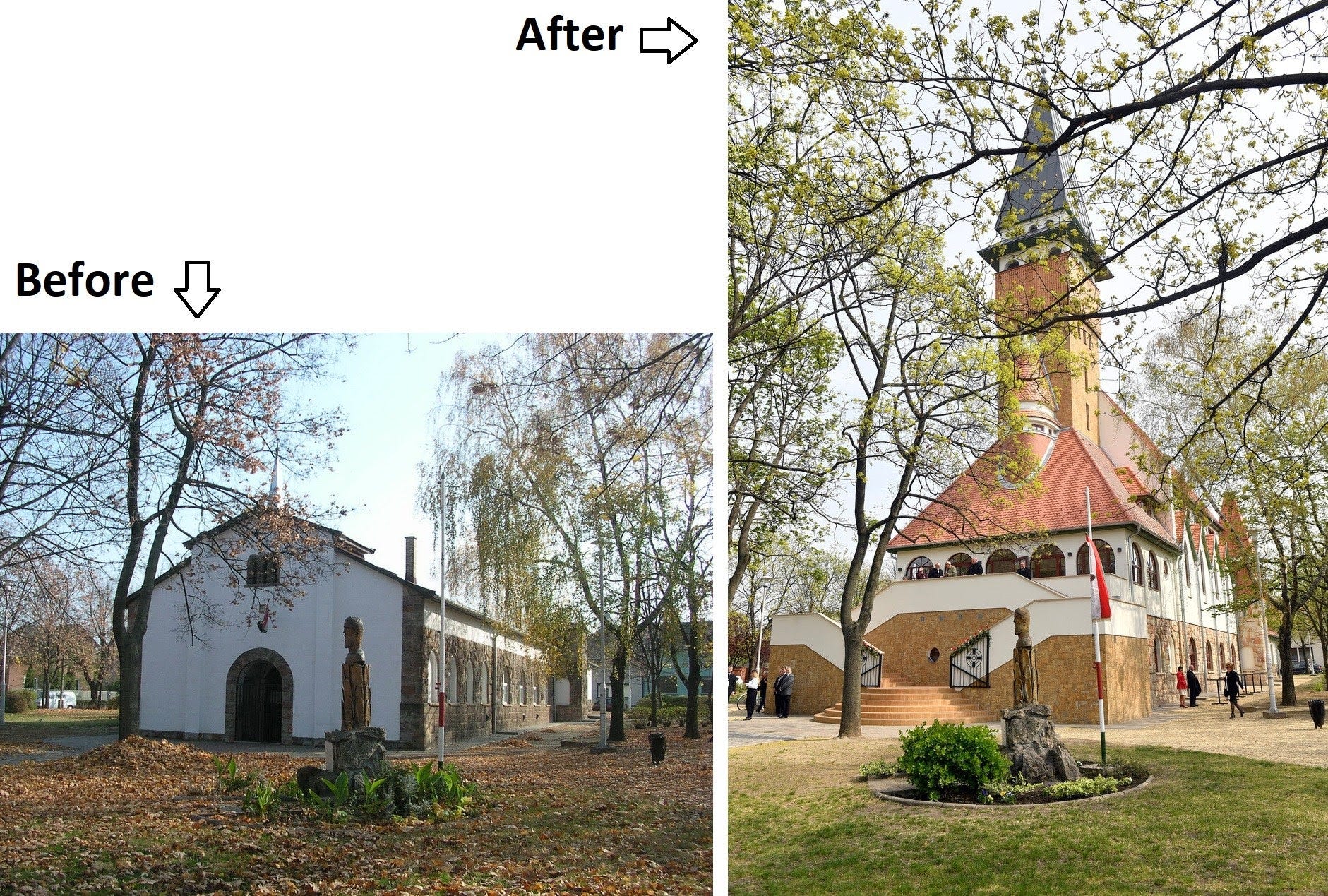
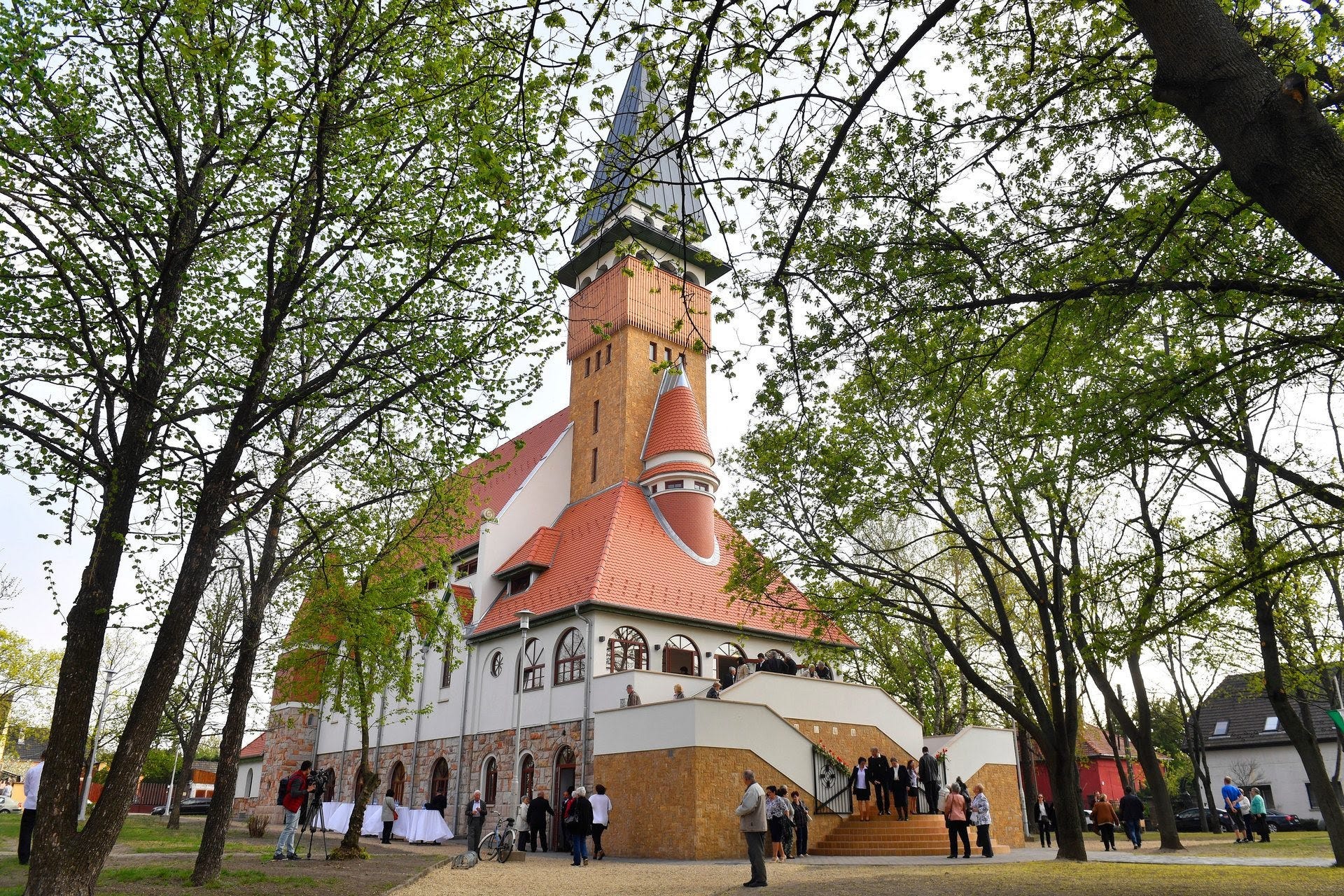
Reformed Church of Pesterzsébet
Location: Budapest, Hungary
Year Completed: 2019
Architect: Original plans (1930s) by Szeghalmy Bálint, completed 2017-2019 by Nagy Béla
Honorable Mentions
Tower of the Hungarian National Archives
New Village Library and Cultural Center
Community School on the Danube
Event Center and Sports Hall, Rácalmás
I hope you enjoyed this piece! If you did, please consider subscribing, or sending it over to a friend. It would mean a great deal to me! And join in on the conversation below with your favorite recent projects!
Outstanding documentation of the Hauszmann Program. The Ministry of Finance reconstruction is staggering,way more impressive than the Rados building it replaced even though that was handsome too. I visited Dresden's Frauenkirche reconstruction a few years ago and this Budapest effort feels like it operates at a completley different scale of ambition. The before/after comparisons really hammer home what gets lost when we settle for mediocre infill. This should be required reading for every planning commission thattreats heritage as nostalgia instead of infrastructure.
Cory, thanks for sharing "A Return to Beauty"